
Did you know that there are over 3,000,000 shipwrecks scattered across the world’s ocean floors? Most will never be found. But some of the most extraordinary ones are sitting in remarkably accessible places, slowly being reclaimed by coral and fish, waiting for someone to find them.
- North America
- 1. Peter Iredale (Oregon, USA)
- 2. USS Oriskany (Florida, USA)
- 3. Sweepstakes (Ontario, Canada)
- 4. City of Grand Rapids (Ontario, Canada)
- Caribbean Region
- 5. Antilla Wreck (Aruba)
- 6. Hilma Hooker (Bonaire)
- 7. Wreck of the Rhone (British Virgin Islands)
- Red Sea Corridor
- 8. SS Thistlegorm (Red Sea, Egypt)
- 9. MV Salem (Red Sea, Egypt)
- 10. Giannis D. (Red Sea, Egypt)
- Mediterranean
- 10. MS Zenobia (Cyprus, Mediterranean)
- Tip
- Pacific
- 11. USAT Liberty (Bali, Indonesia)
- 12. Fujikawa Maru (Truk Lagoon, Micronesia)
- 13. Star of Greece (Port Willunga, South Australia)
- 14. USS Saratoga (CV‑3), Bikini Atoll, Marshall Islands
- Northern Waters
- 15. Scapa Flow Wrecks (Scotland)
- Snorkeling vs. Diving Sites
- Shallow water sites (0 – 10 meters)
- Beginner dive sites
- Advanced diving destinations
- The Golden Age of Steamships (1840-1920)
- Timeline of Famous Maritime Disasters
- World War II Naval Heritage
- Safety and Ecology
- The WRECK Protocol
- Artificial Reef Ecosystems
- Planning Your Shipwreck Adventure
- Diving Seasons and Conditions
- Scuba and Snorkeling Equipment Essentials
- Certification and Training Requirements
- Budget Considerations (USD)
- Sample Itineraries
- Read more
The good news? You don’t need to be a technical diver, or even a diver at all, to visit those shipwreck locations. Some you can walk right up to at low tide. Others sit shallow enough to see from a glass-bottom boat, and a handful rank among the best dive sites on the planet.
North America
Obviously, the most famous shipwreck in North America is the RMS Titanic, but as of 2026, it’s not available to the public, especially after the Titan tragedy of June 2023. Yet, there are other shipwrecks in the region that are a lot easier to access.
1. Peter Iredale (Oregon, USA)
The Peter Iredale ran aground on Clatsop Spit in October 1906, caught in dense fog and strong southeast winds. The crew made it to shore on foot. The ship stayed. More than a century later, the skeletal iron frame still juts out of the sand at Fort Stevens State Park, a few miles from Astoria, and it’s completely free to visit.
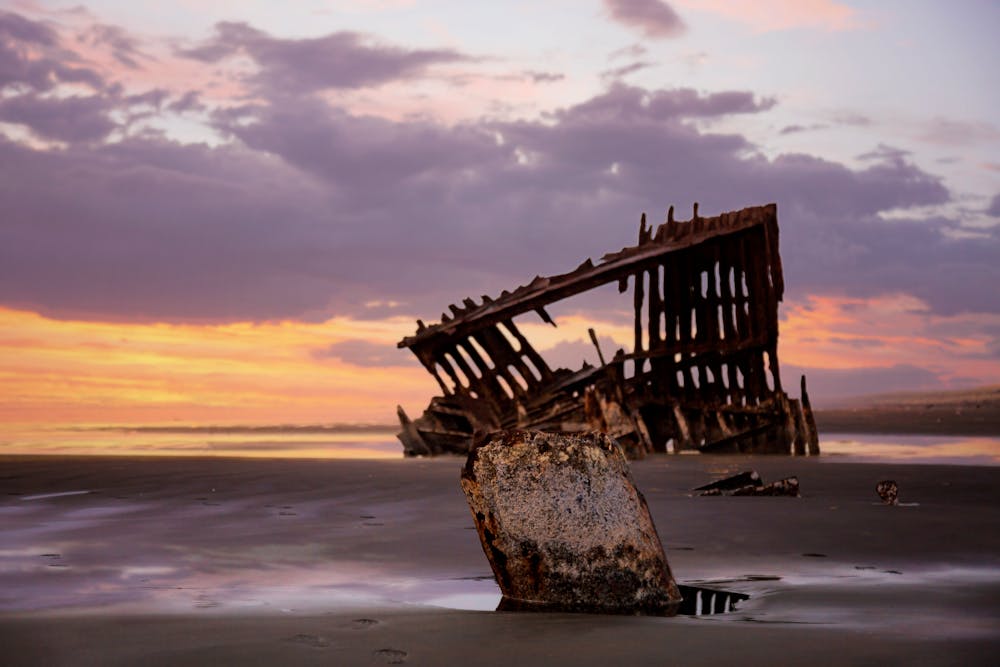
You don’t need any equipment or booking. Low tide is the best time to go, when more of the hull is exposed, and the light hits the rusted iron in a way that makes for spectacular photography.
- Year Sunk: 1906
- Access Type: Walk-up, no equipment needed
- History: British sailing vessel, dramatic Pacific Northwest wreck
- Best Features: Skeletal remains visible from shore, perfect for photography
- Season: Year-round, best at low tide
The wreck has been eroding for decades, so what you see today is significantly less than what visitors saw even ten years ago, but it’s still a striking and atmospheric site.
2. USS Oriskany (Florida, USA)
The Oriskany is a different category entirely. This 911-foot aircraft carrier served in the Korean and Vietnam Wars before being intentionally sunk in May 2006, 22 miles southeast of Pensacola. It’s now the world’s largest artificial reef, and recreational divers can reach the tower structure starting at around 84 feet.
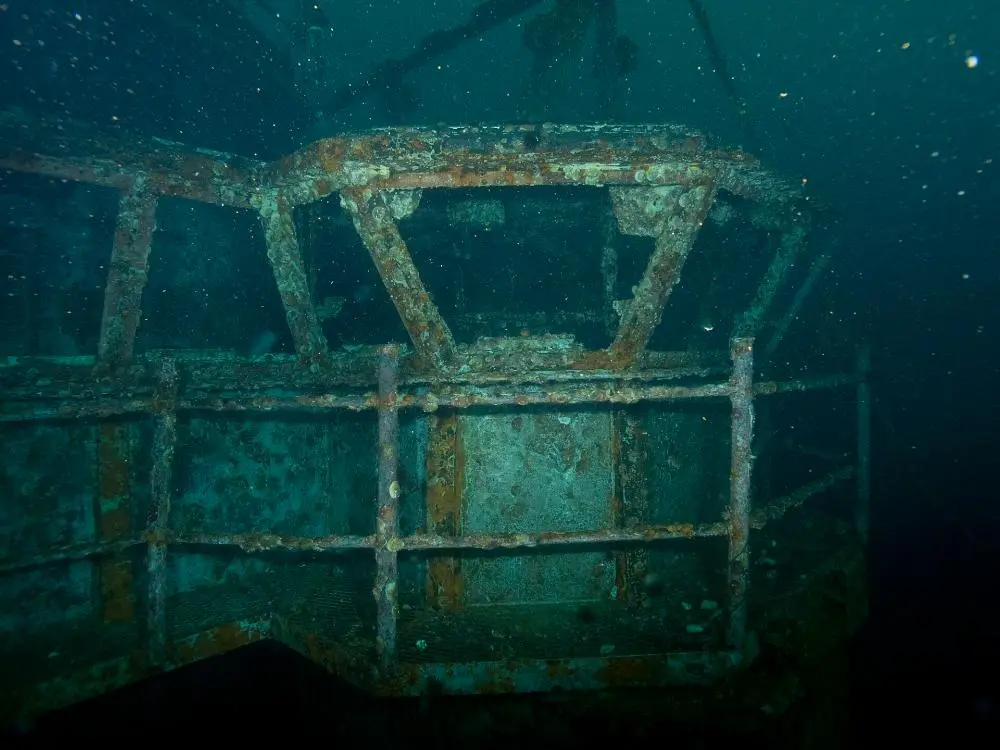
The sheer scale of the wreck is what gets people. The control tower alone is bigger than most wrecks divers encounter in a lifetime. Marine life has colonized the structure aggressively: grouper, amberjack, barracuda, and occasional whale sharks circle the superstructure. Technical divers can push deeper toward the flight deck at 145 feet and the hangar bay beyond.
- Year Sunk: 2006 (Intentionally scuttled)
- Depth: 45-67 meters
- Skill Level: Advanced recreational; technical for lower decks
- Access: Boat charter from Pensacola; scuba required
- History: Decommissioned aircraft carrier, world’s largest artificial reef
- Best Features: Massive flight decks and hangar bays teeming with marine life
- Season: Year-round, best April-October
A minimum of 20 logged dives is required at this site, and open water divers need to go with a guide. The charter community around Pensacola is well set up for this dive, and operators know the wreck intimately.
3. Sweepstakes (Ontario, Canada)
Tobermory sits at the northern tip of Ontario’s Bruce Peninsula, and its Fathom Five National Marine Park holds over 20 documented wrecks in remarkably cold, clear freshwater. The two most visited are the Sweepstakes and the City of Grand Rapids, accessible by snorkel, scuba, or glass-bottom boat.
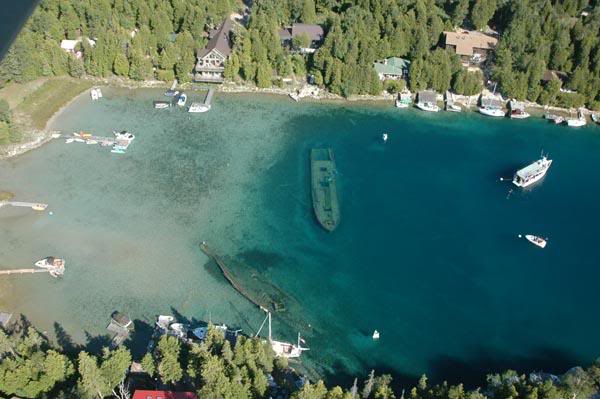
The Sweepstakes is a two-masted wooden schooner that sank in 1885. It rests at just 20 feet in Big Tub Harbour with the hull largely intact, the windlass still visible on the bow, and visibility that lets you see the entire structure from the surface.
- Year Sunk: 1885
- Depth: 6-20 meters
- Access Type: Snorkeling and diving
- Skill Level: Beginner to Intermediate
- History: 19th-century schooner in Georgian Bay
- Best Features: Exceptional freshwater visibility, well-preserved wooden structure
- Season: June-September optimal
4. City of Grand Rapids (Ontario, Canada)
The City of Grand Rapids is a passenger steamer that caught fire in 1907 and was towed out of the harbour to prevent the docks from burning.
- Year Sunk: 1907
- Depth: 6-20 meters
- Skill Level: Beginner to Intermediate
- Access Type: Snorkeling and diving
- History: Passenger and cargo steamer
- Best Features: Pristine Great Lakes preservation, clear waters
- Season: June-September optimal
Both wrecks sit close together, and glass-bottom tour boats make regular runs throughout the summer for visitors who’d rather stay dry.
Caribbean Region
The Caribbean earns its reputation for beginner-friendly wreck diving. Warm temperatures year-round, visibility that regularly hits 30 to 40 meters, and a collection of wrecks spread across compact island clusters make it the easiest region in the world to start exploring underwater history. A few sites here also go deep enough to keep advanced divers fully engaged.
5. Antilla Wreck (Aruba)
The Antilla is the largest shipwreck in the Caribbean, a German cargo freighter stretching nearly 400 feet. When Germany invaded the Netherlands in 1940, Dutch authorities moved to seize the ship docked in Aruba’s port. The German crew scuttled it themselves before that could happen, and it has been lying in the waters off Aruba’s northwest coast ever since.
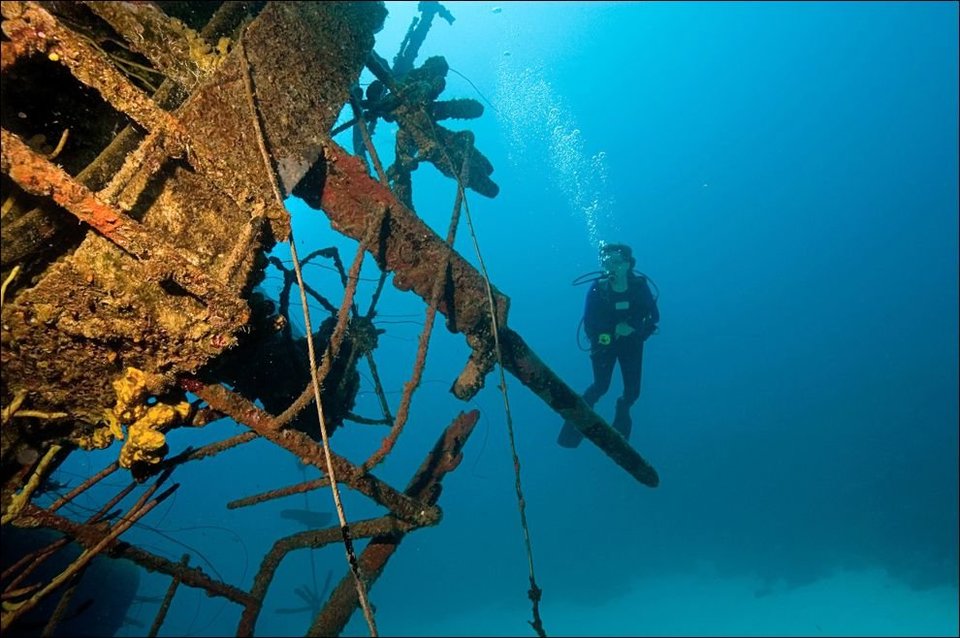
The hull is heavily overgrown with coral and sponges, and the fish life around it is dense. It’s one of the rare Caribbean wrecks that genuinely rewards multiple visits at different depths, because what you see depends entirely on how deep you go.
- Year Sunk: 1940
- Depth: 18-60 meters
- Skill Level: Beginner to Advanced
- Access Type: Snorkeling and diving
- History: German cargo ship scuttled during WWII
- Best Features: Largest shipwreck in the Caribbean, crystal-clear waters
- Season: Year-round, avoid hurricane season
Snorkeling the Antilla: The upper deck and portions of the superstructure sit at 5 to 8 meters, well within snorkeling range. You can see the outline of the hull, coral-encrusted railings, and large schools of fish from the surface. Most Aruba snorkel boat operators include the Antilla on their routes.
Diving the Antilla: Open water divers can access the main deck at 12 to 18 meters and drop into the engine room, cargo holds, and interior cabins. The bow section reaches around 27 meters and is best suited to advanced divers. Popular operators running daily charters to the site include Aruba Watersports Center and Red Sail Sports.
6. Hilma Hooker (Bonaire)
The Hilma Hooker has a story that sounds invented. This 236-foot Dutch freighter was caught smuggling drugs in Bonaire in 1984, impounded in the harbour, and began slowly sinking while legal proceedings dragged on for months. Local divers allegedly sabotaged the pumps to speed up the inevitable. On September 12, 1984, it rolled onto its starboard side and slipped beneath the surface next to a coral reef that was essentially pre-selected as the ideal resting place.
- Year Sunk: 1984
- Depth: 18-42 meters
- Access Type: Scuba diving
- Skill Level: Open water and above
- History: Cargo ship with mysterious sinking circumstances
- Best Features: Intact structure, exceptional marine life photography
- Season: Year-round, best visibility December-April
It’s now one of Bonaire’s most popular dive sites. The wreck sits at depths of 18 to 42 meters, accessible from shore, and the intact hull provides excellent photo opportunities. Bonaire’s legendary shore diving infrastructure makes it easy to plan the dive at your own pace without relying on boat charters.
7. Wreck of the Rhone (British Virgin Islands)
The RMS Rhone was a Royal Mail Steam Packet Company vessel destroyed by a hurricane in October 1867. It broke in two as it was driven onto the rocks off Salt Island, and the two sections now lie at very different depths.
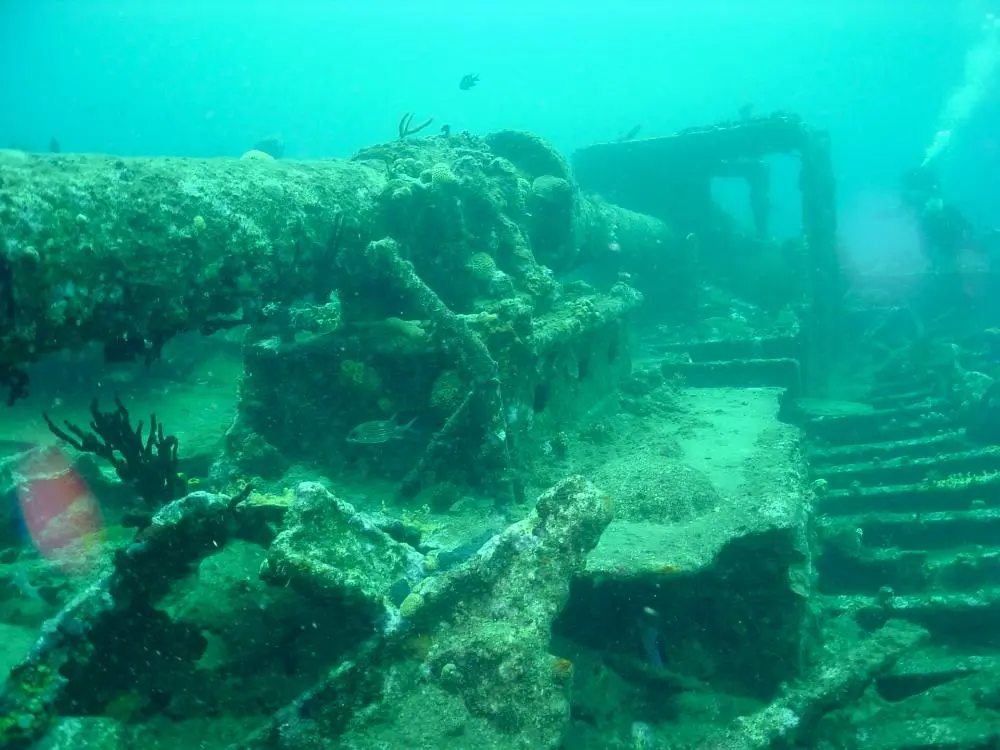
That’s what makes this site unusual: snorkelers and scuba divers can explore the same wreck at the same time.
The stern sits at 6 to 9 meters, the bow at around 24 meters. Sea turtles, spotted eagle rays, moray eels, and large schools of fish move through the structure regularly.
- Year Sunk: 1867
- Depth: 6-24 meters
- Access Type: Snorkeling and diving
- Skill Level: All levels
- History: Royal Mail Steamer destroyed by hurricane
- Best Features: Featured in “The Deep,” multiple depth options
- Season: November-April optimal
One of the most famous wreck sites in the Caribbean, the Rhone gained a wider audience after featuring in the 1977 film The Deep and was designated a protected marine park in 1980.
The Rhone’s bow section is deep enough for a proper scuba dive, but the stern is shallow enough for confident snorkelers. Few wrecks in the world offer that kind of shared experience for mixed-ability groups.
Red Sea Corridor
The Red Sea consistently ranks among the world’s top wreck diving destinations, and the reason isn’t a mystery. Visibility regularly hits 30 to 50 meters, water temperatures stay warm year-round, and the protected conditions have preserved the wrecks in remarkable detail. If you’re a newer diver looking for your first serious wreck experience, this is the region to start.
8. SS Thistlegorm (Red Sea, Egypt)
The SS Thistlegorm is one of the most famous shipwrecks in the world, and few sites anywhere match its combination of history, scale, and visual impact. This British merchant navy ship was carrying war supplies to Allied forces in North Africa when German bombers hit it in October 1941. The explosion detonated the ammunition in the hold and ripped the ship open, scattering its cargo across the seabed.
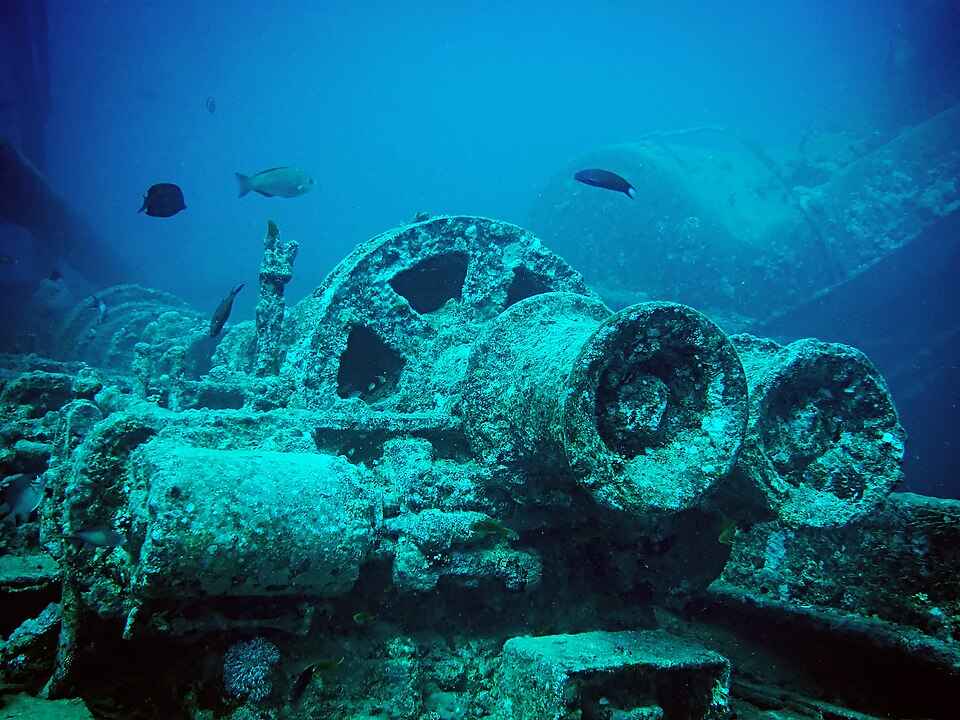
What’s left is extraordinary. Divers swim past stacked motorcycles, military trucks, Bedford vehicles, Lee Enfield rifles, and locomotive parts, all in a state of eerie preservation.
- Year Sunk: 1941
- Depth: 16-32 meters
- Access Type: Scuba diving
- History: British merchant vessel carrying WWII supplies
- Skill Level: Intermediate to Advanced
- Best Features: Well-preserved cargo, including motorcycles, trucks, and aircraft parts
- Season: October-April for best conditions
The wreck sits at 16 to 32 meters and is accessible on day trips from Sharm el-Sheikh, though liveaboard trips give you more time on the site and access to the deeper sections.
9. MV Salem (Red Sea, Egypt)
Both wrecks sit at Abu Nuhas reef, a notorious ship trap just south of the Thistlegorm, and they offer very different experiences in a single trip.
- Year Sunk: 1993
- Access Type: Scuba diving
- Depth: 12-35 meters
- Skill Level: Beginner to Intermediate
- History: Modern cargo ship wreck
- Best Features: Intact structure, minimal marine growth, ideal for photography
- Season: October-April optimal
The Giannis D. is a Greek cargo ship that hit the reef in 1983 and broke in half. The MV Salem is a quieter modern cargo ship that sank in 1993, more intact, less dramatic, and excellent for photography.
10. Giannis D. (Red Sea, Egypt)
- Year Sunk: 1983
- Depth: 5-27 meters
- Access Type: Scuba diving
- Skill Level: Intermediate to Advanced
- History: Cargo ship broken in half
- Best Features: Multiple penetration opportunities, cargo holds full of marine life
- Season: Year-round, best October-April
Mediterranean
The Mediterranean holds one wreck that’s in a category of its own. It’s not the oldest, not the deepest, and not the most remote on this list. But divers consistently rank it among the best wreck dives on the planet, and once you’ve seen it, the reasoning becomes obvious.
10. MS Zenobia (Cyprus, Mediterranean)
The Zenobia was a brand-new Swedish roll-on/roll-off ferry on her maiden voyage in June 1980 when a software error caused the computerized ballast system to pump too much water into one side of the ship. The list got progressively worse over several days.
Engineers couldn’t fix it. On June 7, 1980, the ship capsized and sank just off Larnaca harbour, taking 104 articulated lorries with her.
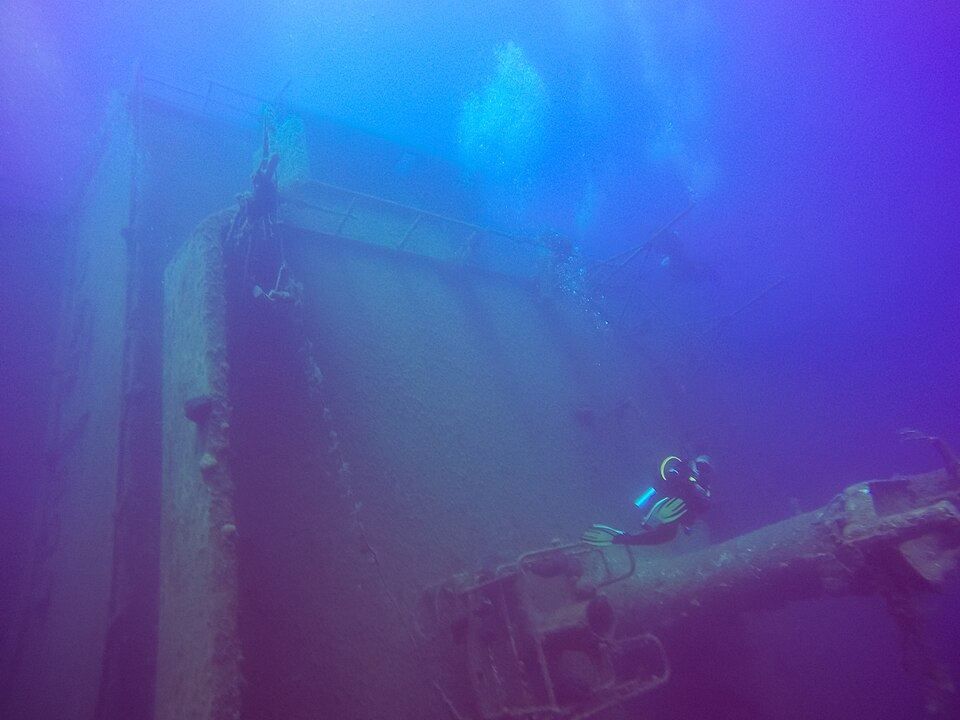
The wreck lies on its port side at depths of 16 to 42 meters, and those trucks are still there: some chained to the deck, some scattered around the hull, some with their cargo visible through open trailer doors. The interior is remarkably intact.
- Year Sunk: 1980
- Depth: 16-42 meters
- Access Type: Scuba diving
- Skill Level: Beginner to Advanced
- History: Modern ferry with trucks still on vehicle decks
- Best Features: Consistently ranked the world’s top 10 wreck dive, intact structure
- Season: May-October is optimal; year-round diving is possible
The bridge still has its equipment, the restaurant still has tableware, and in one flooded room, bottles of ethanol float against the ceiling.
Tip
Nitrox certification is required by most Larnaca operators before diving the Zenobia. Several offer a same-day add-on course if you arrive without it.
The Zenobia is consistently ranked among the most famous dive wrecks in the world, appearing on every credible top-10 list and drawing divers specifically to Cyprus who have no other reason to be there.
Pacific
The Pacific region covers an enormous range. On one end, a shoreside dive in Bali that anyone can do. On the other, a nuclear-tested carrier in the Marshall Islands that requires serious planning.
There’s also a WWII graveyard in Micronesia, sitting somewhere in between. Access varies enormously: one of these you can wade into from a black sand beach, another requires a week-long liveaboard expedition. All of them are worth it.
11. USAT Liberty (Bali, Indonesia)
The USAT Liberty was torpedoed by a Japanese submarine in January 1942 and beached at Tulamben on Bali’s north coast. It sat there rusting for two decades until the 1963 eruption of Mount Agung sent lava flows through the village and pushed the hull into the water.
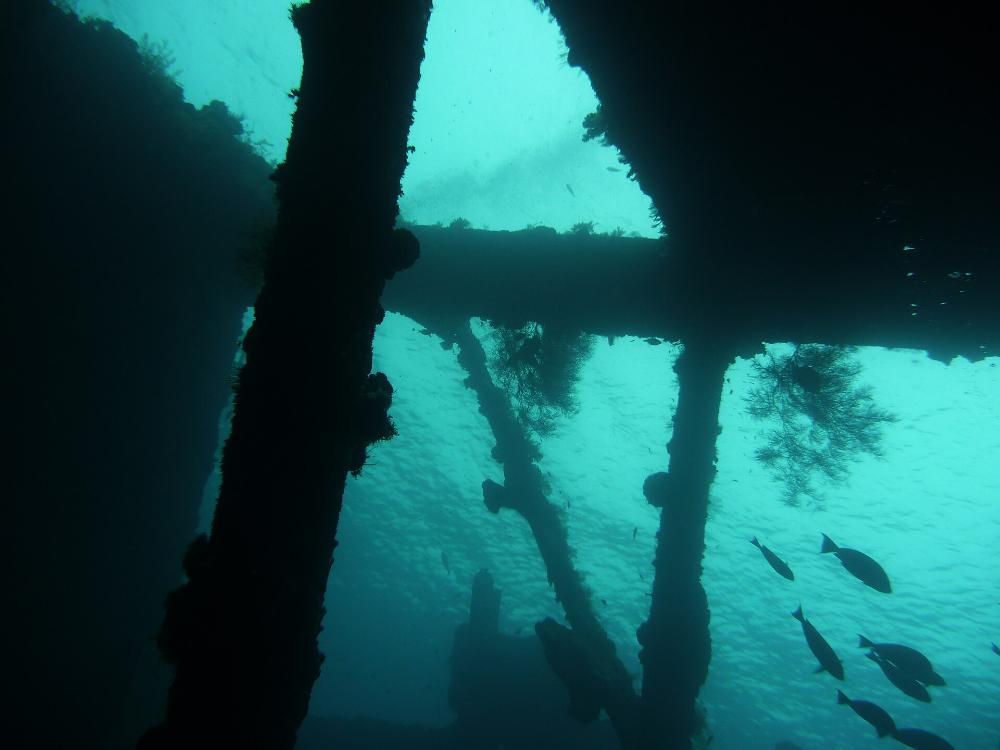
Today it lies at 5 to 30 meters, accessible directly from shore, and covered in some of the most biodiverse coral growth you’ll find on any wreck anywhere.
The shallower sections are perfect for snorkelers and open water divers, while the deeper stern draws experienced divers after bumphead parrotfish, hawksbill turtles, and large schools of barracuda.
- Year Sunk: 1942 (Beached), 1963 (Mount Agung eruption moved to current position)
- Depth: 5-30 meters
- Access Type: Snorkeling and diving
- Skill Level: All levels
- History: WWII cargo ship, now an artificial reef
- Best Features: Over 400 fish species, vibrant coral growth, and shore access
- Season: April-October, dry season optimal
The entry point is right off the beach in Tulamben. Go early morning or late afternoon for the quietest conditions.
12. Fujikawa Maru (Truk Lagoon, Micronesia)
Operation Hailstone in February 1944 was a devastating US Navy air assault on the Japanese naval base at Truk Lagoon. In two days, over 60 ships and 400 aircraft were destroyed. The lagoon became the world’s largest accidental underwater museum, and the Fujikawa Maru is one of its best-preserved highlights.
- Year Sunk: 1944
- Depth: 10-34 meters
- Access Type: Scuba diving
- Skill Level: Intermediate
- History: WWII Japanese cargo vessel, Operation Hailstone victim
- Best Features: Perfectly preserved aircraft and equipment, an underwater museum
- Season: Year-round, best December-April
This 437-foot Japanese cargo vessel sits upright at 10 to 34 meters with the bridge area intact, sake bottles still in the officers’ quarters, and Zero fighter plane fuselages in the forward hold.
The soft coral growth on the exterior has turned the hull into a living reef over decades of undisturbed growth. Getting there requires a liveaboard trip out of Chuuk, but that week covers multiple wrecks and is considered a bucket-list experience for serious wreck divers.
13. Star of Greece (Port Willunga, South Australia)
The Star of Greece is for visitors who want a wreck experience without any diving at all. This British clipper ran aground off Port Willunga in 1888 while anchored offshore to load cargo, caught by a sudden storm.
The iron hull and timber remains now sit at just 2 to 6 meters, visible from the beach at low tide without any equipment and accessible to snorkelers with minimal experience.
- Year Sunk: 1888
- Depth: 2–6 meters
- Access Type: Snorkeling and shore diving
- Skill Level: Beginner
- History: British clipper wrecked in heavy seas while anchored offshore to load cargo
- Best Features: Clearly visible iron hull and timbers, accessible directly from the beach
- Season: Best in summer months (December–March) when visibility is highest
Port Willunga is a small beach town about 40 minutes south of Adelaide. The wreck site is part of a marine sanctuary, so nothing can be removed or disturbed. Summer months bring the clearest visibility and warm enough water to snorkel without a wetsuit.
14. USS Saratoga (CV‑3), Bikini Atoll, Marshall Islands
The USS Saratoga is one of only three diveable aircraft carriers in the world, and the most dramatic of the three. Launched in the 1920s and used throughout World War II, the Saratoga was deliberately sunk in 1946 as part of Operation Crossroads, a series of nuclear weapons tests at Bikini Atoll. The blast preserved the wreck in a strange, almost time-capsule state.
She sits upright on the lagoon floor with the flight deck at around 27 meters and the superstructure rising to 18 meters. The dive shop, aircraft still on deck, and medical rooms are all intact.
- Year Sunk: 1946
- Depth: Sits upright at 51 meters; flight deck at ~27 meters, superstructure reaches up to ~18 meters
- Access Type: Technical scuba diving (closed-circuit rebreather recommended)
- Skill Level: Advanced – suitable for experienced divers with wreck and deep dive training
- History: Early U.S. Navy aircraft carrier, launched in the 1920s and used in WWII. Sunk during Operation Crossroads nuclear testing in 1946
- Best Features: Intact flight deck, open bridge, medical rooms, and deep interior spaces; popular for extended penetration dives
- Season: May to October – dry season with calm, clear lagoon conditions
This is a remote and technically demanding site: Bikini Atoll is a UNESCO World Heritage Site, liveaboard access requires significant planning, and the Marshall Islands government manages visitor numbers carefully.
Northern Waters
The northern waters have a lot less diverse marine life; due to this fact, they are the best place to preserve the shipwreck sites within them.
15. Scapa Flow Wrecks (Scotland)
Scapa Flow is a sheltered sea basin in the Orkney Islands and the most significant ship graveyard in the world. In 1919 it became the site of the largest naval scuttling in history. The German High Seas Fleet had been interned there after World War I while peace negotiations dragged on at Versailles. On June 21, 1919, the German commander ordered all 74 ships scuttled simultaneously to prevent them falling into Allied hands. Around 52 ships sank before the Allies could intervene.
- Year Sunk: 1919
- Depth: 12-45 meters
- Access Type: Advanced scuba diving
- Skill Level: Advanced/Technical
- History: German High Seas Fleet mass scuttling after WWI
- Best Features: World’s greatest collection of WWI naval wrecks
- Season: May-September optimal
7 of those wrecks remain today, protected as historic monuments and diveable across a range of depths. The most accessible include the SMS Brummer and SMS Karlsruhe, which sit at depths between 24 and 35 meters, with intact superstructures and good visibility. Cold North Atlantic water requires a dry suit, and most operators in Stromness and St. Margaret’s Hope rent gear if you don’t travel with your own.
Orkney itself is worth the trip independently of the diving. The islands have some of Scotland’s best prehistoric sites, including Skara Brahe and the Ring of Brodgar, both within easy distance of the main dive departure points. A week combining wreck diving and archaeological sightseeing is one of the more unusual and genuinely memorable travel combinations on this list.
What is the most famous shipwreck in the world?
The SS Thistlegorm in Egypt’s Red Sea is widely considered the most famous divable shipwreck in the world. Sunk in 1941 with a cargo of military vehicles, motorcycles, and ammunition, it was rediscovered by Jacques Cousteau in the 1950s and has been a top dive destination ever since. For non-divers, the RMS Titanic is the most famous shipwreck overall, though it sits at nearly 4,000 meters and is not accessible to recreational visitors.
Which shipwrecks can you see without diving?
Several shipwrecks on this list are visible without any dive certification. The Peter Iredale in Oregon is completely above water at low tide and accessible on foot. The Star of Greece in South Australia is visible from the beach and suitable for snorkeling in 2 to 6 meters of water. The Sweepstakes in Tobermory, Ontario can be seen from glass-bottom tour boats in crystal-clear freshwater. The Antilla in Aruba is partially accessible to snorkelers without diving.
Where in the world are the most shipwrecks concentrated?
The highest concentration of divable historic shipwrecks is in the Red Sea, particularly around Egypt’s Sinai Peninsula and the Strait of Gobal. Truk Lagoon in Micronesia holds over 60 WWII wrecks in a single lagoon. Scapa Flow in Scotland contains the world’s largest collection of WWI naval vessels. The waters around Tobermory, Ontario hold over 20 freshwater wrecks in a compact national marine park. Florida’s Gulf Coast has more than 50 documented dive wrecks within a few hours of each other.
Snorkeling vs. Diving Sites
Some of the famous shipwrecks are visible from the shore or water, especially during low tide. Many sites, Egyptian ones in particular, are a great start for the new Open Water certificate holders. While some items on the list present a challenge even for experienced divers due to the cold water or strong currents.
Shallow water sites (0 – 10 meters)
- Peter Iredale (Oregon) – Beach accessible
- Star of Greece (Australia) – Visible at low tide
- Antilla Wreck (Aruba) – Snorkeling sections available
- Sweepstakes (Ontario) – Crystal clear freshwater
Beginner dive sites
| Site | Depth Range | Water Temp | Visibility | Current |
|---|---|---|---|---|
| USAT Liberty | 5-30m | 26-29°C | 15-30m | Minimal |
| Hilma Hooker | 18-42m | 26-28°C | 30m+ | Light |
| Wreck of Rhone | 6-24m | 24-29°C | 20-40m | Moderate |
Advanced diving destinations
- USS Oriskany: Deep penetration, strong currents
- Giannis D.: Complex structure, multiple entry points
- Scapa Flow Wrecks: Cold water, limited visibility
The Golden Age of Steamships (1840-1920)
The period between 1840 and 1920 marked the golden age of steamship travel, when massive vessels crossed oceans carrying passengers, cargo, and dreams of new lives. Many of today’s most famous shipwreck sites originated from this era.
“Every shipwreck is a time capsule, preserving a moment in maritime history that would otherwise be lost to time.” – Dr. Robert Ballard, Ocean Explorer
Timeline of Famous Maritime Disasters
- 1867: RMS Rhone destroyed by a hurricane in the Caribbean
- 1888: Star of Greece wrecked off the South Australian coast
- 1906: Peter Iredale ran aground on an Oregon beach
- 1912: RMS Titanic strikes iceberg, becomes world’s most famous wreck
- 1919: German High Seas Fleet scuttled at Scapa Flow
World War II Naval Heritage
WWII created numerous military shipwreck locations that now serve as underwater memorials In February 1944, the US Navy’s “Operation Hailstone” transformed Truk Lagoon into the world’s largest underwater museum, with over 60 vessels and 400 aircraft resting on the seafloor.
- SS Thistlegorm: Victim of a German air attack while carrying supplies to North Africa
- USAT Liberty: Torpedoed off Bali, later moved to shallow water as an artificial reef
- Antilla: Self-scuttled by German crew to prevent Allied capture
Safety and Ecology
Shipwreck diving involves structurally unstable environments, entanglement risks, and ecologically sensitive zones. Divers can unintentionally damage habitats or compromise their own safety without clear guidelines.
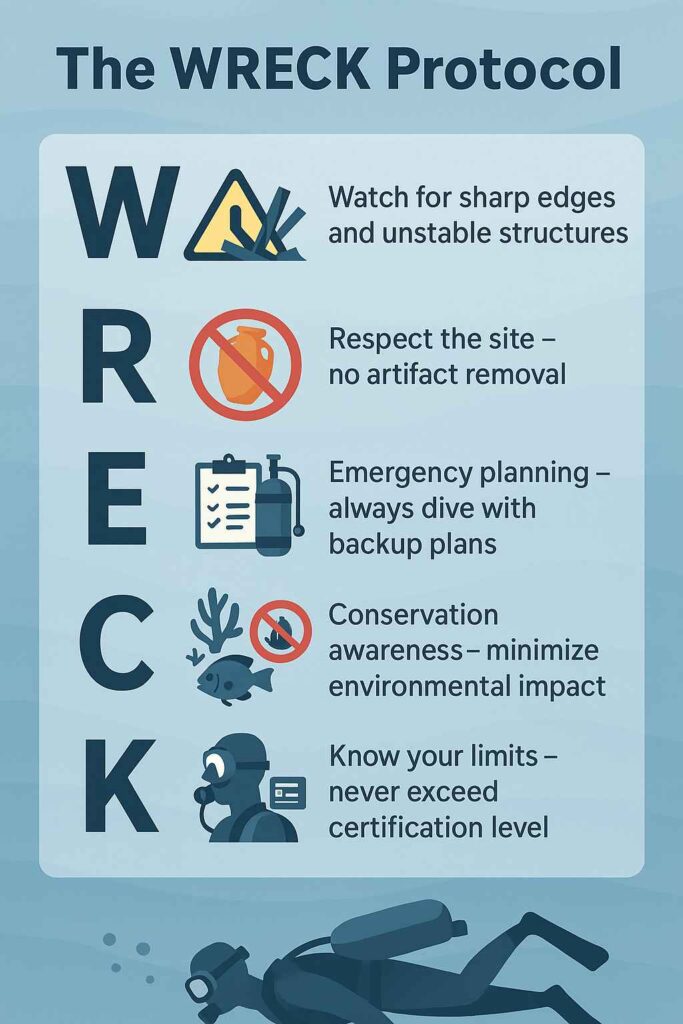
The WRECK Protocol is a standardized field safety checklist used by dive instructors, conservation teams, and wreck tourism operators to prevent injuries and ensure minimal ecological disturbance. It applies to both recreational and technical dives and is especially relevant in high-traffic artificial reef sites where diver behavior directly affects long-term ecosystem health
The WRECK Protocol
- Watch for sharp edges and unstable structures
- Respect the site – no artifact removal
- Emergency planning – always dive with backup plans
- Conservation awareness – minimize environmental impact
- Know your limits – never exceed certification level
Artificial Reef Ecosystems
Luckily, a ship’s history often doesn’t end with sinking, so it starts a second life underwater. Metal surfaces turn into landing spots for algae and tiny animals, which quickly attract fish looking for food and shelter.
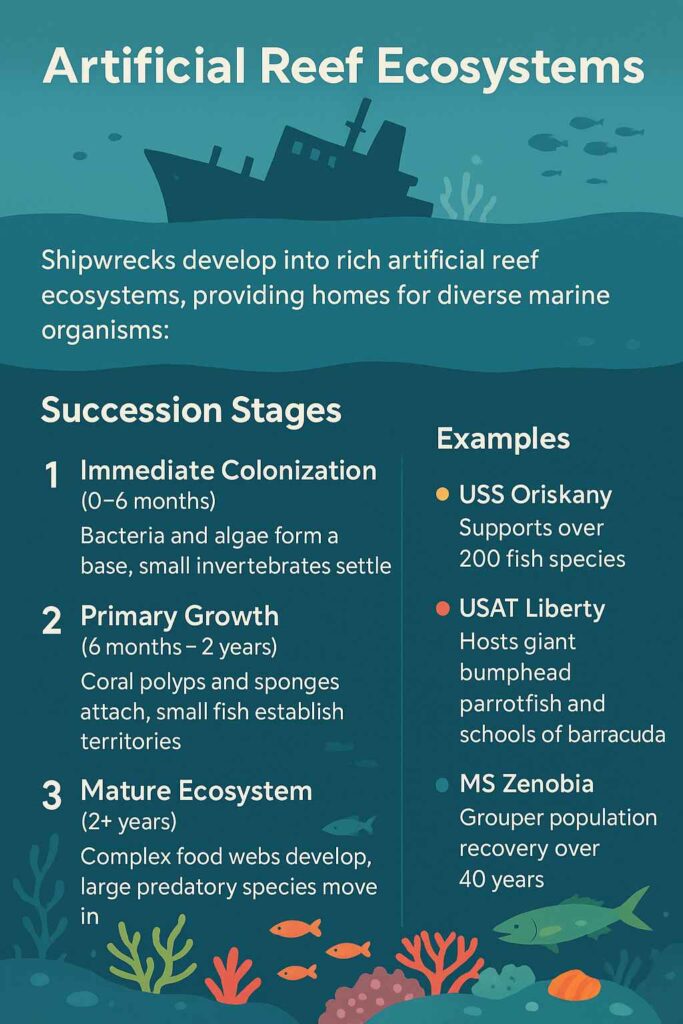
Over months and years, more species move in, from corals and sponges to larger predators. What began as a wreck slowly becomes a busy marine neighborhood, often matching natural reefs in both activity and biodiversity.
Succession Stages
- Immediate Colonization (0-6 months)
- Bacteria and algae establish base ecosystem
- Small invertebrates begin settlement
- Primary Growth (6 months – 2 years)
- Coral polyps and sponges attach to surfaces
- Small fish species establish territories
- Mature Ecosystem (2+ years)
- Complex food webs develop
- Large predatory species frequent the site
- Biodiversity peaks with hundreds of species
- Complex food webs develop
The USS Oriskany, USAT Liberty, and MS Zenobia show what happens when a wreck is left in place and given time. Each one started as a bare structure and gradually turned into a thriving reef. Today, they’re home to everything from small reef fish to large predators, and they’ve become key parts of their local ecosystems.
- USS Oriskany: Now supports over 200 fish species
- USAT Liberty: Hosts giant bumphead parrotfish and schools of barracuda
- MS Zenobia: Grouper population recovery documented over 40 years
Planning Your Shipwreck Adventure
By now, it’s clear that some of the shipwrecks demand careful navigation and reward those who approach them with respect and preparation. Not all wrecks are accessible year-round, and conditions like visibility, currents, and water temperature can vary widely by season. Some locations are known for specific wildlife encounters, while others require advanced certifications or specialized gear.
Diving Seasons and Conditions
| Region | Best Months | Water Temp | Visibility | Special Considerations |
|---|---|---|---|---|
| Caribbean | Nov-Apr | 24-29°C | 20-40m | Hurricane season May-Oct |
| Red Sea | Oct-Apr | 20-26°C | 30-50m | Avoid summer heat |
| Mediterranean | May-Oct | 16-25°C | 15-30m | Winter storms common |
| Pacific (Tropical) | Apr-Oct | 26-30°C | 15-35m | Monsoon variations |
| North Atlantic | Jun-Sep | 8-18°C | 10-25m | Rough seas in winter |
Unfortunately, the best times for wildlife encounters aren’t the same as the best diving experience for shipwreck exploration. Here’s an approximate breakdown of wildlife activity by region to consider during planning:
- Manta Ray Season (Red Sea): May-September
- Whale Shark Encounters (Caribbean): June-September
- Seal Populations (Scapa Flow): Year-round, most active in the summer
- Tropical Fish Spawning (Indo-Pacific): March-May
Scuba and Snorkeling Equipment Essentials
The right gear can make or break a shipwreck experience. For divers, that starts with a well-fitted mask and a reliable regulator; 2 things you don’t want to second-guess once you’re underwater. A dive computer is just as important, especially around wrecks where depth and bottom time can vary quickly. If the site allows for penetration, a dive light is a must, even during the day. Many wreck interiors are dark, and a good torch helps you spot hazards and marine life without stirring up sediment.
For Snorkeling:
- High-quality mask with a good seal
- Snorkel with a dry-top feature
- Fins appropriate for conditions
- Rashguard or wetsuit for protection
- Underwater camera for documentation
For Diving:
- Primary Equipment: Regulator, BCD, exposure suit
- Safety Gear: Surface marker buoy, whistle, emergency air source
- Navigation: Compass, dive computer, underwater slate
- Documentation: Underwater camera, dive log materials
For snorkeling around shallow wrecks, the setup is simpler but still worth doing right. A dry-top snorkel helps avoid mouthfuls of seawater in choppy conditions, and fins should match the type of swimming you’ll do: short fins for tight areas, longer ones for covering distance. Rash guards or thin wetsuits add warmth and protection against scrapes or jellyfish.
In both cases, gloves may be discouraged or even banned to prevent damage to coral-covered surfaces, so check local guidelines before packing them. Always bring a surface marker buoy, especially in areas with boat traffic. Even on calm days, visibility from the surface can drop fast near wrecks, and that little orange tube could save your life.
Certification and Training Requirements
Of course, the required preparation depends on specific plans for the shipwreck and the duration of the underwater stay. For example, partial exploration of SS Thistlegorm can be done with the basic Open Water certificate, but the full site exploration will require an advanced certification.
Entry Level: Open Water
The most suitable wrecks for open water certificate holders are the shallow sections of USAT Liberty, and the upper structure of the Antilla wreck. Bonaire is just a short hop away.
- USAT Liberty (Bali) – Shallow sections
- Antilla Wreck (Aruba) – Upper structure
- Wreck of Rhone (BVI) – Bow section
Intermediate Level: Advanced Open Water
As mentioned before, full exploration of a shipwreck in most cases requires an Advanced Open Water certification:
- SS Thistlegorm (Egypt) – Full exploration
- MS Zenobia (Cyprus) – Exterior diving
- Hilma Hooker (Bonaire) – Complete wreck
Expert Level: Technical Diving
Deep wrecks and extended bottom stays will most likely need a more technical certificate and the usage of breathing mixes like nitrox or trimix:
- Trimix Certification: For deep wrecks like USS Oriskany
- Wreck Penetration: For interior exploration
- Decompression Procedures: For extended bottom times
Budget Considerations (USD)
These budget assessments are very approximate: the training costs will vary depending on the location, the gear prices can depend on the manufacturer, while the biggest recurring expense for advanced diving is the costs of breathing mixes.
| Experience Level | Daily Cost Range | Equipment | Training |
|---|---|---|---|
| Snorkeling | $50-150 | $100-300 | Minimal |
| Recreational Diving | $100-300 | $1,000-3,000 | $300-500 |
| Technical Diving | $200-500 | $3,000-8,000 | $1,000-2,500 |
Sample Itineraries
Planning a wreck dive trip often comes down to matching your interests, skill level, and available time with the right regions and sites. These sample itineraries provide a starting point; each one is designed to strike a balance between dive intensity, site variety, and local logistics.
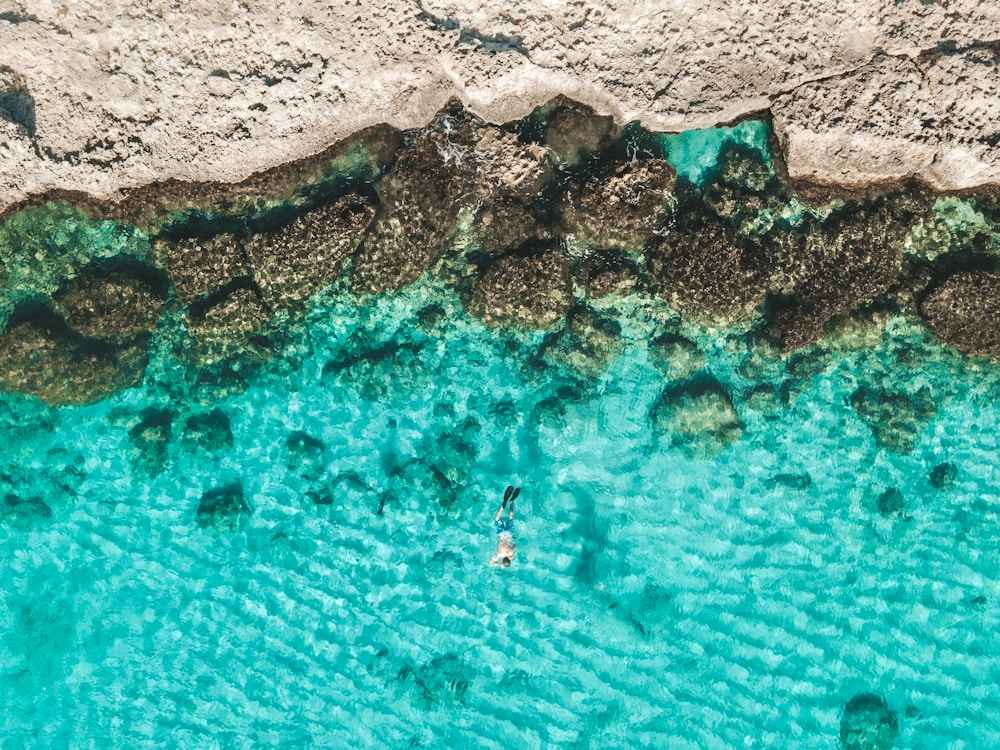
Caribbean Island Hopping (10 days)
This route is ideal for recreational divers looking for a mix of easy wrecks, clear water, and laid-back island travel. Short travel distances and consistent weather make this a reliable warm-water itinerary.
- Days 1-3: Aruba – Antilla Wreck exploration
- Days 4-6: Bonaire – Hilma Hooker and reef diving
- Days 7-10: British Virgin Islands – Wreck of Rhone
Red Sea Expedition (7 days)
The Red Sea delivers warm temperatures, excellent visibility, and a mix of historic and artificial wrecks. Starting in Hurghada, divers can explore the MV Salem Express and nearby reef systems. Moving south to Dahab, liveaboard trips offer access to the SS Thistlegorm, one of the most photographed WWII wrecks in the world.
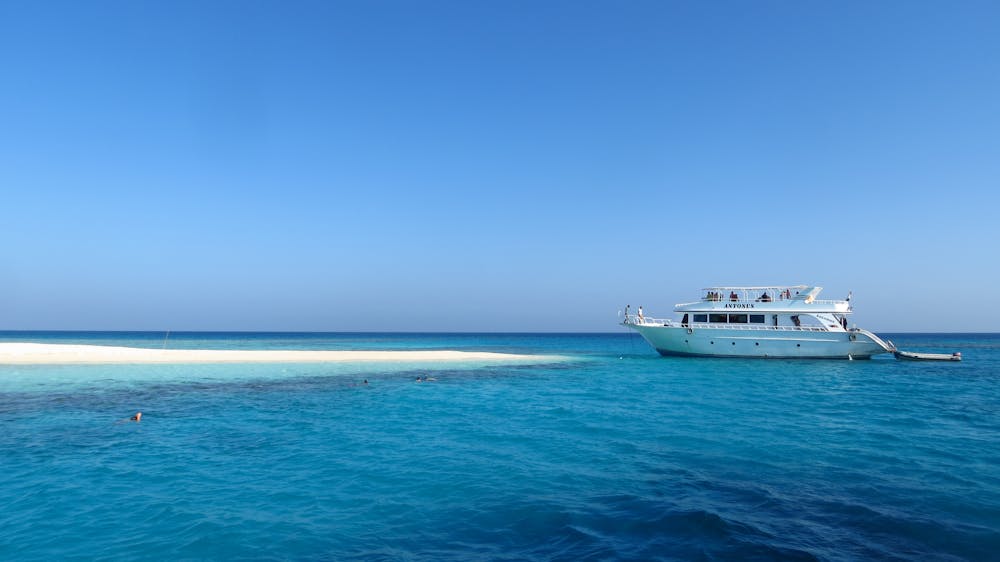
The trip ends in Sharm el-Sheikh, home to a cluster of wreck sites and strong infrastructure for multi-dive days. This itinerary works well for intermediate to advanced divers who want maximum dive time in a compact schedule.
- Days 1-2: Hurghada – MV Salem and local reefs
- Days 3-5: Dahab – SS Thistlegorm liveaboard
- Days 6-7: Sharm el-Sheikh – Multiple wreck sites
Technical Diving Challenge (14 days)
This 2-week itinerary is aimed at experienced divers with technical certifications. The first week is based in Cyprus, focusing on the MS Zenobia. With multiple descent points and depths beyond 40 meters, it provides a full range of decompression and trimix opportunities.
- Week 1: Cyprus – MS Zenobia intensive
- Week 2: Scotland – Scapa Flow expedition
The second week is at Scapa Flow in Scotland. The remains of the German High Seas Fleet lie in depths accessible only to well-prepared divers. This route combines historical depth with technical complexity and cold-water exposure.
Pin this for later



Comments