America’s haunted history runs deep. From abandoned asylums to historic hotels, these locations carry the weight of tragic events that happened decades or centuries ago. Believe in ghosts or not, the stories behind these haunted places will send chills down your spine.
- 1. Trans-Allegheny Lunatic Asylum, West Virginia
- 2. Villisca Axe Murder House, Iowa
- 3. Ohio State Reformatory, Mansfield
- 4. Eastern State Penitentiary, Philadelphia
- 5. Stanley Hotel, Colorado
- 6. Winchester Mystery House, California
- 7. West Virginia State Penitentiary, Moundsville
- 8. Waverly Hills Sanatorium, Kentucky
- 9. Bell Witch Cave, Tennessee
- 10. The Marshall House, Savannah
- 11. Bodie, California
- 12. Crescent Hotel, Arkansas
- 13. Dock Street Theatre, Charleston
- 14. Emily’s Bridge, Stowe, Vermont
- 15. House of the Seven Gables, Salem, Massachusetts
- 16. The Mark Twain House, Hartford, Connecticut
- 17. Masonic Temple, Detroit, Michigan
- 18. Mizpah Hotel, Nevada
- 19. Myrtles Plantation, Louisiana
- 20. Hotel Monte Vista, Arizona
- 21. The Queen Mary, Long Beach, California
- 22. Alcatraz Island, California
- 23. Bachelor’s Grove Cemetery, Chicago, Illinois
- 24. St. Augustine Lighthouse, Florida
- 25. The Whaley House, San Diego, California
- Read more
Each location on this list has documented reports of paranormal activity, backed by historical records of genuine tragedy. They’re more than tourist attractions. They’re windows into America’s darker chapters.
1. Trans-Allegheny Lunatic Asylum, West Virginia
Built in 1864, this massive Gothic Revival structure was designed to house 250 patients. By the 1950s, over 2,400 people were crammed inside. The overcrowding led to inhumane conditions that would make anyone’s skin crawl.
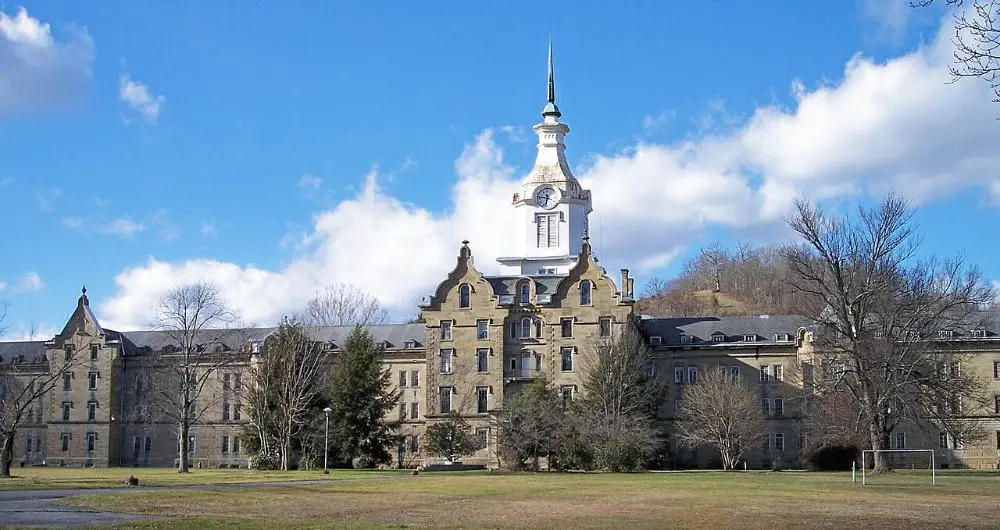
Patients endured lobotomies, electroshock therapy, and isolation in cramped cells. Many never left alive. According to the Trans-Allegheny Lunatic Asylum’s official records, the facility closed in 1994 after decades of neglect and abuse.
Common paranormal reports include disembodied voices in empty hallways, shadowy figures in patient rooms, cold spots that appear suddenly, and doors slamming without explanation. The asylum now offers guided tours where visitors regularly report unexplained phenomena. Staff members refuse to work alone after dark.
2. Villisca Axe Murder House, Iowa
On June 10, 1912, 8 people were brutally murdered in their sleep with an axe. The Moore family and 2 houseguests were found the next morning, their heads crushed beyond recognition.
The killer was never caught. The case remains unsolved over 110 years later, making it one of America’s most notorious cold cases.
Timeline of the murders:
| 10:00 PM | Family returns from church service |
| 12:00 AM | Estimated time of murders |
| 8:00 AM | Bodies discovered by neighbor |
| 10:00 AM | Police arrive at scene |
Visitors report hearing children’s laughter, footsteps upstairs, and the sound of an axe hitting wood. Some guests who stay overnight flee in the middle of the night, unable to explain their terror.
The house operates as a museum today, offering overnight stays for the brave. Most don’t last until morning.
3. Ohio State Reformatory, Mansfield
This imposing castle-like prison opened in 1886 and housed over 155,000 inmates during its 94-year operation. Violence was commonplace, with riots, murders, and suicides occurring regularly behind its walls.
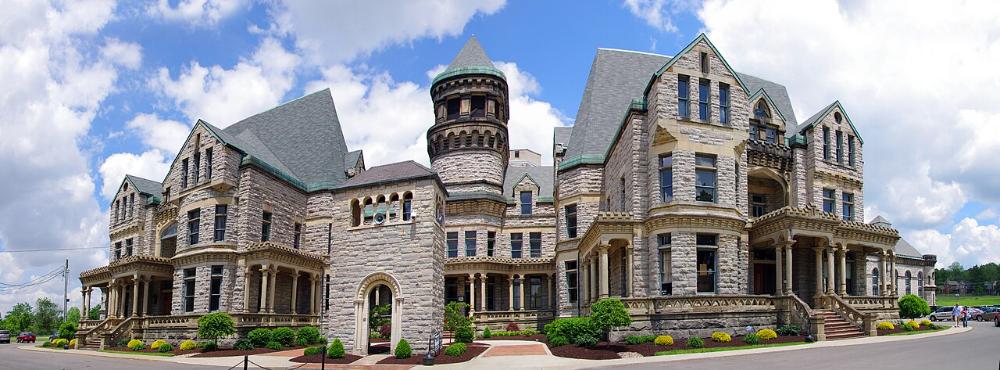
The worst tragedy happened in 1930 when a fire killed 322 inmates locked in their cells. They burned alive, screaming for help that never came.
Paranormal investigators have recorded thousands of hours of unexplained audio here. The most disturbing evidence includes: voices pleading for help, cell doors slamming shut, apparitions in prison uniforms, and the smell of smoke with no source.
“This place holds more pain per square foot than anywhere I’ve investigated. The spirits here aren’t at peace.” – Lead investigator, Ohio Paranormal Research Society
The reformatory gained fame as the filming location for “The Shawshank Redemption,” but its real horror story is far darker than any movie.
4. Eastern State Penitentiary, Philadelphia
Revolutionary for its time, this prison introduced solitary confinement in 1829. Inmates were hooded when moved and forbidden from speaking to anyone—ever. The psychological torture drove many prisoners insane.
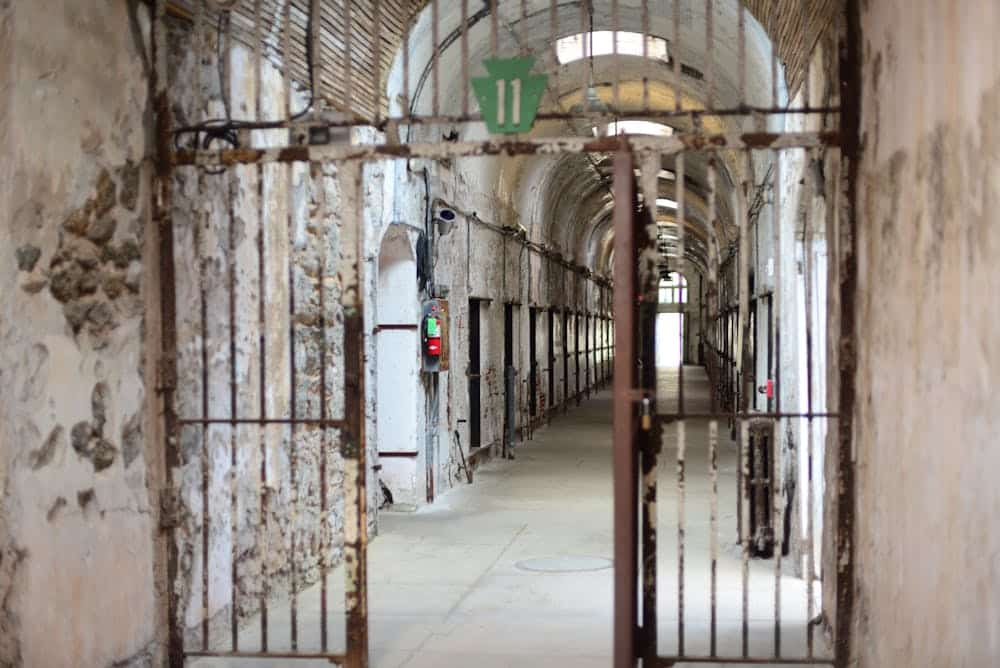
Famous inmates included Al Capone, who reportedly went mad during his stay. Guards documented prisoners talking to invisible people, screaming at walls, and clawing at their own skin.
Prison statistics:
- Operated: 1829-1971
- Total inmates: Over 85,000
- Suicide rate: 300% higher than other prisons
- Mental breakdowns: Documented daily
The isolation system was eventually abandoned as “cruel and unusual,” but the damage was done. According to National Geographic’s investigation, Eastern State has more paranormal reports than any other location in America. Visitors describe shadow figures in cells, disembodied laughter, and the sensation of being watched. Cell Block 12 is considered so active that tours avoid it after sunset.
5. Stanley Hotel, Colorado
Stephen King’s inspiration for “The Shining” has a dark history that predates the famous novel. Built in 1909, the hotel sits isolated in the Colorado mountains, cut off from civilization during harsh winters.
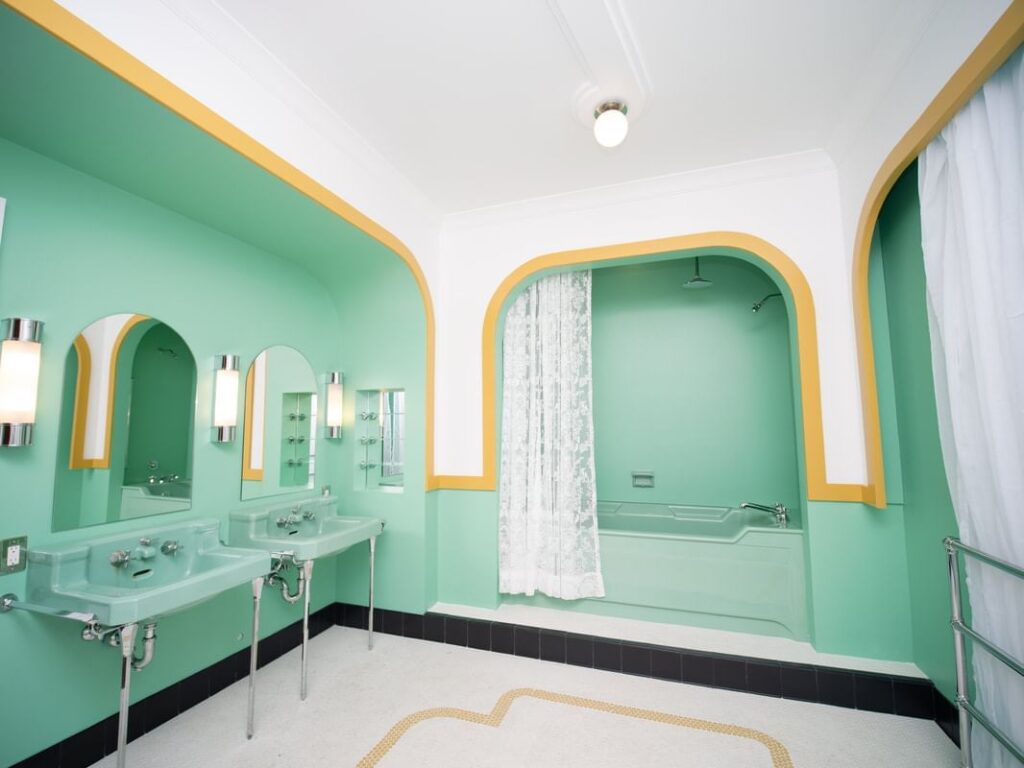
The isolation drove guests and staff to desperation. Multiple suicides occurred in the hotel, including a housekeeper who hanged herself in Room 217—the same room where King experienced his terrifying nightmares.
Strange occurrences include piano music from the empty ballroom, children running in abandoned hallways, elevators moving to the 4th floor on their own, and guests checking out in the middle of the night
Room 217 is the most requested and most feared. Guests report their belongings being unpacked by invisible hands and the strong smell of roses (the deceased housekeeper’s favorite perfume).
The hotel embraces its haunted reputation, offering ghost tours and paranormal investigation packages. Staff members have countless stories but rarely work the night shift alone.
6. Winchester Mystery House, California
Sarah Winchester, heiress to the Winchester rifle fortune, believed she was cursed by everyone killed with Winchester guns. For 38 years, she never stopped building additions to her house, thinking construction would confuse the spirits.
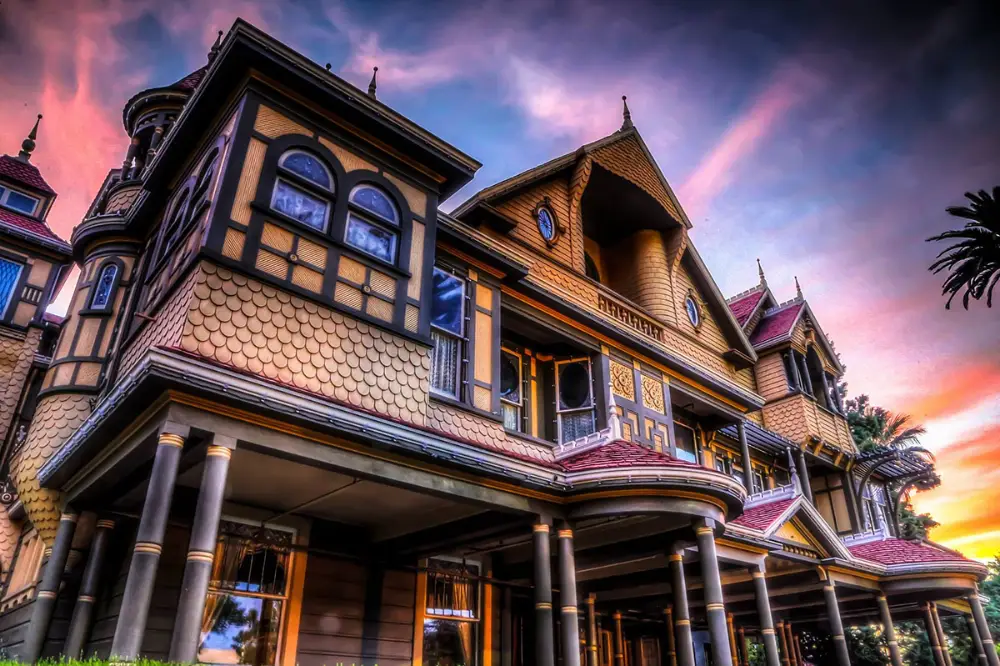
The result is an architectural nightmare: staircases leading to ceilings, doors opening to walls, and windows looking into other rooms. Sarah died in 1922, but construction workers reported seeing her ghostly figure directing imaginary workers.
House facts:
- Rooms: 160 (original count lost)
- Staircases: 40, many leading nowhere
- Doors: 2,000, most non-functional
- Windows: 10,000, some facing walls
The house’s bizarre layout seems designed to trap visitors. Tour guides regularly lose guests who wander into dead-end hallways or rooms that weren’t there the day before.
Psychics claim the house holds thousands of trapped spirits, all victims of Winchester rifles seeking revenge on the family fortune.
7. West Virginia State Penitentiary, Moundsville
From 1876 to 1995, this maximum-security prison was hell on earth. Overcrowded, understaffed, and violent, it housed the worst criminals in West Virginia. The electric chair “Old Sparky” executed 94 inmates here.
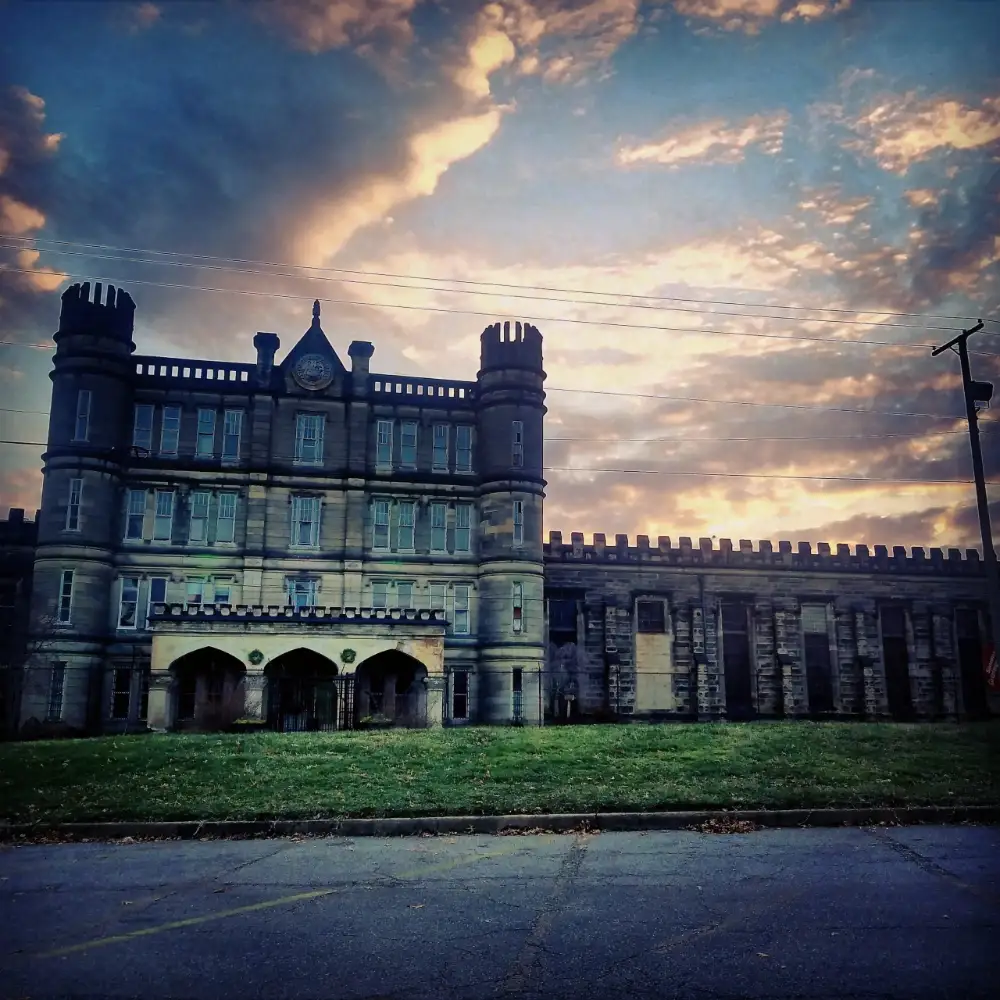
Riots were common and deadly. The 1973 riot lasted for days, resulting in multiple deaths and the complete destruction of the prison’s interior. Inmates held hostages and set fires, creating chaos that took the National Guard to stop.
The prison’s most haunted areas include:
- Death row, where condemned men waited for execution
- The electric chair room, still containing “Old Sparky”
- Solitary confinement, where inmates were driven insane
- The chapel, ironically one of the most active areas
Guards reported seeing executed inmates walking death row, still waiting for their final meal. The prison offers overnight paranormal investigations where visitors regularly flee before dawn.
According to the West Virginia Tourism Board, this location generates more paranormal reports than any other site in the state.
8. Waverly Hills Sanatorium, Kentucky
Built in 1910 to treat tuberculosis patients, Waverly Hills became a place where people came to die. At its peak during the TB epidemic, the sanatorium housed over 400 patients. The death rate was staggering—an estimated 63,000 people died here.
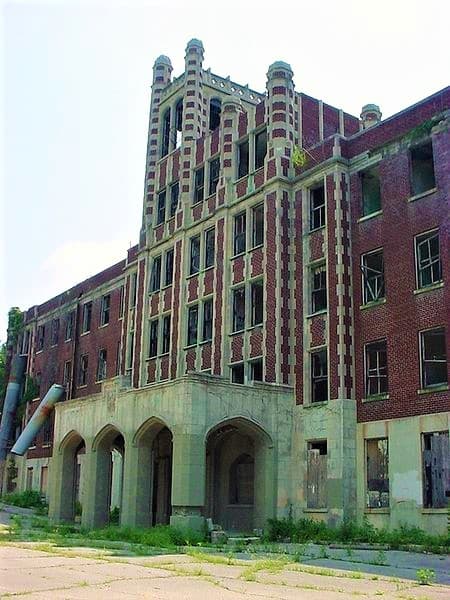
The building’s design included a “body chute”—a tunnel used to discreetly remove the constant stream of corpses without upsetting living patients. Bodies were loaded onto trains and sent away by the dozens.
Tuberculosis statistics at Waverly Hills:
| Year | Patients | Deaths | Survival Rate |
|---|---|---|---|
| 1910 | 140 | 89 | 36% |
| 1926 | 400 | 312 | 22% |
| 1943 | 180 | 45 | 75% |
Experimental treatments included collapsing patients’ lungs, removing ribs, and exposing them to extreme weather. Many procedures were performed without anesthesia.
The sanatorium closed in 1961, but the suffering lingers. Visitors report:
- The sound of gurneys rolling down empty halls
- Children’s voices from the pediatric ward
- The smell of medical equipment and death
- Shadow figures in hospital gowns
Room 502 is considered the most active. Two nurses committed suicide there—one from tuberculosis despair, another from an unwanted pregnancy. Both spirits are said to still roam the halls.
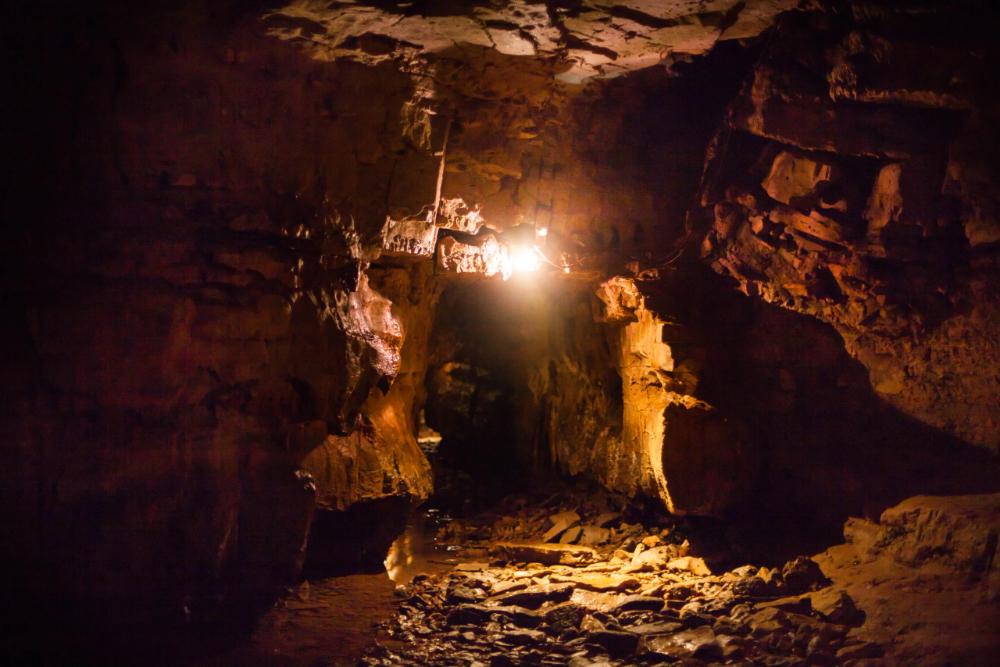
9. Bell Witch Cave, Tennessee
The Bell Witch haunting began in 1817 and terrorized the Bell family for four years. Unlike other ghost stories, this one was witnessed by hundreds of people, including future President Andrew Jackson.
The entity tormented patriarch John Bell until his death in 1820. Witnesses reported objects flying through the air, disembodied voices having conversations, and physical attacks on family members. The “witch” even poisoned Bell’s medicine bottle.
The Bell Witch Cave’s official documentation includes sworn testimonies from neighbors, church officials, and government representatives—all confirming the supernatural events.
“I would rather fight the British than deal with the Bell Witch.” – Andrew Jackson, after fleeing the property
The cave on the Bell property is considered the witch’s home. Modern investigators record voices, temperature drops, and equipment malfunctions. Local residents still avoid the area after dark.
The Bell Witch promised to return in 2017, exactly 200 years after the haunting began. Paranormal activity at the site has indeed increased dramatically since then.
10. The Marshall House, Savannah
Built in 1851, this hotel served as a Union hospital during the Civil War. Amputated limbs were thrown from upper-floor windows into the courtyard below. The building reeked of gangrene, blood, and death for months.
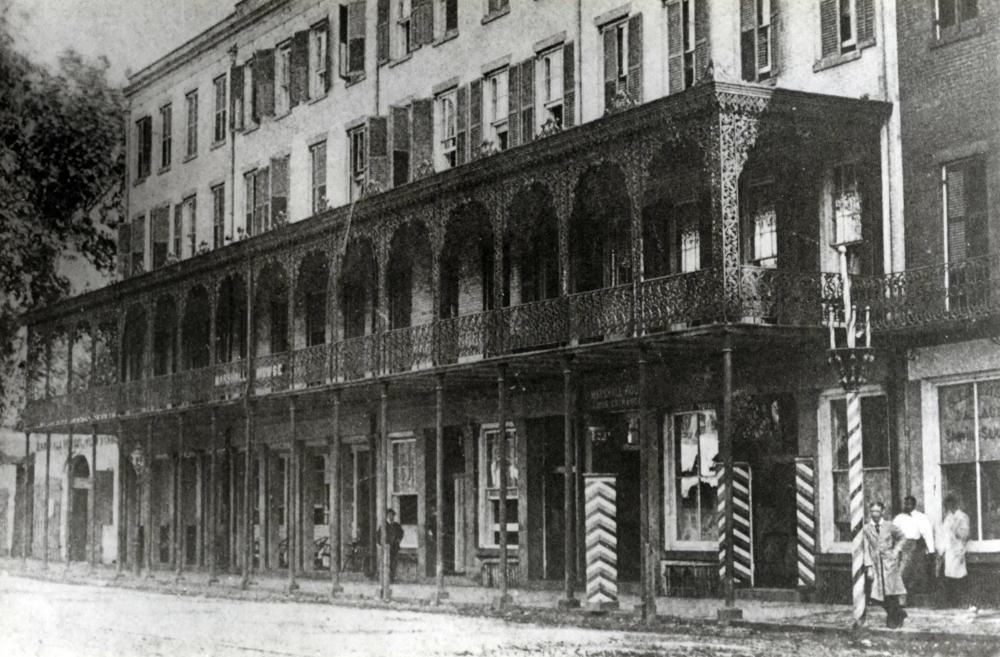
Over 1,000 soldiers died in the building during the war. Many were children, boys as young as 14 who lied about their age to enlist. They died far from home, calling for their mothers with their final breaths.
Hotel guests report:
- Children running through hallways at night
- Soldiers in Civil War uniforms standing at windows
- The smell of medical ether and infected wounds
- Elevator stops on floors where no one called it
Room 414 is particularly active. Guests wake to find a young soldier sitting at the foot of their bed, staring out the window. When they blink, he vanishes.
The hotel’s restaurant was built over the old morgue. Diners report cold spots and the feeling of being watched while eating. Staff refuse to work alone in the basement.
11. Bodie, California
This Wild West ghost town was once California’s most lawless place. At its peak in the 1870s, murders happened daily, and vigilante justice was the norm. The town’s newspaper claimed there was a “man for breakfast” every morning, meaning someone was found dead.
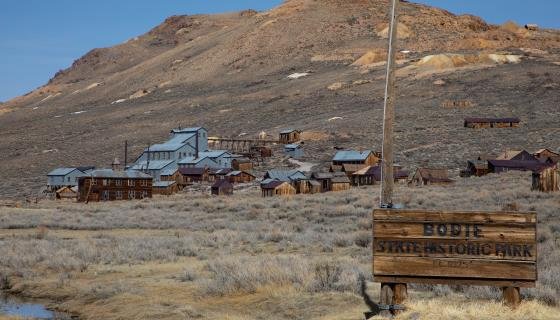
When gold ran out, residents abandoned Bodie almost overnight. They left behind homes, businesses, and belongings, creating a perfectly preserved time capsule of frontier violence.
Bodie’s criminal statistics (1877-1881):
- Murders: 168
- Saloon fights: Over 1,000
- Lynchings: 47
- Robberies: Daily occurrence
The town is now a state park, but visitors report ghostly activity throughout: phantom gunshots echoing through empty streets, piano music from abandoned saloons, apparitions in period clothing walking between buildings, and children’s laughter from the old schoolhouse.
Park rangers warn visitors not to take anything from Bodie. Hundreds of people have mailed back rocks, bottles, and artifacts, claiming they brought terrible luck. The returned items fill multiple storage rooms.
12. Crescent Hotel, Arkansas
Built in 1886 as a luxury resort, the Crescent Hotel became a cancer hospital in 1937 under the direction of Norman Baker, a man with no medical training who claimed to cure cancer with his “miracle” treatments.
Baker was a fraud who tortured desperate patients with fake remedies while stealing their money. Patients died horrible deaths as their cancer spread untreated. Baker was eventually convicted of fraud, but hundreds had already died.
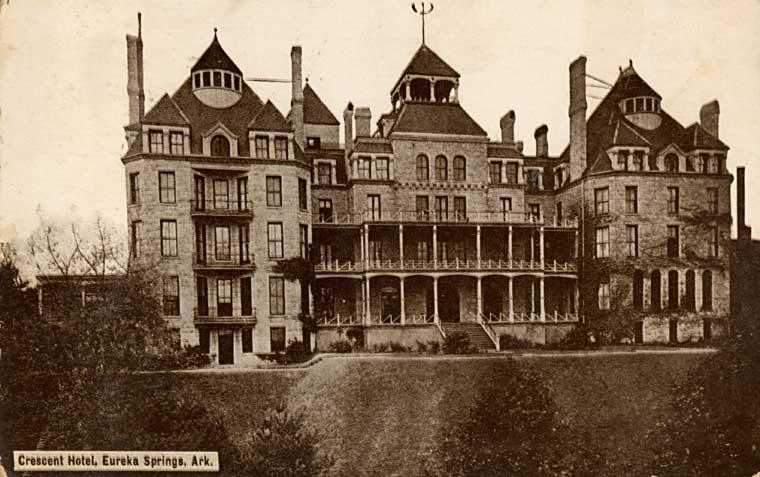
The hotel’s basement morgue still contains Baker’s equipment. Guests staying in former patient rooms report medical equipment moving on its own, voices begging for help, and the sensation of being examined by invisible hands.
The hotel now offers guided ghost tours, but staff members admit they won’t enter certain rooms alone. The 3rd floor, where Baker performed his worst experiments, remains the most active.
13. Dock Street Theatre, Charleston
America’s first building designed specifically as a theater, the Dock Street has entertained audiences since 1736. But entertainment turned to horror during yellow fever epidemics that swept Charleston.
The theater was converted to a makeshift morgue during outbreaks. Bodies were stacked in the orchestra pit and dressing rooms. The stench of death filled the building for months at a time.
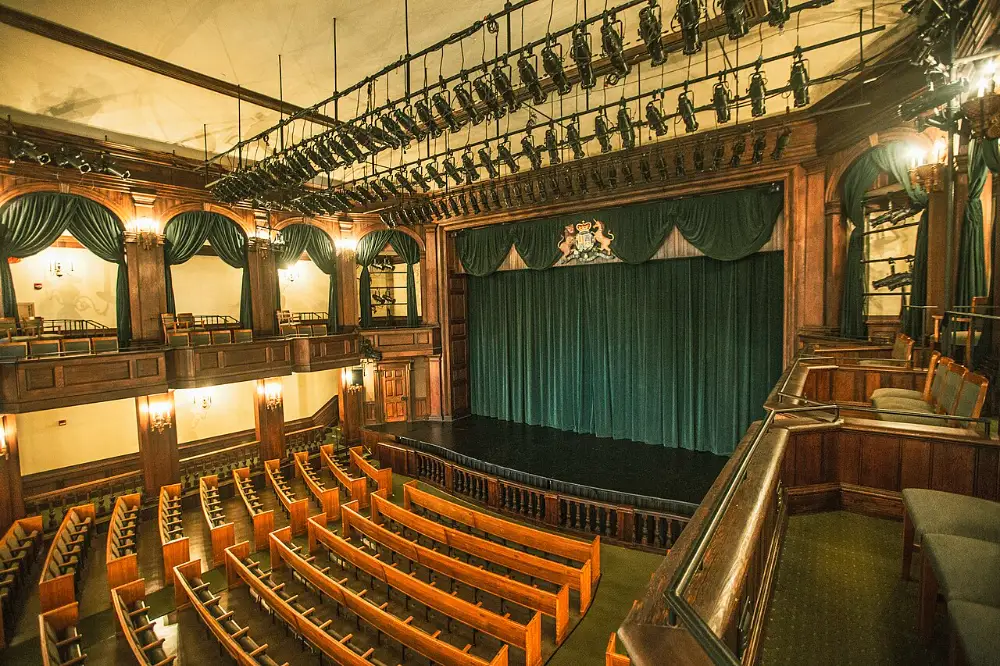
One actress, known only as “The Lady in White,” died of yellow fever during a performance in 1886. She collapsed on stage and died in the wings, still wearing her costume.
Theatergoers regularly report:
- A woman in white watching performances from empty boxes
- Cold spots in specific seats
- Applause when no audience is present
- Actors forgetting their lines when they see her backstage
The theater’s current staff embrace their ghostly resident. “The Lady in White” is considered good luck—productions she “attends” typically receive rave reviews.
14. Emily’s Bridge, Stowe, Vermont
Built in 1844, this covered bridge earned its haunted reputation from a young woman named Emily who died here under mysterious circumstances in the 1840s. Local accounts vary; some say suicide, others claim murder, but all agree she died violently.
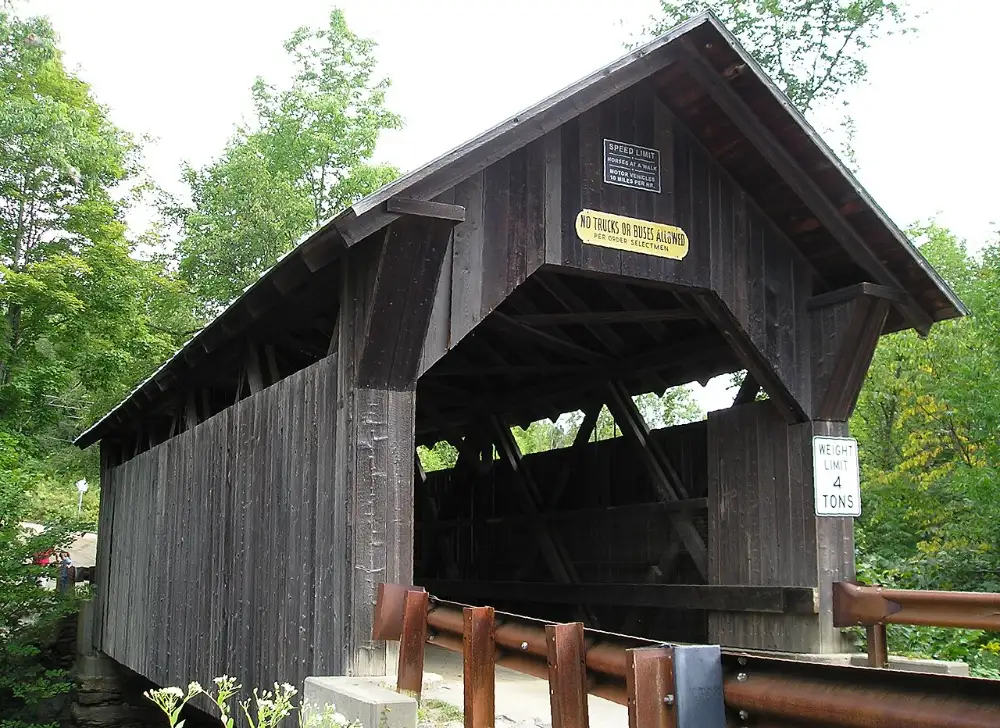
Emily’s spirit attacks anyone who crosses the bridge alone at night. Visitors report scratch marks appearing on their cars, being physically pushed while walking across, screaming that echoes from underneath the bridge, or a woman’s voice pleading for help.
The bridge’s wooden interior bears thousands of scratch marks that can’t be explained by normal wear. New scratches appear regularly, always in patterns that suggest fingernails clawing desperately.
Bridge incidents (reported annually):
- Car scratches: 200+
- Physical encounters: 50+
- Unexplained accidents: 15+
- Complete car breakdowns: 30+
Local mechanics report unusual damage to vehicles that cross the bridge—scratches that appear overnight and electronic systems that fail without explanation.
15. House of the Seven Gables, Salem, Massachusetts
Made famous by Nathaniel Hawthorne’s novel, this 1668 house has a much darker history than fiction suggests. During the Salem Witch Trials, the house’s owner was a judge who condemned innocent people to death.
Judge John Hathorne (Hawthorne’s ancestor) showed no mercy during the trials. He sent 20 people to their deaths and imprisoned hundreds more. Many of those condemned cursed him and his family line.
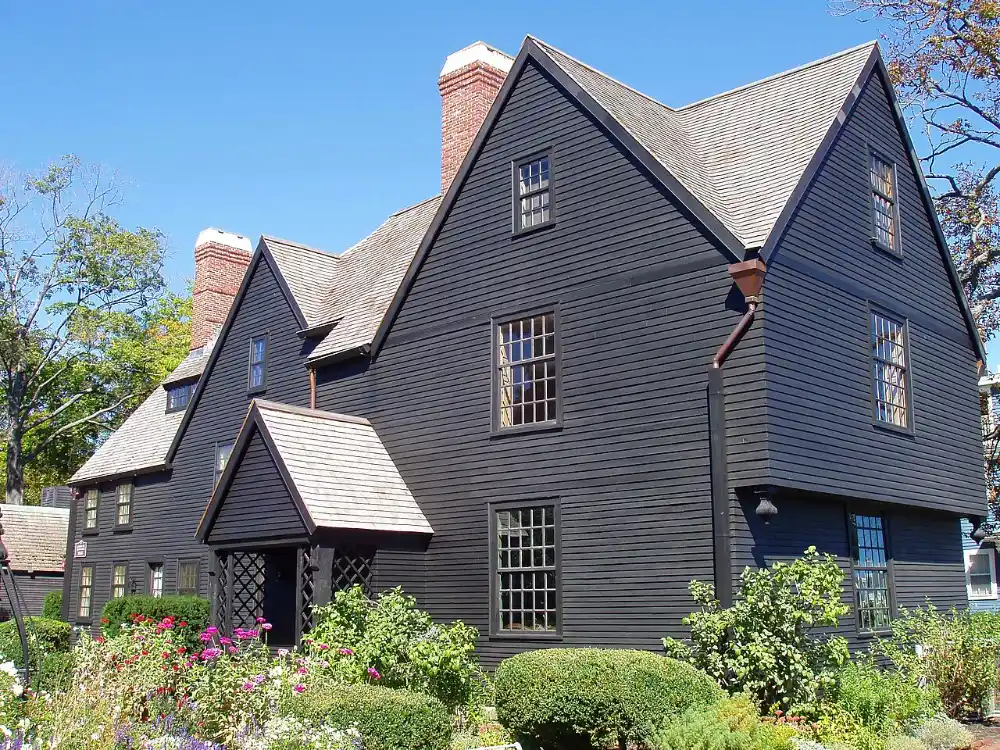
The house’s hidden staircase was used to hide accused witches, but many were discovered and dragged away to execution. Their terror still lingers in the walls.
Modern visitors experience:
- Voices whispering accusations in empty rooms
- Sudden temperature drops in the hidden staircase
- Apparitions of women in Puritan dress
- The sound of crying from the attic
Tour guides report that sensitive visitors often become overwhelmed with sadness and terror in specific rooms, the same rooms where accused witches spent their final nights.
The house museum acknowledges its haunted reputation but focuses on historical education. Staff members, however, admit they hear unexplained sounds daily.
16. The Mark Twain House, Hartford, Connecticut
Samuel Clemens built this Gothic Revival mansion in 1874 at the height of his fame. But tragedy struck the family repeatedly within these walls, turning their dream home into a place of sorrow.
The Clemens family lost their son Langdon to diphtheria, daughter Susy to meningitis, and struggled with financial ruin. Twain blamed the house for his family’s misfortunes and eventually abandoned it, unable to bear the memories.
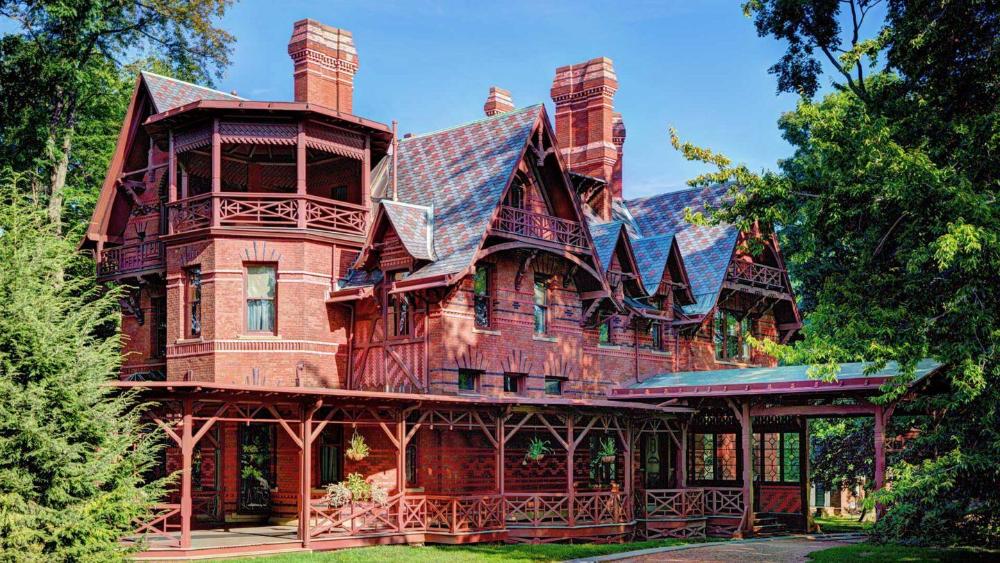
Visitors and staff report piano music from Twain’s daughters playing their favorite songs, a man’s laughter echoing from the study, and children running up and down the stairs.
The billiard room, where Twain wrote his famous works, is particularly active. Visitors report seeing a man pacing while dictating to an invisible secretary, exactly how Twain composed his novels.
“Mr. Clemens may have left Hartford, but he never truly left this house.” – Museum curator
Staff members find papers rearranged on desks and typewriter keys depressed with no explanation. Some believe Twain is still writing his final masterpiece.
17. Masonic Temple, Detroit, Michigan
Built in 1926, this massive Art Deco building was designed to house Detroit’s Masonic lodges. But the temple’s construction was marred by tragedy, multiple workers died in accidents that seemed too coincidental to be random.
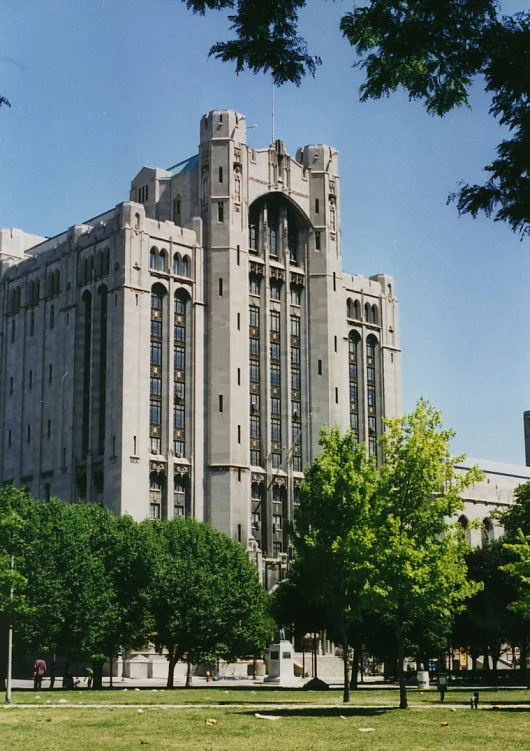
During the Great Depression, the building became a refuge for homeless families. Many died from cold and starvation in the basement levels. Their bodies were often discovered weeks later.
The temple’s 14 floors contain multiple lodge rooms, each with its own dark history:
Most active floors:
- 3rd Floor: Lodge room where a member died during initiation
- 7th Floor: Ballroom where a society murder occurred in 1932
- 12th Floor: Library where a caretaker hanged himself
- 14th Floor: Observatory where multiple suicides took place
Security guards refuse to patrol alone after 10 PM. Cameras regularly capture shadowy figures moving through empty hallways and lodge rooms.
The building’s Masonic symbolism seems to amplify paranormal activity. Investigators report that symbols carved into walls glow with unexplained light during investigations.
18. Mizpah Hotel, Nevada
Built in 1907 during Tonopah’s mining boom, the Mizpah Hotel was the tallest building in Nevada at the time. But the boom turned to bust, and the hotel became a haven for desperate people doing desperate things.
The hotel’s most famous ghost is known as “The Lady in Red”, a prostitute murdered in Room 502 by a jealous client in 1920. Her body wasn’t discovered for three days, and the room still carries the energy of her violent death.
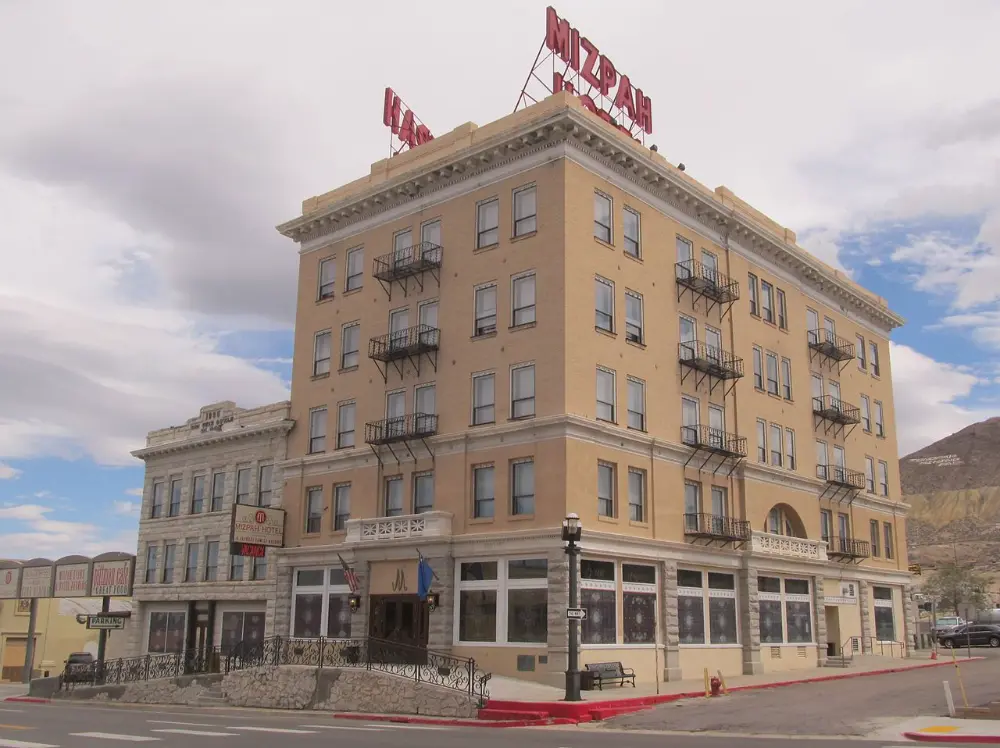
Guests in Room 502 report: a woman in red standing at the foot of the bed, a perfume smell with no source, bathroom doors slamming repeatedly, and being touched by invisible hands while sleeping
The hotel’s elevator operates on its own, stopping at the fifth floor even when no one calls it. Staff members claim it’s the Lady in Red returning to her room.
19. Myrtles Plantation, Louisiana
Built in 1796, this antebellum plantation has earned the title “One of America’s Most Haunted Houses.” At least 10 murders occurred here, including the poisoning of three family members by a slave named Chloe.
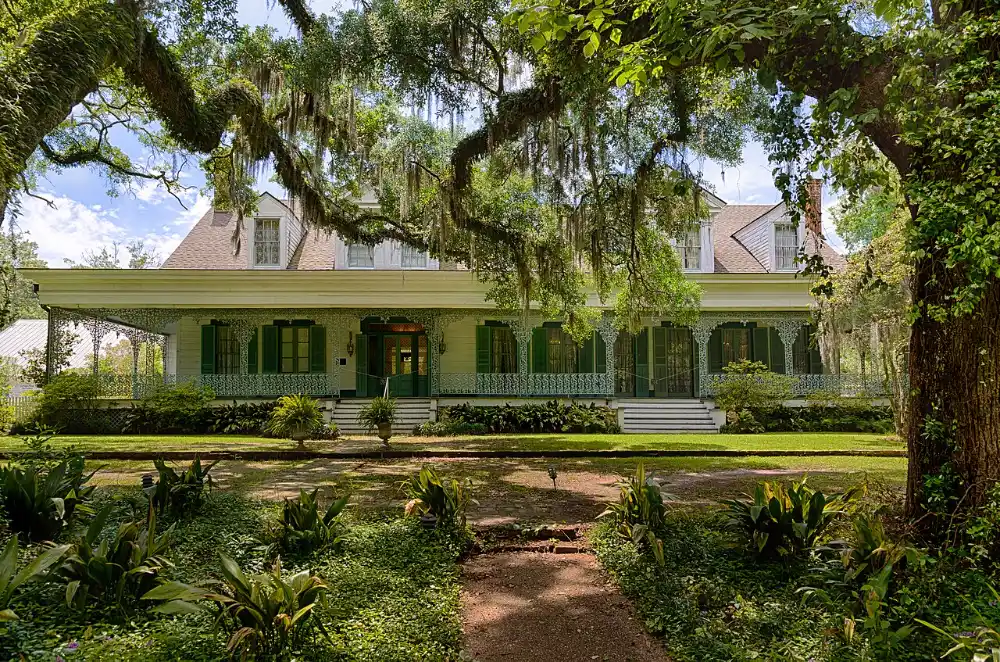
Chloe was caught eavesdropping and had her ear cut off as punishment. In revenge, she poisoned a birthday cake with oleander leaves. The judge’s wife and two daughters died in agony. Chloe was hanged by other slaves trying to avoid collective punishment.
Documented deaths at Myrtles:
| Year | Victim | Cause | Ghost Reports |
|---|---|---|---|
| 1823 | Wife & daughters | Poisoning | Seen in mirrors |
| 1868 | William Winter | Shot on porch | Footsteps heard |
| 1871 | Child | Yellow fever | Toys move alone |
| 1927 | Caretaker | Heart attack | Tools rearrange |
The plantation’s most famous spirit is Chloe, still wearing a turban to hide her missing ear. She appears in photographs and is seen caring for children who visit the plantation.
The house’s mirrors are said to contain trapped souls. Visitors regularly photograph unexplained faces and figures reflected in the glass.
Current owners operate the plantation as a bed and breakfast, but many guests check out early after encountering the supernatural residents.
20. Hotel Monte Vista, Arizona
Built in 1927, this Flagstaff hotel attracted Hollywood stars and wealthy travelers. But fame and fortune couldn’t prevent the tragedies that occurred within its walls.
Room 210 housed a long-term guest who hanged himself in the 1940s. The “Phantom Bellboy” knocks on doors at 3 AM, offering to carry bags that aren’t there. Multiple suicides occurred in various rooms during the Great Depression.
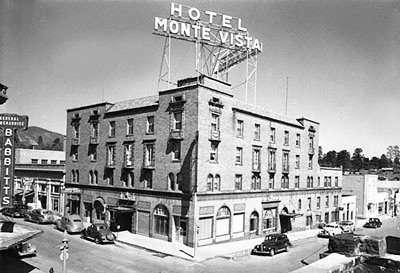
The hotel’s bar was the scene of a brutal murder in 1970. A jealous husband shot his wife and her lover, then turned the gun on himself. Staff and patrons report:
- Gunshots echoing from empty bar areas
- A woman crying near the jukebox
- Bourbon glasses sliding across tables untouched
- The jukebox playing 1940s music with no one operating it
Room 305 is considered the most haunted. Guests report a woman rocking in the corner chair all night. When they turn on the lights, the chair rocks empty. Hotel staff no longer rent this room to unsuspecting guests.
The third floor hallway is so active that housekeeping staff work in pairs. They report doors opening and closing, voices calling their names, and the elevator stopping at the third floor repeatedly throughout the day.
21. The Queen Mary, Long Beach, California
This retired ocean liner served as a luxury cruise ship, WWII troop transport, and now a floating hotel. The ship’s multiple purposes created layers of tragedy that still haunt its decks.
During WWII, the Queen Mary carried over 800,000 troops. Overcrowded and understaffed, disease spread rapidly. Hundreds died during voyages and were buried at sea. Many never made it home to their families.
The ship’s most haunted area is the engine room, where 18-year-old John Pedder was crushed by a watertight door in 1966. His ghost appears in blue coveralls, still trying to complete his duties.
Queen Mary paranormal hotspots:
- First-class pool: Children’s laughter and wet footprints appear
- Stateroom B340: Covers pulled off sleeping guests
- Engine room: Tools move and machinery operates alone
- Promenade deck: Passengers in 1930s clothing walk the rails
The ship’s isolation registry lists over 50 deaths that occurred onboard. Former crew members’ spirits are said to continue working their shifts decades after death.
Hotel guests regularly request room changes after encountering ghostly passengers. The ship’s phone system receives calls from empty rooms, and elevators move between decks with no operators.
22. Alcatraz Island, California
“The Rock” housed America’s most dangerous criminals from 1934 to 1963. The isolation, harsh conditions, and violent inmates created an atmosphere of desperation and despair that lingers today.
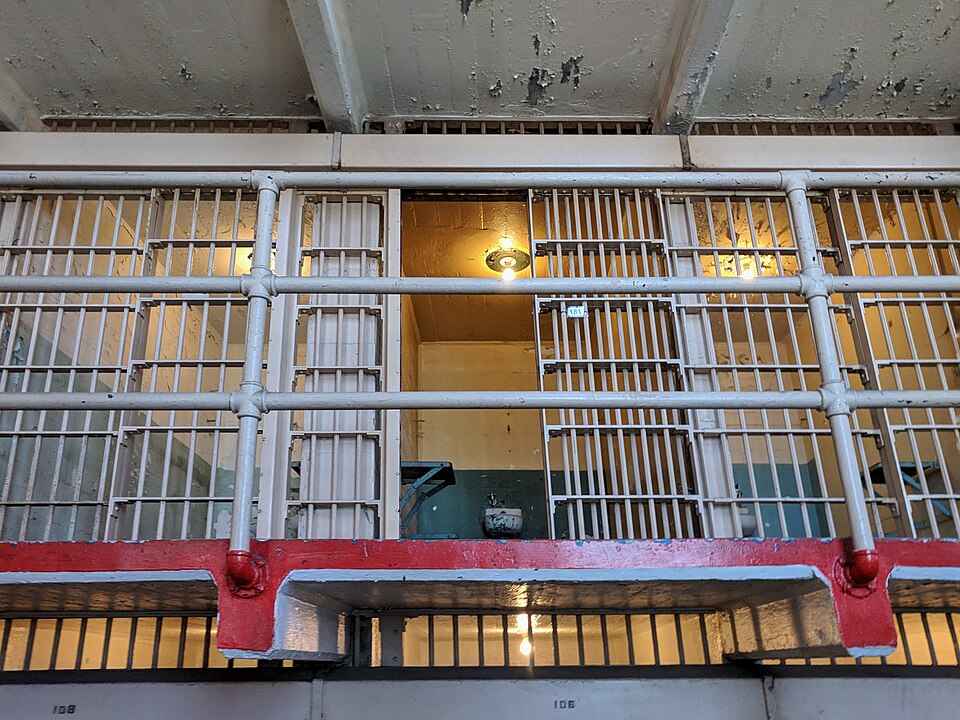
Multiple prisoners died during the 29-year operation, some from violence, others from suicide, and many from mysterious circumstances that remain unexplained. The most haunted area is Cell Block D, where prisoners were held in solitary confinement.
Cell 14D was known as “The Hole”—a pitch-black isolation cell where inmates often emerged insane or dead. One prisoner was found dead after a night of screaming about glowing eyes and burning hands. His body showed no signs of violence, but he appeared to have died of fear.
Rangers and tourists report:
- Screaming from empty cells
- Cold spots in Cell 14D
- Apparitions in prison uniforms
- The sound of prison doors slamming shut
The prison’s hospital, where desperate inmates tried to escape through self-mutilation, remains highly active. Visitors report seeing patients in hospital gowns and hearing surgical instruments being used.
23. Bachelor’s Grove Cemetery, Chicago, Illinois
This small cemetery in the woods has earned the reputation as “America’s Most Haunted Cemetery.” Active from the 1840s to 1960s, the cemetery fell into disrepair and became a dumping ground for murder victims.
Chicago mobsters used the isolated location to dispose of bodies during Prohibition. Many corpses were never found, and their spirits remain restless. The cemetery’s pond contains multiple unmarked graves.
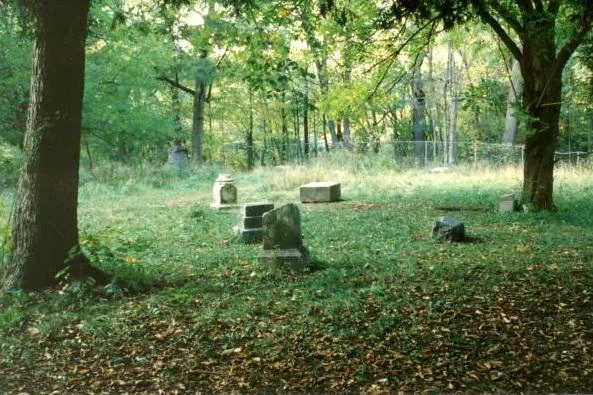
The cemetery’s most famous ghost is the White Lady, who appears carrying a baby. She walks between graves as if searching for something, then vanishes when approached. Photographers have captured her image hundreds of times.
Documented phenomena:
- Ghost lights: Reported nightly
- Phantom vehicles: 1940s cars appear and disappear
- Temperature drops: 20-30 degrees in seconds
- Physical contact: Visitors report being touched/pushed
The cemetery is officially closed, but paranormal investigators continue to gather evidence. Police patrol the area regularly due to reports of supernatural activity that disturb nearby residents.
24. St. Augustine Lighthouse, Florida
Built in 1874, this lighthouse has guided ships safely to shore for over 150 years. But tragedy struck during construction when three young girls fell to their deaths while playing on the construction site.
The Pittee sisters, aged 4, 6, and 8, were playing on a work cart that broke free and rolled into the ocean. All 3 drowned, and their bodies were never recovered. Their spirits remain at the lighthouse, still playing their eternal game.
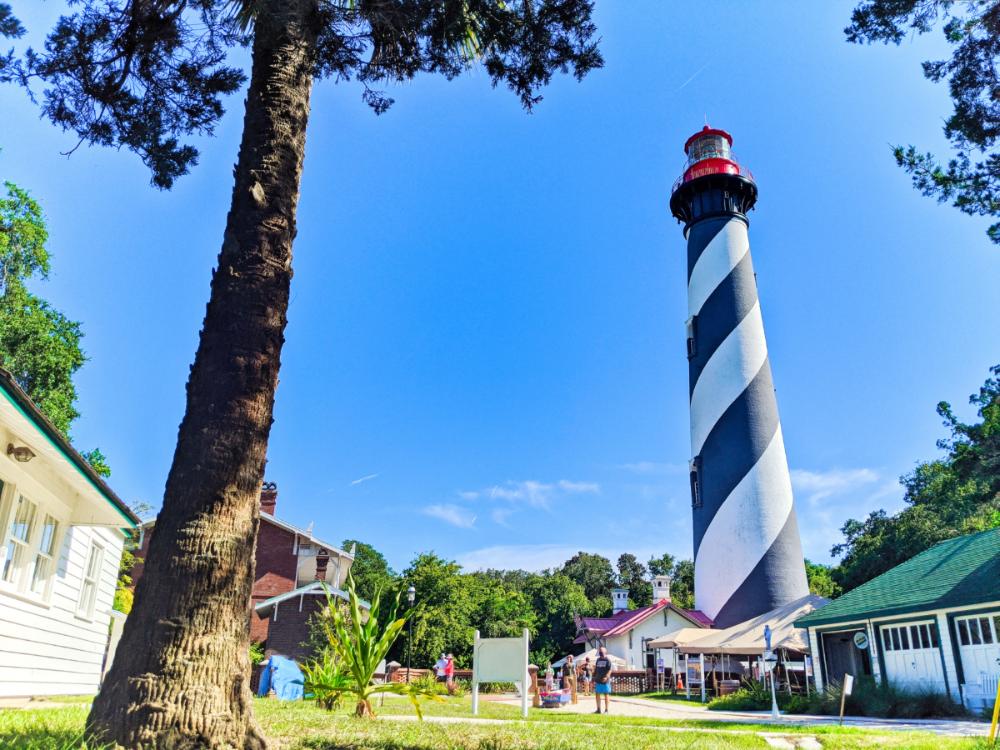
Lighthouse keepers and visitors report children’s laughter echoing from empty rooms, small handprints appearing on windows, toys moving on their own in the gift shop, and occasionally 3 young girls in period dress are playing on the grounds.
The lighthouse lamp room is particularly active. The mechanism operates on its own, and keepers report seeing children climbing the spiral staircase when no children are present.
Lighthouse tragedies:
- 1876: Three Pittee sisters drown
- 1859: Previous lighthouse keeper dies in a fall
- 1944: Coast Guard member falls from tower
- Multiple shipwrecks: Hundreds of deaths offshore
Modern lighthouse staff work in pairs after sunset. They report equipment malfunctions, cold spots, and the sensation of being watched from empty corners.
25. The Whaley House, San Diego, California
Built in 1857 on the site of San Diego’s former gallows, the Whaley House earned recognition from the U.S. Commerce Department as officially haunted, one of only two houses in America with this designation.
The house was built over the exact spot where “Yankee Jim” Robinson was executed in 1852. His hanging was botched, the rope was too long, and his feet touched the ground. He strangled slowly while spectators watched in horror.
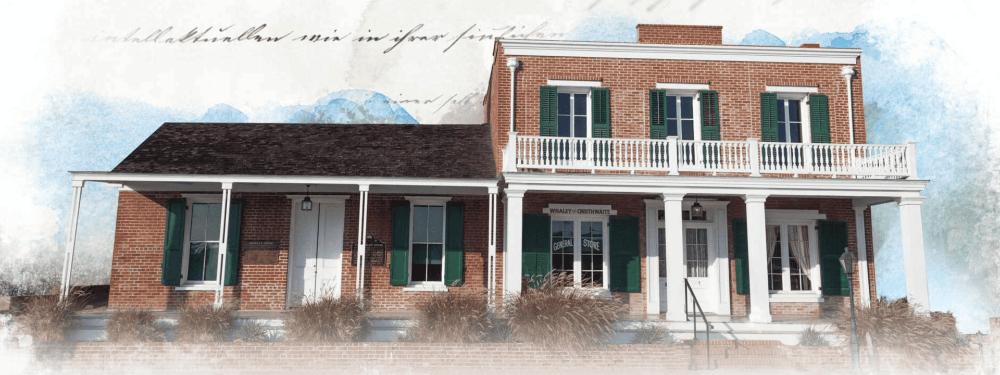
Thomas Whaley, the house’s builder, reported heavy footsteps throughout the house from the day they moved in. The family endured multiple tragedies within these walls, including the suicide of their daughter Violet.
Documented paranormal activity includes: heavy footsteps in the upstairs hall (believed to be Yankee Jim), piano music from the parlor when no one is present, a woman in period dress (Violet Whaley) in various rooms, and cold spots and electromagnetic disturbances.
Whaley family tragedies:
- 1858: Son Thomas dies at 17 months
- 1885: Daughter Violet commits suicide
- 1890: Son Francis dies of consumption
- Multiple financial disasters force the family to move
The house operates as a museum, but staff members report daily paranormal encounters. Visitors regularly photograph unexplained figures in windows and doorways.
Security cameras capture objects moving throughout the house after closing time. The Whaley House remains San Diego’s most investigated paranormal location.