
Europe has a way of pulling you in. Maybe it’s the layered history, the food, or the architecture that makes you stop mid-step. If you’re building a bucket list, Europe deserves its own chapter.
- 1. Eiffel Tower in Paris
- 2. Big Ben in London
- 3. Sagrada Família in Barcelona
- 4. Colosseum in Rome
- 5. Anne Frank House in Amsterdam
- 6. Neuschwanstein Castle in Bavaria
- 7. Stonehenge in Wiltshire
- 8. The Alhambra in Granada
- 9. Mont Saint-Michel in Normandy
- 10. Cliffs of Moher in County Clare
- 11. Schönbrunn Palace in Vienna
- 12. Jungfraujoch in the Swiss Alps
- 13. Blue Lagoon in Iceland
- 14. Norwegian Fjords
- 15. Gamla Stan in Stockholm
- 16. Skansen in Stockholm
- 17. Hill of Three Crosses in Vilnius
- 18. Santorini Caldera in Greece
- 19. St. Peter’s Basilica in Vatican City
- 20. Sistine Chapel in Vatican City
- 21. Cinque Terre in Italy
- 22. Amalfi Coast in Italy
- 23. Dubrovnik Old Town in Croatia
- 24. Acropolis in Athens
- 25. Pompeii in Italy
- 26. Charles Bridge in Prague
- 27. Hallstatt in Austria
- 28. Auschwitz-Birkenau in Poland
- 29. Plitvice Lakes in Croatia
- 30. Bran Castle in Transylvania
- Read more
These 30 Europe bucket list places represent the landmarks and experiences that people travel thousands of miles to see. Some are world-famous. Others might surprise you.
1. Eiffel Tower in Paris
The Eiffel Tower doesn’t need an introduction. It’s the symbol of Paris and arguably the most famous structure in Europe. What surprises people is how it changes throughout the day. In the morning, it catches soft light against the city skyline. At night, it sparkles on the hour.
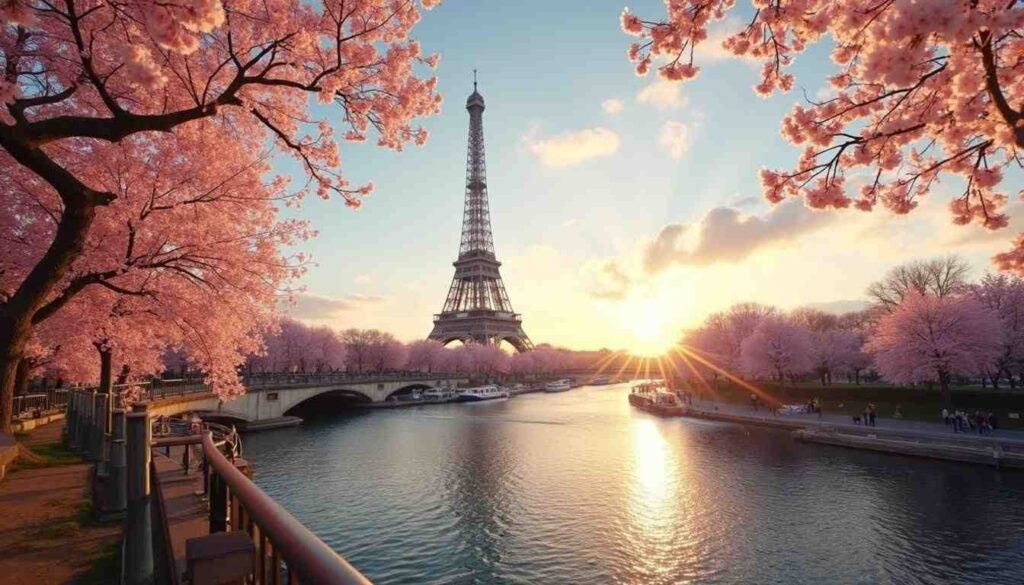
You can admire it from Trocadéro for the classic photo op, or book a ticket to climb. The second level gives you the best balance of views and atmosphere. If you want to go all the way to the top, prepare for lines and serious wind.
Visit just before sunset, stay through the first light show, and grab a crepe from a nearby stand. That’s peak Paris.
2. Big Ben in London
Big Ben technically refers to the bell inside the tower, not the tower itself. It sits at the north end of the Houses of Parliament, overlooking the Thames, and has been keeping time for London since 1859.
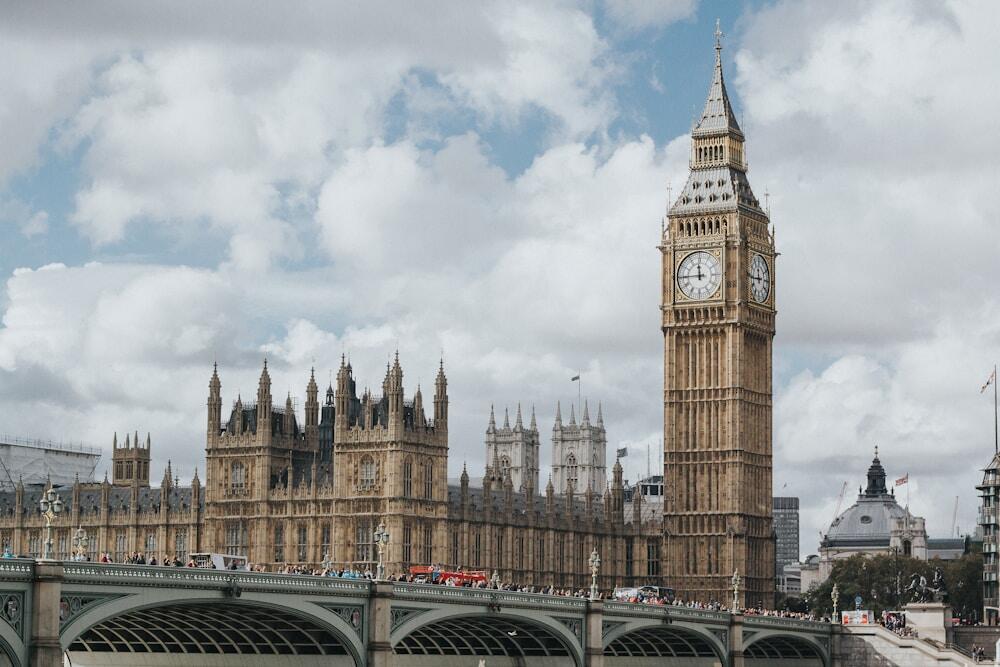
Tickets are released 3 months in advance, on the second Wednesday of every month at 10 am. Though the magic of Big Ben is the view from outside. Stand on Westminster Bridge at dusk, watch the clock face glow, and let the chimes ring out. Pair your visit with a walk along the South Bank for views of the London Eye and street performers.
3. Sagrada Família in Barcelona
Gaudí started building the Sagrada Família in 1882, and it still isn’t finished. That might sound like a flaw, but it’s part of the appeal. The basilica blends Gothic architecture with Art Nouveau curves, and the result is unlike anything else on the planet.
Inside, stained glass windows throw color across every surface. The columns branch like trees. It’s overwhelming in the best way. Book tickets in advance because lines can stretch for hours.
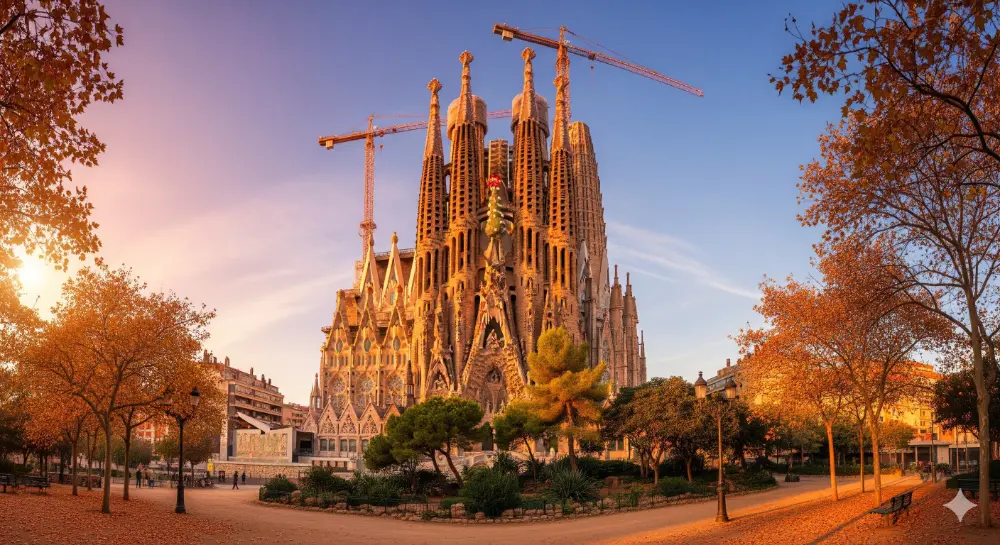
The morning light through the eastern windows is some of the most beautiful you’ll ever see in a building.
Outside, the Nativity Facade tells biblical stories through intricate stone carvings, while the Passion Facade takes a starker approach. Take your time with both.
4. Colosseum in Rome
The Colosseum is almost 2,000 years old, and it still dominates the Roman skyline. Walking through the arches, you can imagine the roar of 50,000 spectators watching gladiators fight. Even in partial ruins, the structure communicates power and spectacle.
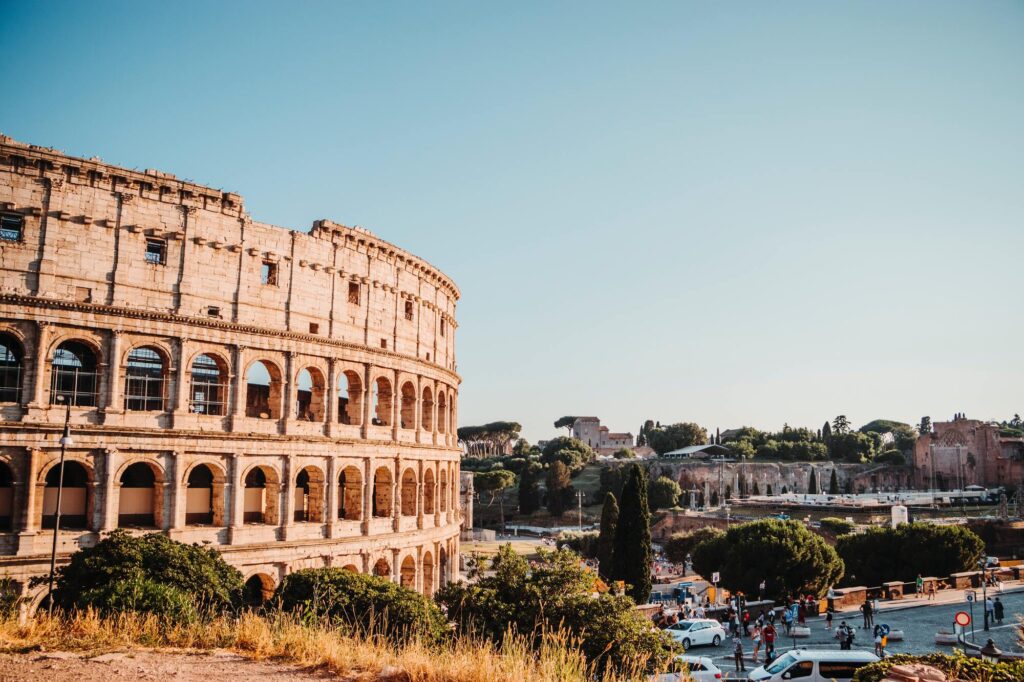
Book a guided tour that includes the underground levels. That’s where gladiators waited before entering the arena, and where animals were kept in cages.
| Ticket type | What’s included |
|---|---|
| Standard | Colosseum, Roman Forum, Palatine Hill |
| Full Experience | Adds underground and arena floor access |
| Guided tour | Expert commentary and skip-the-line entry |
Visit early in the morning or late afternoon to dodge crowds. Don’t rush through the Roman Forum afterward.
5. Anne Frank House in Amsterdam
The Anne Frank House is a museum built around the secret annex where Anne Frank and her family hid from the Nazis for two years. Walking through the rooms, you see the bookcase that concealed the entrance and Anne’s small bedroom where she wrote her famous diary.
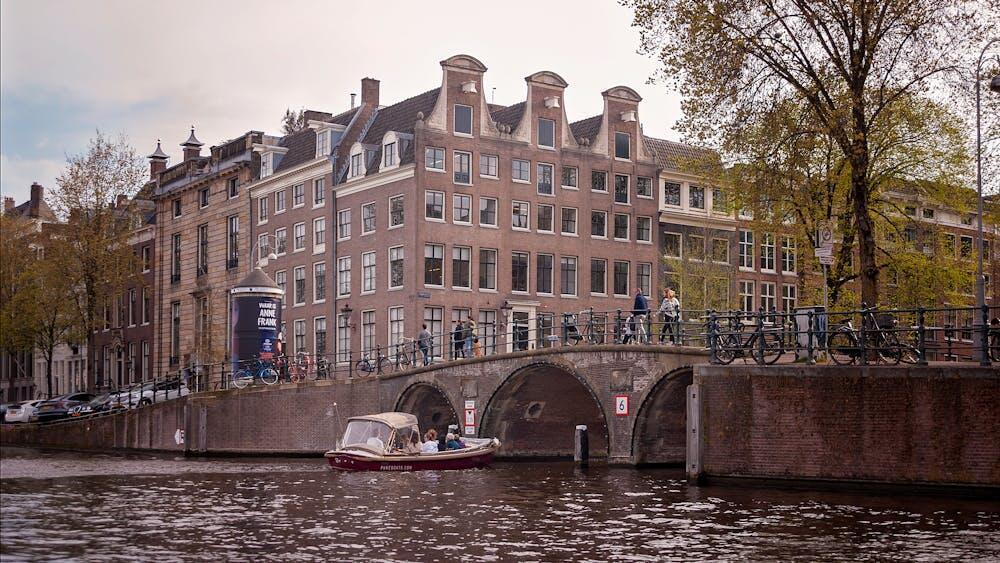
The museum places Anne’s story in context, with exhibits about the Holocaust and the people who helped the family hide. You’ll leave with a deeper understanding of history and human courage.
“I still believe, in spite of everything, that people are truly good at heart.” – Anne Frank
That line hits differently when you’re standing where Anne wrote it.
Tickets sell out weeks in advance. They release new time slots every Tuesday morning.
6. Neuschwanstein Castle in Bavaria
Neuschwanstein looks like it belongs in a fairy tale. King Ludwig II built it in the 19th century as a personal refuge, inspired by medieval legends. Walt Disney later used it as the model for Sleeping Beauty’s castle.

The castle sits on a hilltop in the Bavarian Alps, surrounded by forest. Getting there involves a steep walk or shuttle ride, but the view from Marienbrücke, a bridge spanning a gorge behind the castle, is worth every step.
Inside, the rooms drip with ornate detail. The singer’s hall features painted scenes from the legend of Parsifal.
7. Stonehenge in Wiltshire
Stonehenge raises more questions than it answers. Who built it? How did they move 25-ton stones without wheels? Why did they align it with the summer solstice? No one knows for sure.
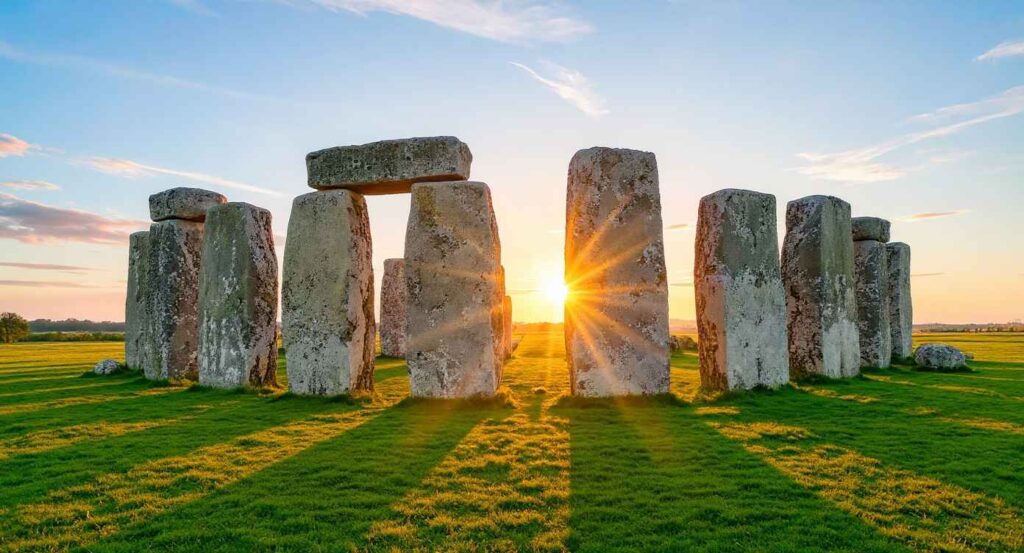
The stone circle sits on Salisbury Plain, about 90 miles from London. You can walk a path around the stones during regular visits. For a more intimate experience, book a special access tour at sunrise or sunset to get inside the circle.
The visitor center covers the site’s construction. Don’t skip it.
8. The Alhambra in Granada
The Alhambra is a palace complex from Moorish Spain and one of the most beautiful places in Europe. Red fortress walls rise above Granada, but inside, the decoration is delicate. Intricate tile work, carved stucco, and courtyards with reflecting pools create a sense of calm and artistry.
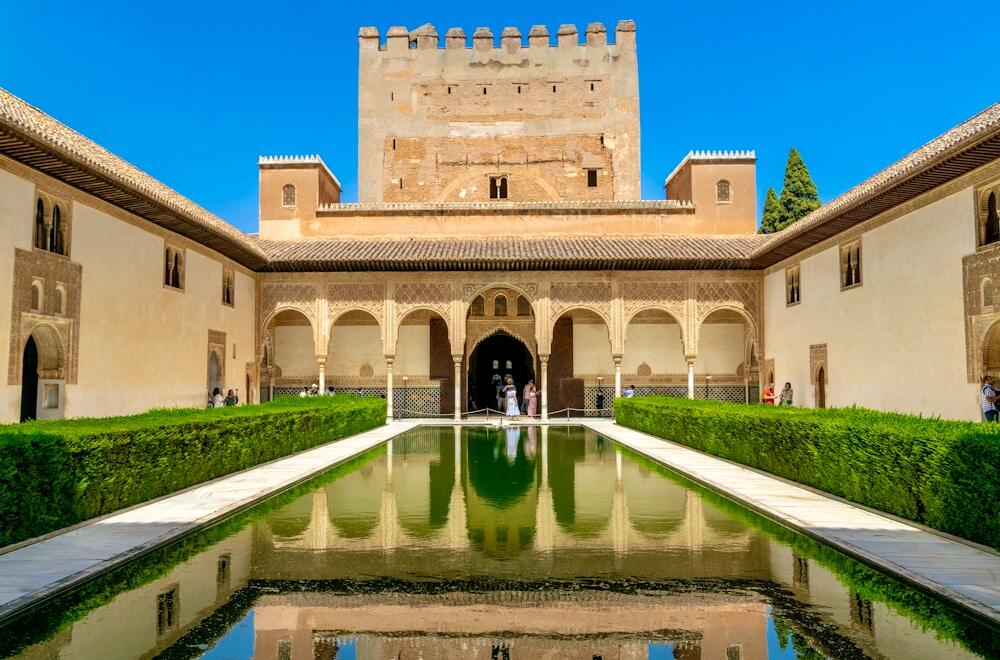
The Nasrid Palaces are the highlight. Each room flows into the next, with geometric patterns covering every surface. The Court of the Lions, with its famous fountain, is the emotional center of the complex.
The Alhambra influenced architecture across the Islamic world. Standing in the Court of the Myrtles, you’ll understand why.
9. Mont Saint-Michel in Normandy
Mont Saint-Michel is a medieval abbey built on a rocky island off the coast of Normandy. At high tide, water surrounds it completely. At low tide, you can walk across the sand.
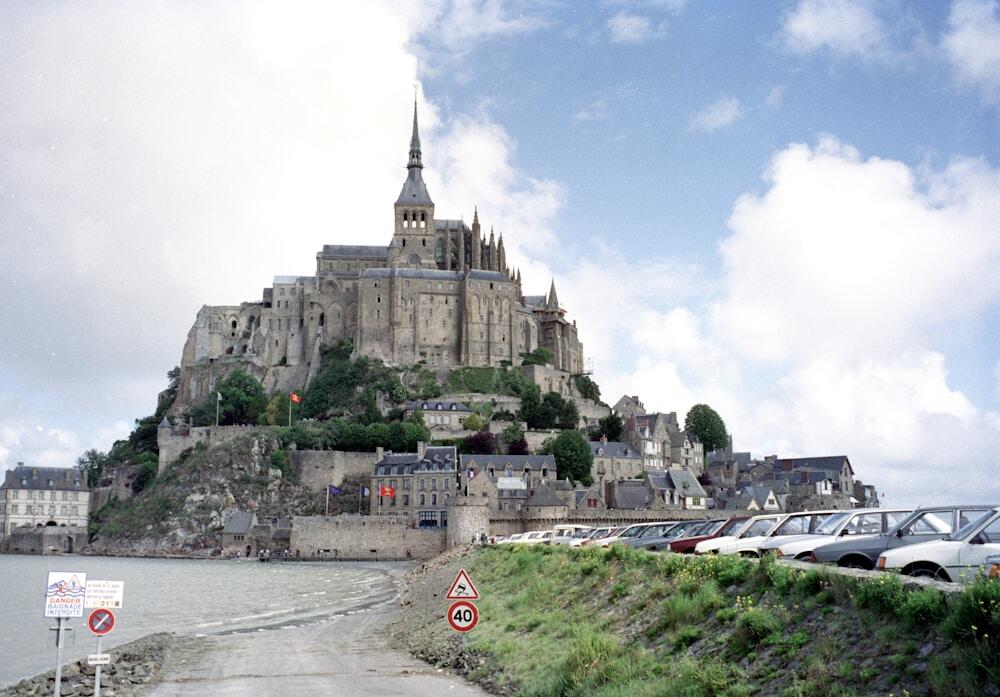
The village climbs the hill in narrow streets lined with shops. At the top, the abbey has panoramic views and centuries of history. Monks have lived here since the 8th century.
| High tide | Island surrounded by water, dramatic photos |
| Low tide | Walk on the sand flats, explore the bay |
Stay overnight if you can. After day-trippers leave, the island quiets down.
10. Cliffs of Moher in County Clare
The Cliffs of Moher stretch for five miles along Ireland’s west coast, dropping 700 feet into the Atlantic. On a clear day, you can see the Aran Islands. On a stormy day, waves crash against the cliff base and sea spray rises halfway up.
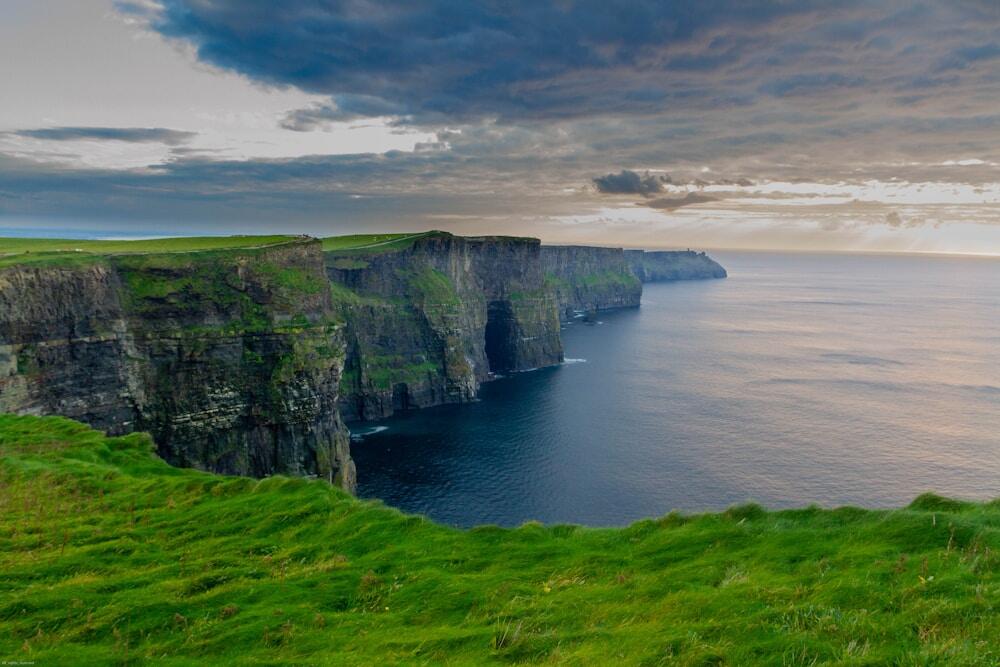
Follow the path north toward O’Brien’s Tower for increasingly dramatic views. The edges are unfenced in places, so watch your step.
The light changes constantly here. Give yourself at least two hours and let the Atlantic work its magic. Arriving early or late helps you avoid crowds. Sunset turns the cliffs gold.
11. Schönbrunn Palace in Vienna
Schönbrunn was the summer residence of the Habsburg dynasty. The main building has 1,441 rooms. The gardens stretch for acres, including fountains, a maze, and a hilltop pavilion called the Gloriette.
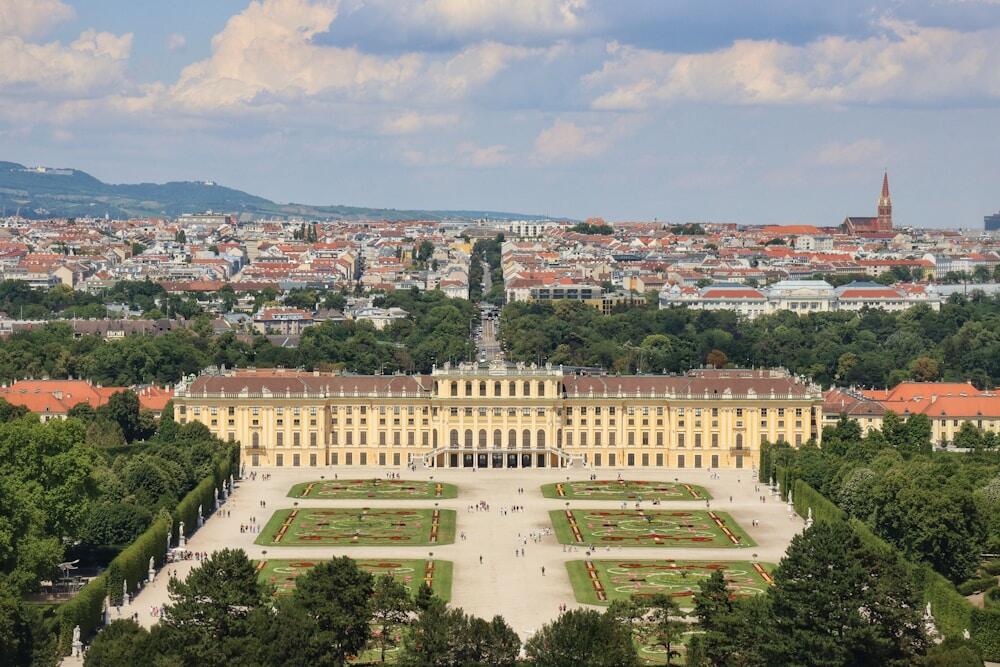
Inside, the Grand Tour route takes you through 40 state rooms filled with Rococo decor. Mozart performed here as a child. Marie Antoinette grew up here before moving to Versailles.
- Take the Grand Tour for the full 40-room experience
- Don’t skip the gardens and Gloriette for city views
- Visit the palace zoo, the oldest in the world
Budget half a day to see the highlights.
12. Jungfraujoch in the Swiss Alps
Jungfraujoch calls itself the Top of Europe. At 11,332 feet, it’s the highest railway station on the continent. You reach it by cogwheel train, winding through tunnels carved into the Eiger and Mönch mountains.
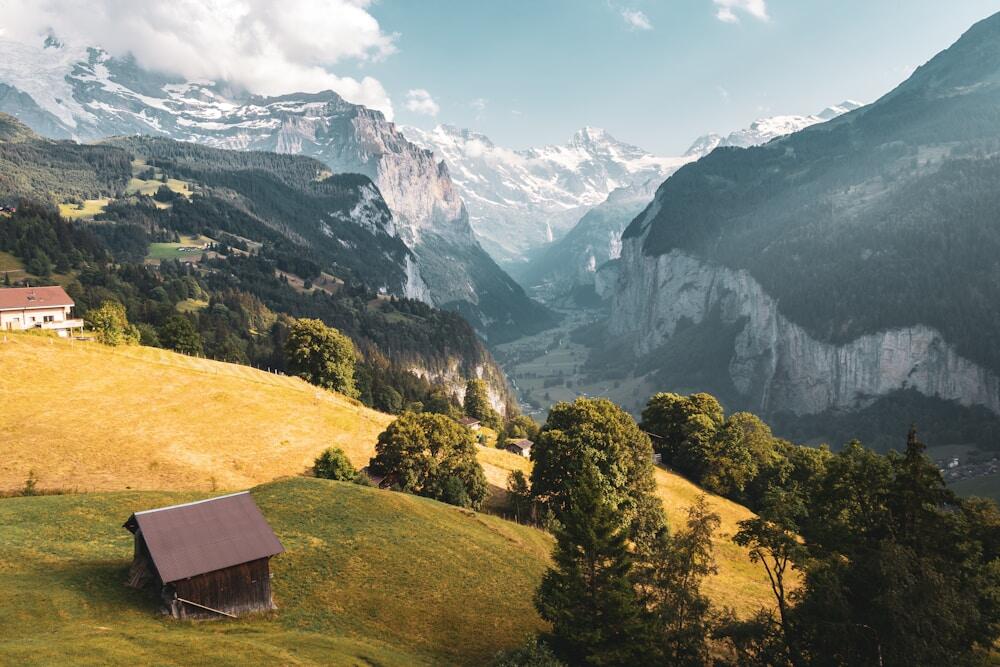
At the top, you’ll find an observation deck, an ice palace carved into the glacier, and a snow plateau where you can walk outside year-round. On a clear day, you can see all the way to Germany.
13. Blue Lagoon in Iceland
The Blue Lagoon is a geothermal spa about 40 minutes from Reykjavik. Milky-blue water fills a pool surrounded by black lava rock, and steam rises into the cold air. It’s surreal and incredibly relaxing.
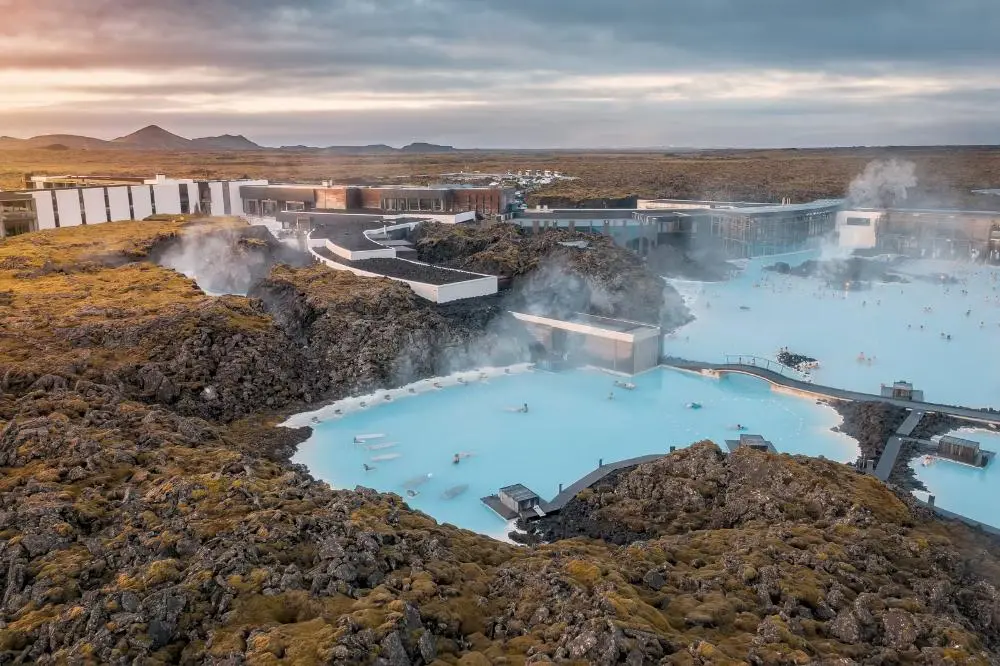
The water hovers around 100°F year-round, rich with silica and minerals. Guests slather on mud masks and float between rock formations. A swim-up bar serves drinks you can sip while soaking.
| Package level | What’s included |
|---|---|
| Comfort | Entry, towel, one drink, silica mask |
| Premium | Adds robe, slippers, second mask |
| Retreat Spa | Private lounge, additional treatments |
Book in advance, especially during peak season. Sunset slots have moody lighting and smaller crowds.
14. Norwegian Fjords
The fjords of western Norway look like nature showing off. Sheer cliffs drop thousands of feet to narrow waterways. Waterfalls cascade down rock faces. Tiny villages cling to the shoreline.
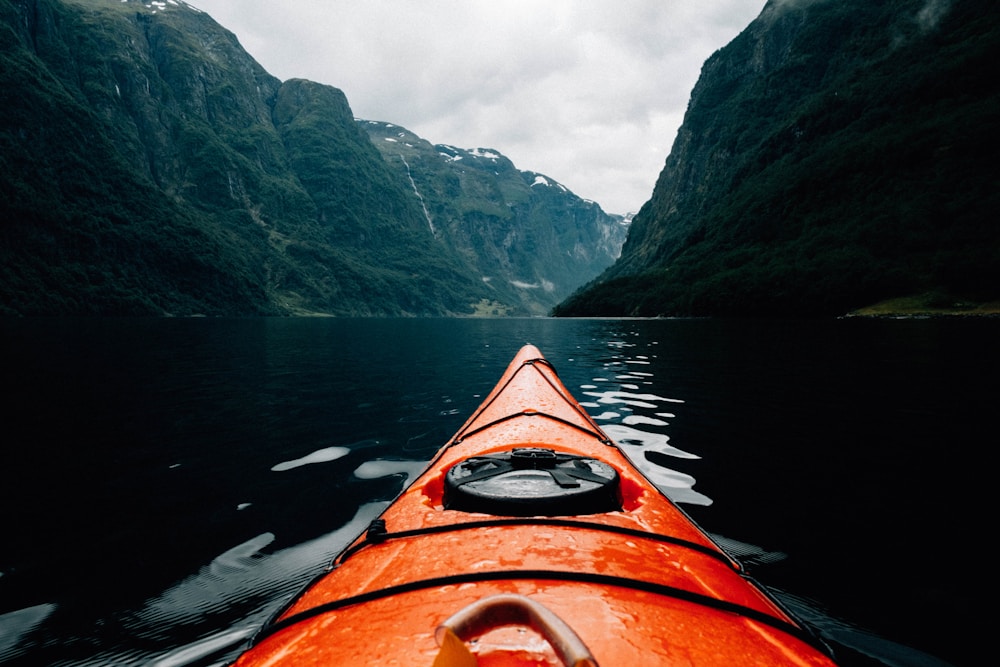
Geirangerfjord and Nærøyfjord are UNESCO World Heritage Sites. You can cruise through them on a ferry, kayak along the edges, or hike to viewpoints. Trolltunga, a rock formation jutting over a 2,300-foot drop, has become one of Norway’s most photographed spots.
The fjords are best experienced slowly. Take the ferry, stop in small towns, and let the scale sink in.
- Best months to visit: May through September
- Flåm Railway is one of the world’s most scenic train rides
- Consider a Hurtigruten coastal voyage for a multi-day experience
15. Gamla Stan in Stockholm
Gamla Stan is Stockholm’s old town and one of the best-preserved medieval city centers in Europe. Cobblestone streets wind between colorful buildings. The narrowest alley, Mårten Trotzigs Gränd, is less than three feet wide.
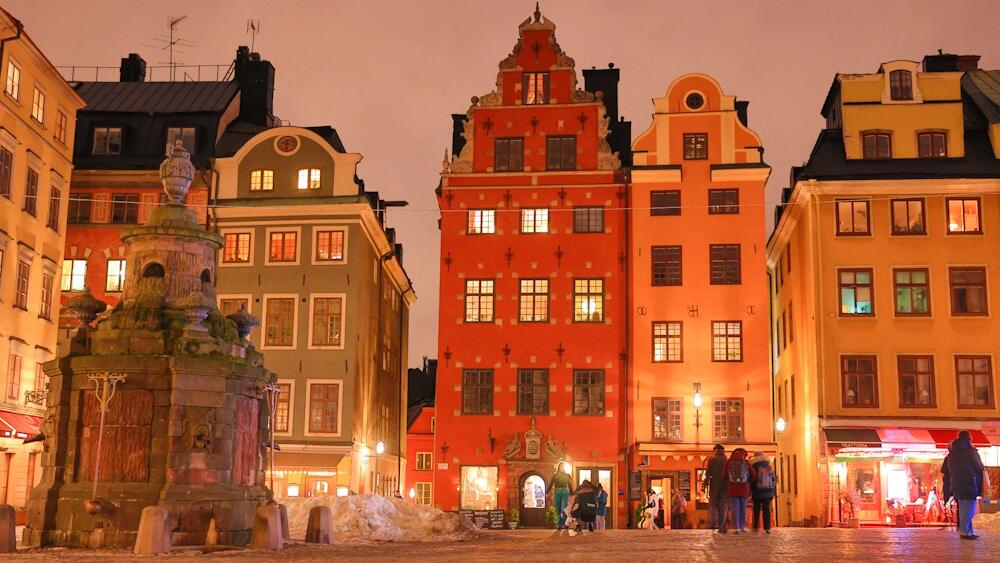
Stortorget, the main square, is flanked by merchant houses and cafes. The Nobel Prize Museum sits here. The Royal Palace anchors the northern edge and is one of the largest palaces in Europe. You can watch the changing of the guard at midday.
16. Skansen in Stockholm
Skansen is the world’s oldest open-air museum. More than 150 historic buildings have been relocated here, including farmhouses, windmills, and a church. Staff in period costume demonstrate traditional crafts like glassblowing and bread baking.
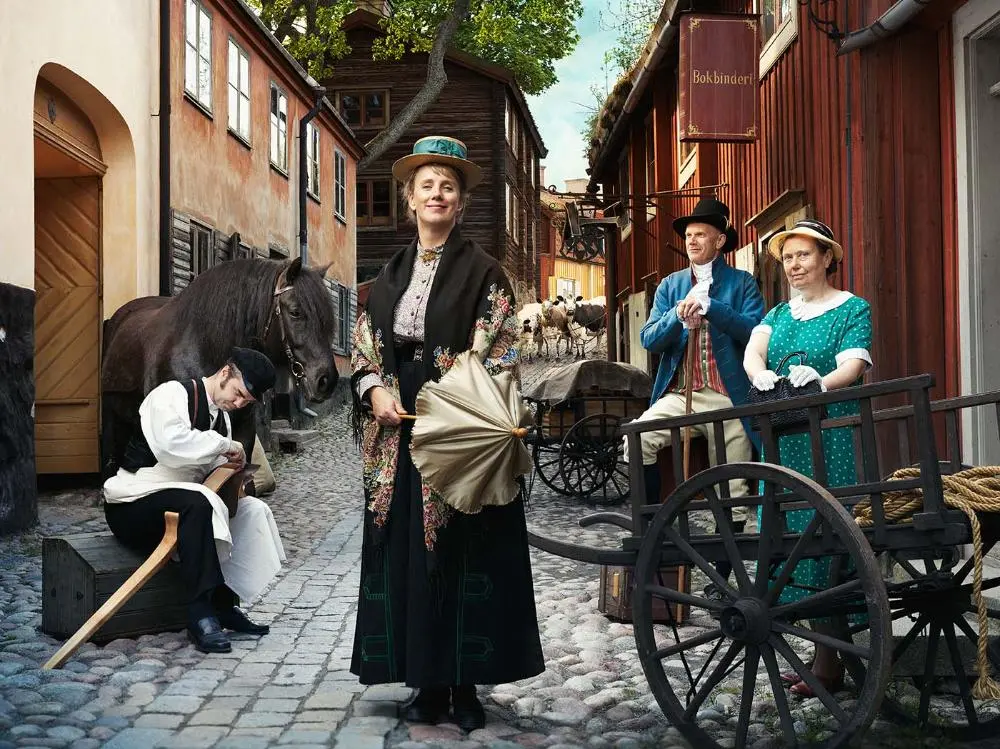
The park also functions as a zoo with Nordic animals like moose, brown bears, and seals. It’s spread across a hillside on Djurgården island with excellent views over Stockholm.
Skansen feels different in every season. Visit during Midsummer for dancing around the maypole, or in December for traditional Christmas markets.
17. Hill of Three Crosses in Vilnius
The Hill of Three Crosses overlooks Vilnius from a forested ridge. Three white crosses stand at the summit, a monument destroyed and rebuilt multiple times. The current crosses date from 1989, when Lithuania was pushing for independence.
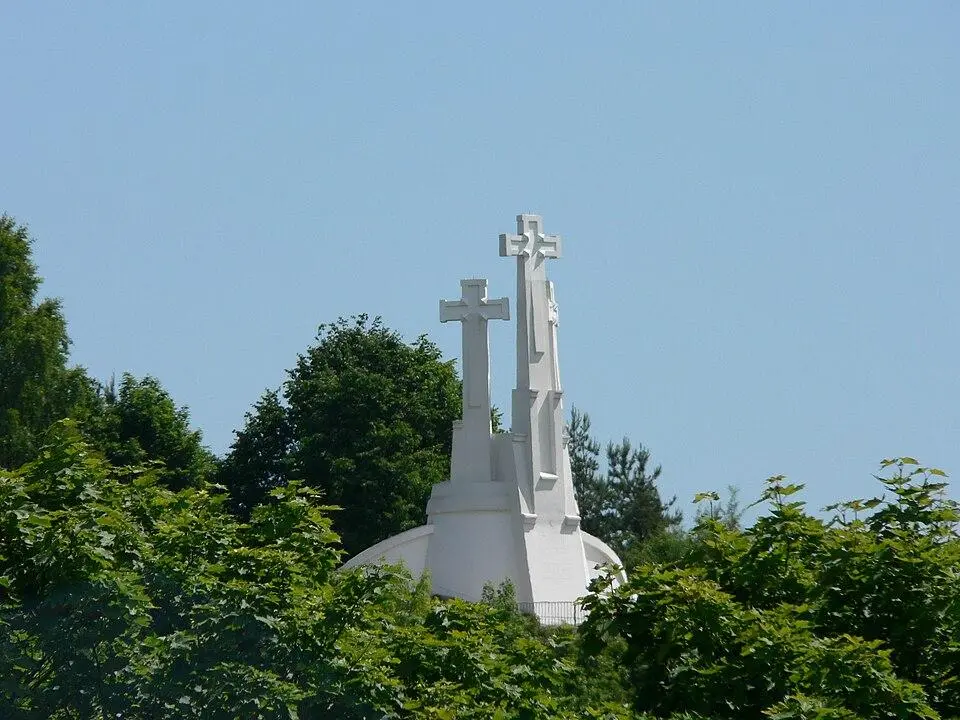
The hike takes about 15 minutes and rewards you with panoramic views of red rooftops, church spires, and the Neris River. Vilnius itself is a hidden gem with a UNESCO-listed Old Town.
18. Santorini Caldera in Greece
Santorini’s caldera remains from a volcanic eruption over 3,500 years ago. The sea flooded the crater, and villages were built along the rim. White-washed buildings with blue domes cling to the cliffs.
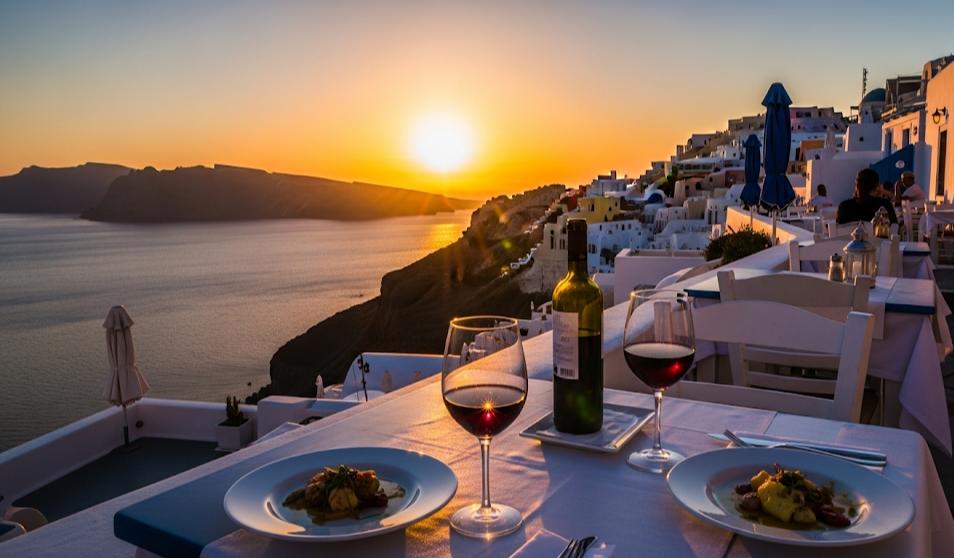
Oia is the most photographed town, famous for sunset views. Crowds gather every evening at the castle ruins. Fira, the capital, has more dining options and boat tour access.
Skip the crowds at Oia and watch sunset from a restaurant terrace in Imerovigli instead. Take a boat trip to the volcanic islands in the center. You can hike to the crater and swim in hot springs.
19. St. Peter’s Basilica in Vatican City
St. Peter’s Basilica is the largest church in the world. The nave stretches over 600 feet. Michelangelo’s dome rises 448 feet above the floor. Marble, gold, and mosaic cover every surface.
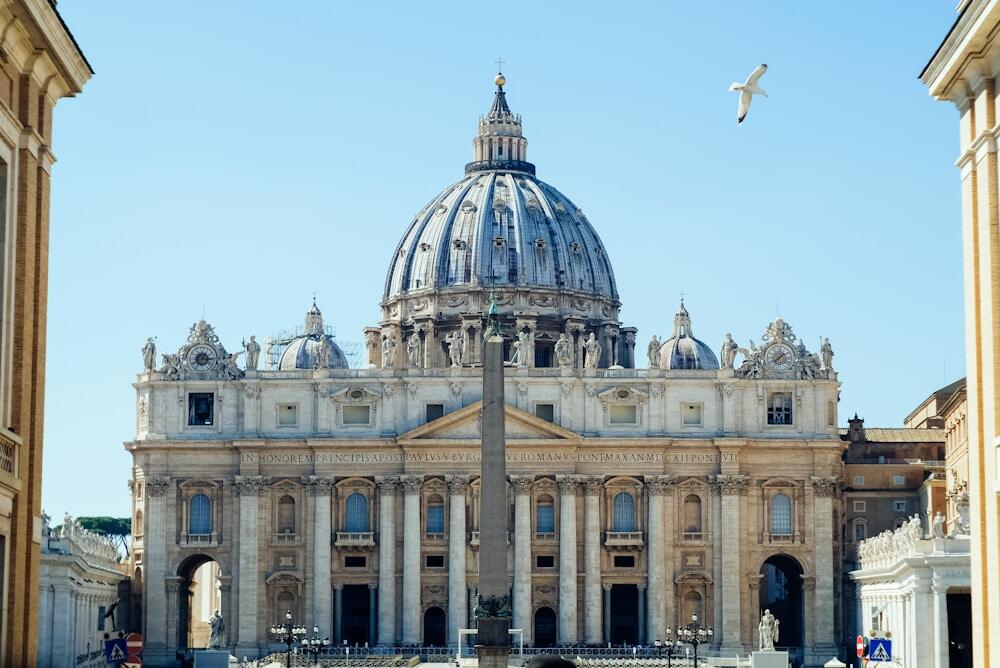
Highlights include Michelangelo’s Pietà near the entrance and Bernini’s bronze baldachin over the main altar. You can descend to the Vatican Grottoes to see papal tombs, or climb the dome for views over Rome.
- Entry to the basilica is free
- Dome climb costs extra and involves 551 steps
- Dress code enforced: no bare shoulders or knees
Arrive early to beat lines, especially for the dome climb.
20. Sistine Chapel in Vatican City
The Sistine Chapel is small and usually packed, but nothing prepares you for that ceiling. Michelangelo painted it over four years, lying on scaffolding. The result is one of the greatest artistic achievements in history.
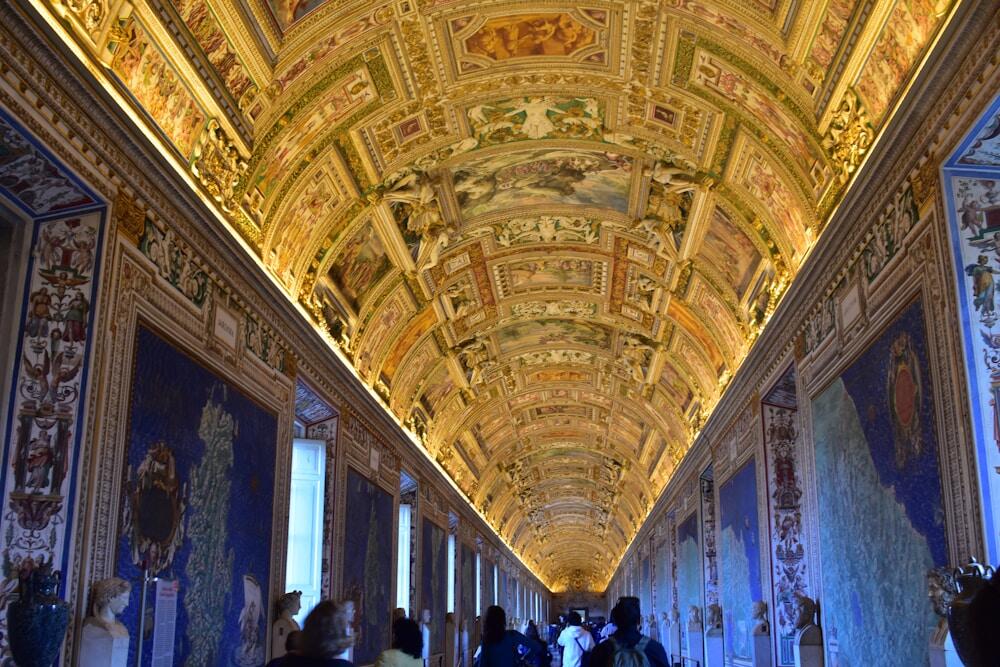
The ceiling tells stories from Genesis. The Last Judgment covers the altar wall, painted decades later in a darker style.
Guards enforce silence inside, but the room buzzes with whispered awe. Bring binoculars to catch details. The Sistine Chapel is part of the Vatican Museums. Budget at least three hours for the whole experience.
21. Cinque Terre in Italy
Cinque Terre is a string of five fishing villages along the Italian Riviera. Hiking trails connect them through vineyards and along cliffsides. Cars can’t access most villages, keeping them frozen in a slower era.
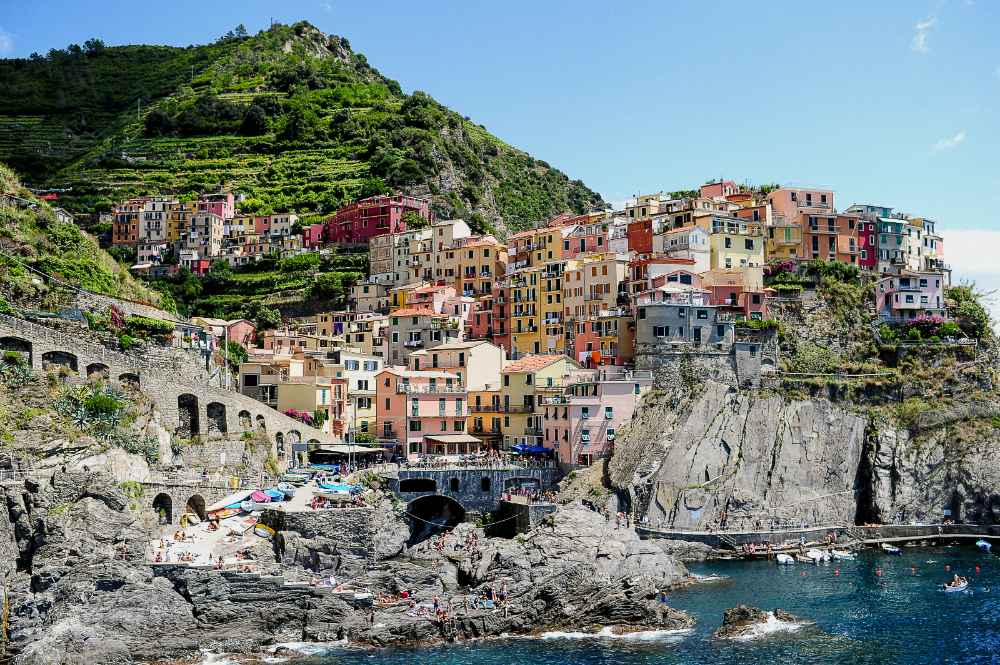
Each town has its own personality. Monterosso has the biggest beach. Vernazza has a small harbor and a ruined castle. Manarola produces excellent wine.
| Monterosso | Sandy beach, lemon groves |
| Vernazza | Picturesque harbor, seafood |
| Corniglia | Hilltop setting, quiet atmosphere |
| Manarola | Wine, sunset views |
| Riomaggiore | Colorful buildings, easy access |
22. Amalfi Coast in Italy
The Amalfi Coast is a 30-mile stretch of cliffside road south of Naples. Lemon trees grow on terraced hillsides. Colorful boats bob in tiny harbors. The water shifts between turquoise and deep blue.
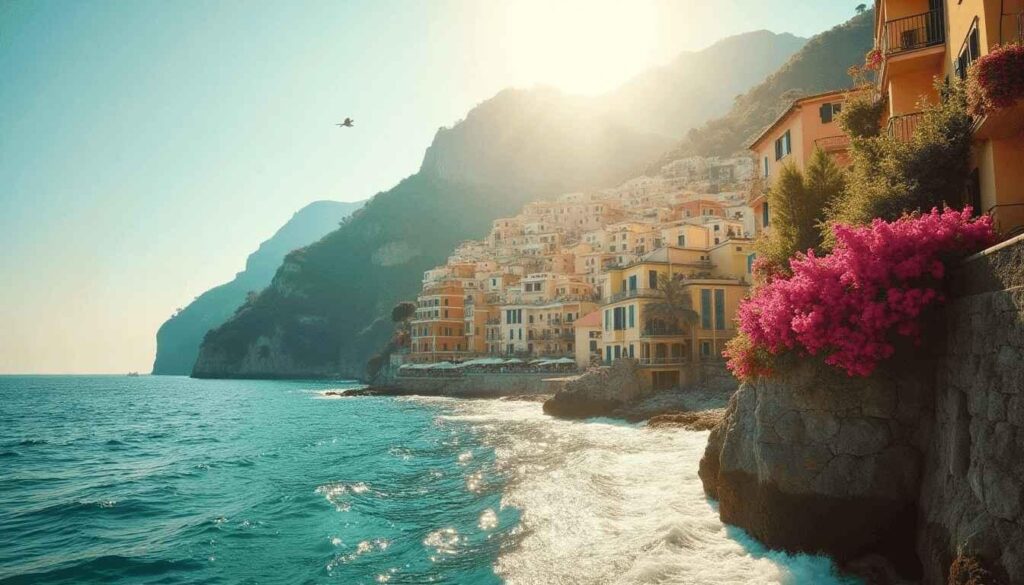
Positano is the most famous town, its buildings cascading toward a pebble beach. Amalfi has a striking cathedral. Ravello sits higher in the hills with gardens that have some of the best views.
Driving the coast yourself is thrilling but stressful. Consider hiring a driver or taking the ferry.
23. Dubrovnik Old Town in Croatia
Dubrovnik’s Old Town is a walled city on the Adriatic, so well preserved it doubles as a filming location for fantasy kingdoms. Game of Thrones fans will recognize it immediately.
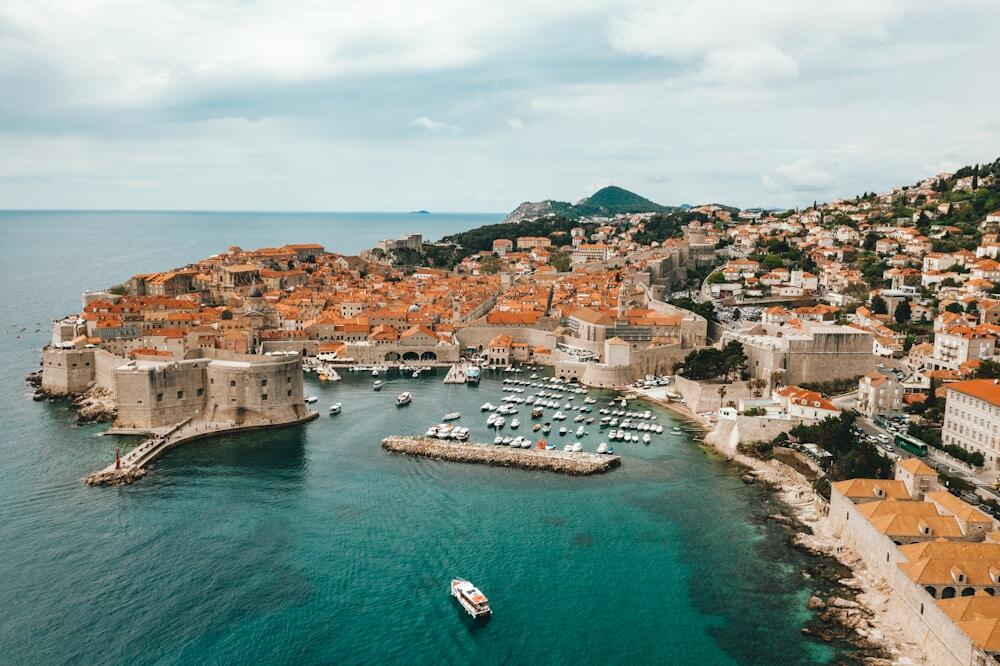
Walking the city walls is essential. The full loop takes about two hours with views into courtyards and out to the island of Lokrum. Early morning is best, before the heat and cruise ship crowds arrive.
- Stradun is the main street, lined with cafes
- Take the cable car to Mount Srđ for sunset views
- Swim at Banje Beach, just outside the walls
Stay overnight to experience the Old Town after day-trippers leave.
24. Acropolis in Athens
The Acropolis has watched over Athens for nearly 2,500 years. The Parthenon crowns the hilltop, its columns visible from almost anywhere in the city. Even in ruins, it communicates ancient Greece’s ambition and artistry.
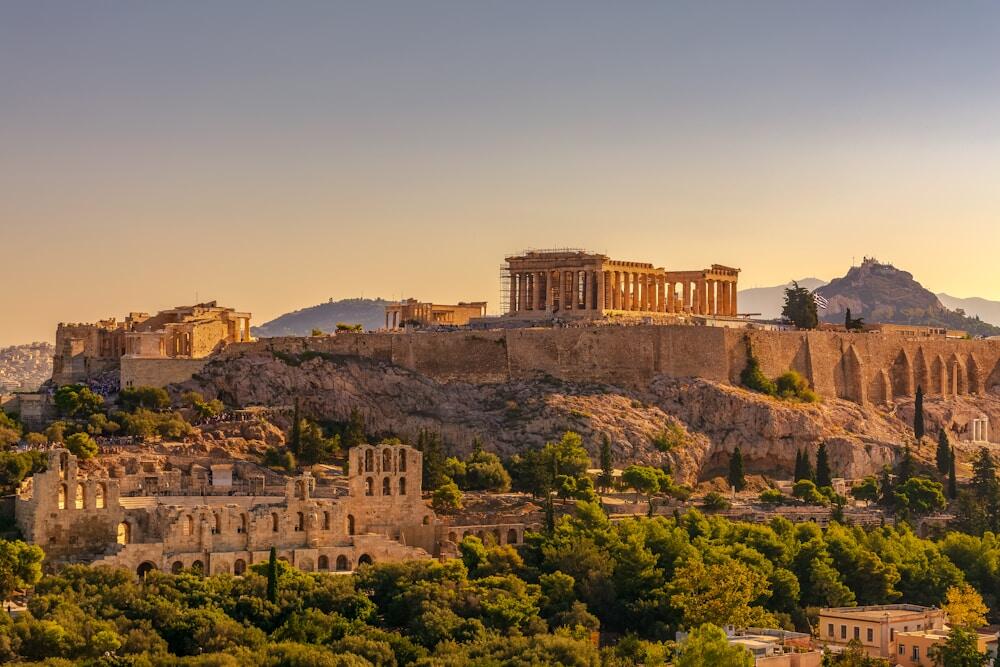
Climbing the hill takes about 15 minutes. Along the way, you’ll pass the Theater of Dionysus, where Greek drama was born. At the top, the Erechtheion features the famous Porch of the Caryatids.
Go early. By midday, the marble reflects the sun like a mirror. The Acropolis Museum at the base houses sculptures and artifacts that enrich the whole visit.
25. Pompeii in Italy
Pompeii was buried by Mount Vesuvius in 79 AD, and the ash preserved the city in extraordinary detail. Walking the ancient streets, you see bakeries with millstones still in place and plaster casts of people caught in the eruption.
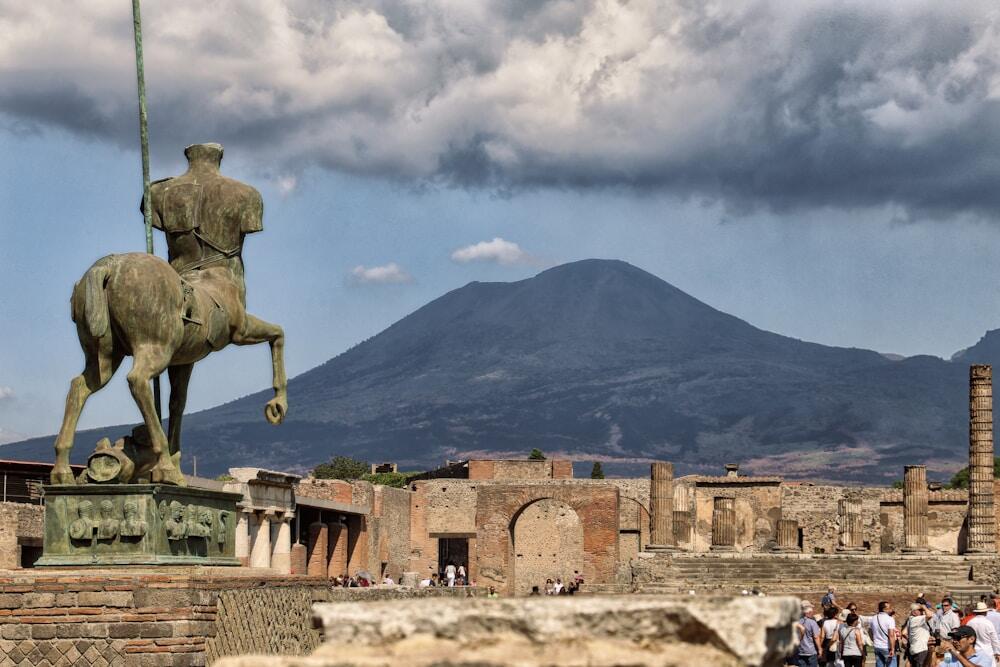
The site covers about 170 acres. A focused visit takes three to four hours.
| Forum | Heart of public life |
| House of the Faun | Largest and most elaborate home |
| Garden of the Fugitives | Plaster casts of victims |
| Amphitheater | Oldest surviving Roman arena |
Bring water, wear a hat, and prepare for uneven terrain. The site has little shade.
26. Charles Bridge in Prague
Charles Bridge is a 14th-century stone bridge lined with 30 Baroque statues of saints. It spans the Vltava River, connecting Prague’s Old Town with the castle district.
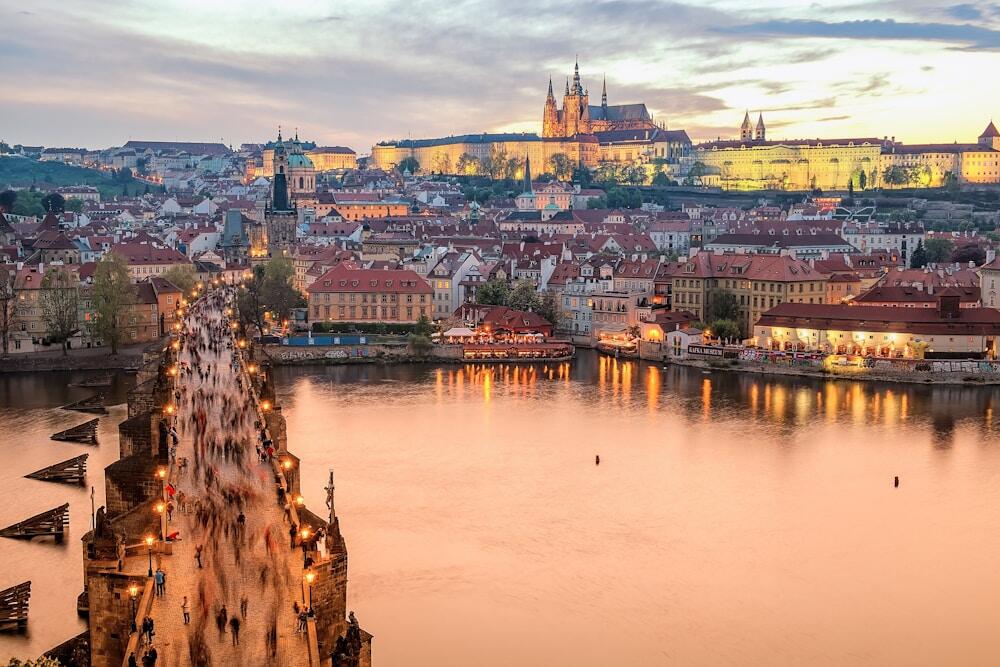
Touching the bronze relief on St. John of Nepomuk’s statue is said to bring good luck. The spot is worn shiny by millions of hands. Gothic towers at either end have climb-worthy views.
Street musicians and artists add to the atmosphere. Even with crowds, Charles Bridge remains one of Europe’s most romantic spots.
27. Hallstatt in Austria
Hallstatt looks like a village from a storybook. Pastel houses line the shore of a mirror-still lake. Mountains rise steeply behind. It’s become one of the most photographed places in Europe.
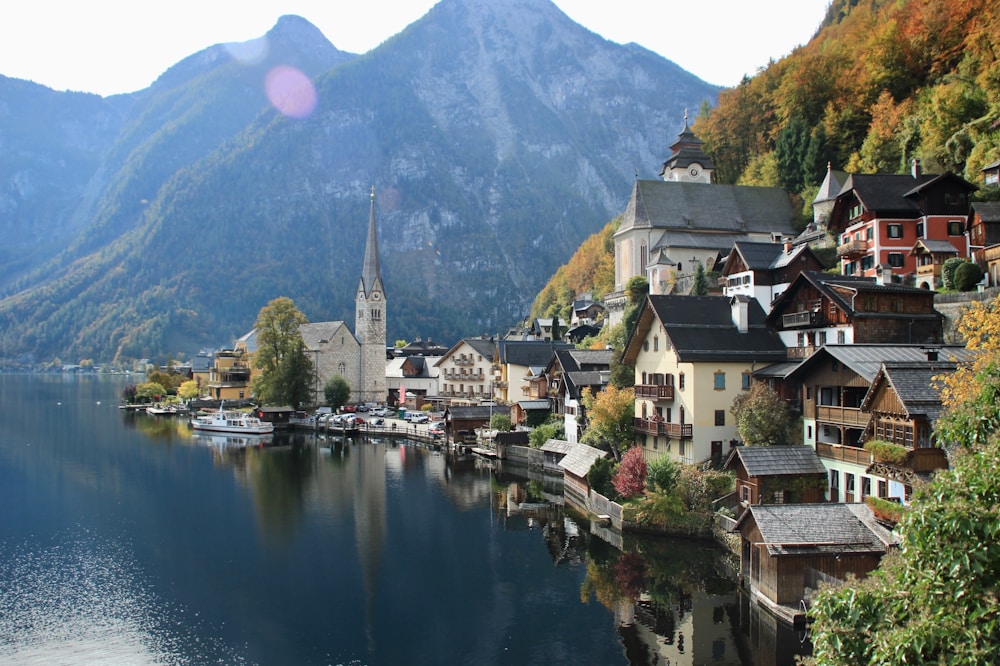
The village is tiny, walkable in 20 minutes. Take the funicular to the Skywalk for aerial views, or visit the world’s oldest salt mine.
- Stay overnight to avoid day-trip crowds
- Rent a rowboat for views from the water
- Visit in the fall for foliage reflecting on the lake
Timing matters here. Tour buses arrive by the dozens during peak hours.
28. Auschwitz-Birkenau in Poland
Auschwitz-Birkenau is the largest Nazi concentration camp, now preserved as a memorial. Over 1.1 million people were murdered here, most of them Jewish. Visiting is solemn but important.
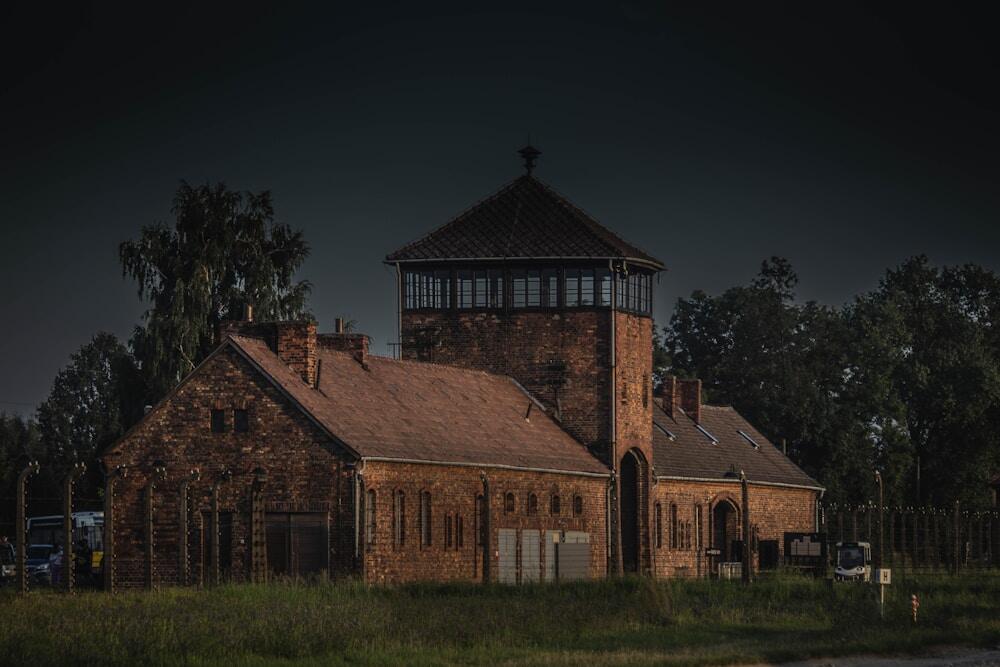
The tour begins at Auschwitz I, with barracks, guard towers, and exhibits. Then you’ll travel to Birkenau, the larger extermination camp.
Take a guided tour. The context and personal stories add weight to what you’re seeing. Entry is free, but guided tours are required during peak hours. Book in advance, especially in summer.
29. Plitvice Lakes in Croatia
Plitvice Lakes National Park is a network of 16 terraced lakes connected by waterfalls. Wooden boardwalks wind through the park, crossing turquoise pools and passing behind curtains of water.
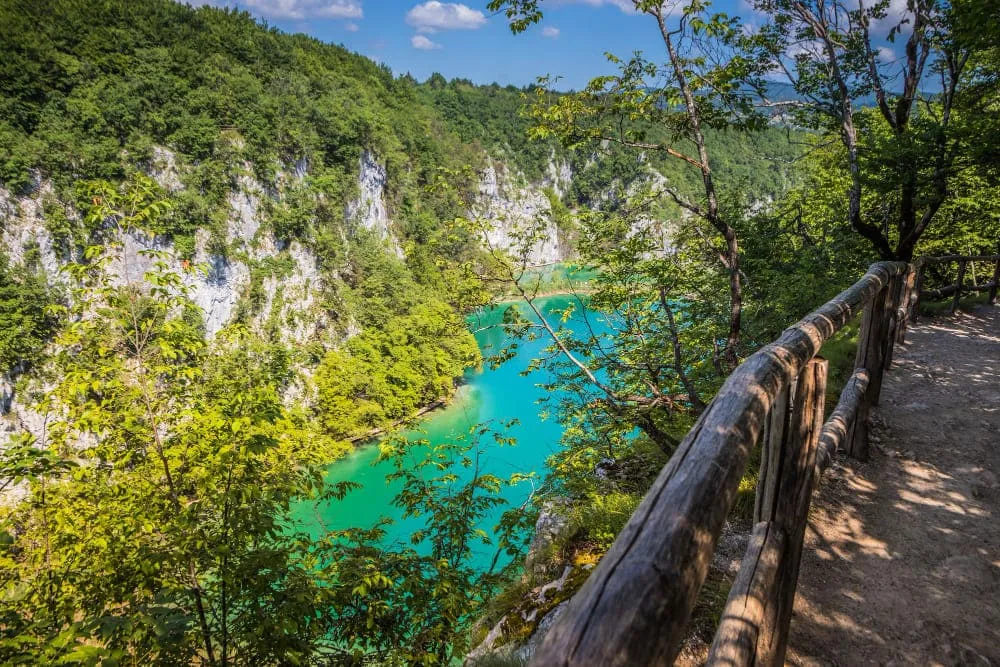
The park divides into upper and lower lakes. Most visitors start with the lower lakes, where the largest waterfall plunges nearly 80 meters. A boat ride across Kozjak Lake connects the two areas.
| Lower lakes | Veliki Slap waterfall, dramatic views |
| Upper lakes | Peaceful trails, dense forest |
| Kozjak crossing | Scenic boat ride between sections |
30. Bran Castle in Transylvania
Bran Castle is perched on a rocky hill in the Carpathian Mountains and forever linked to the Dracula legend. Bram Stoker never visited Romania, but his description matches Bran closely enough that the connection stuck.
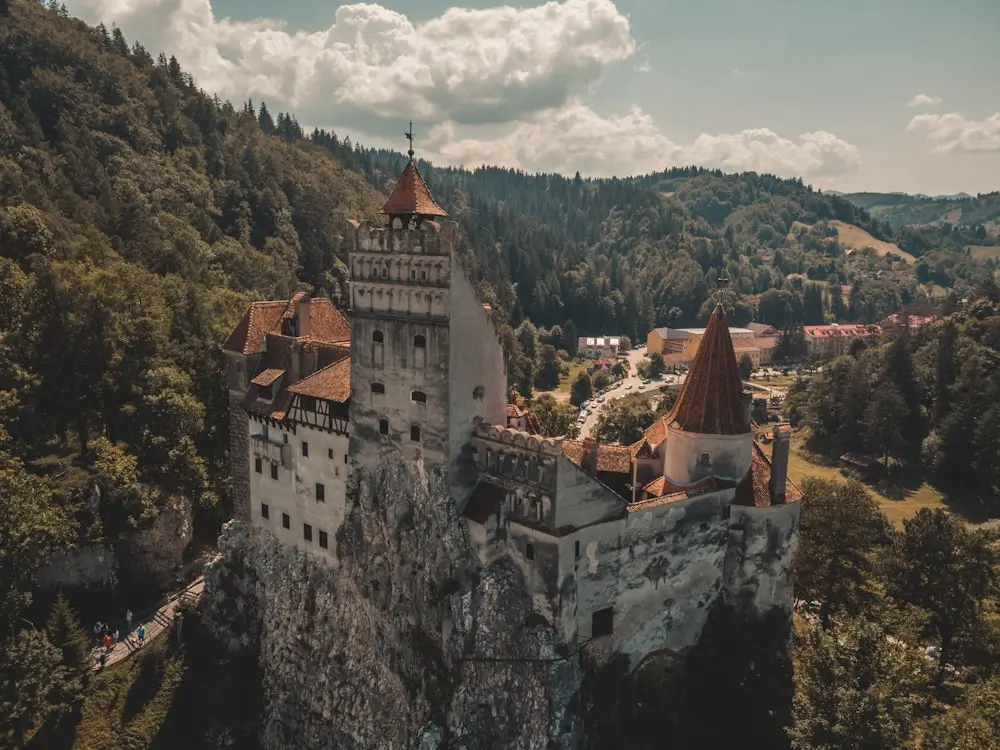
The castle dates to the 14th century and served as a fortress, customs post, and royal residence. Inside, you’ll find period furniture and narrow staircases.
The castle is smaller than you might expect, but the atmosphere more than makes up for it. Brașov, the nearest city, has a charming old town. Bran’s market sells souvenirs and plenty of vampire kitsch.
Europe rewards the curious traveler. These 30 places are a starting point, but they’re just the beginning. Every alley hides a story. Every train ride reveals a new landscape. Europe has been drawing travelers for centuries, and once you see it for yourself, you’ll understand why. The bucket list will grow. That’s kind of the point.


Comments