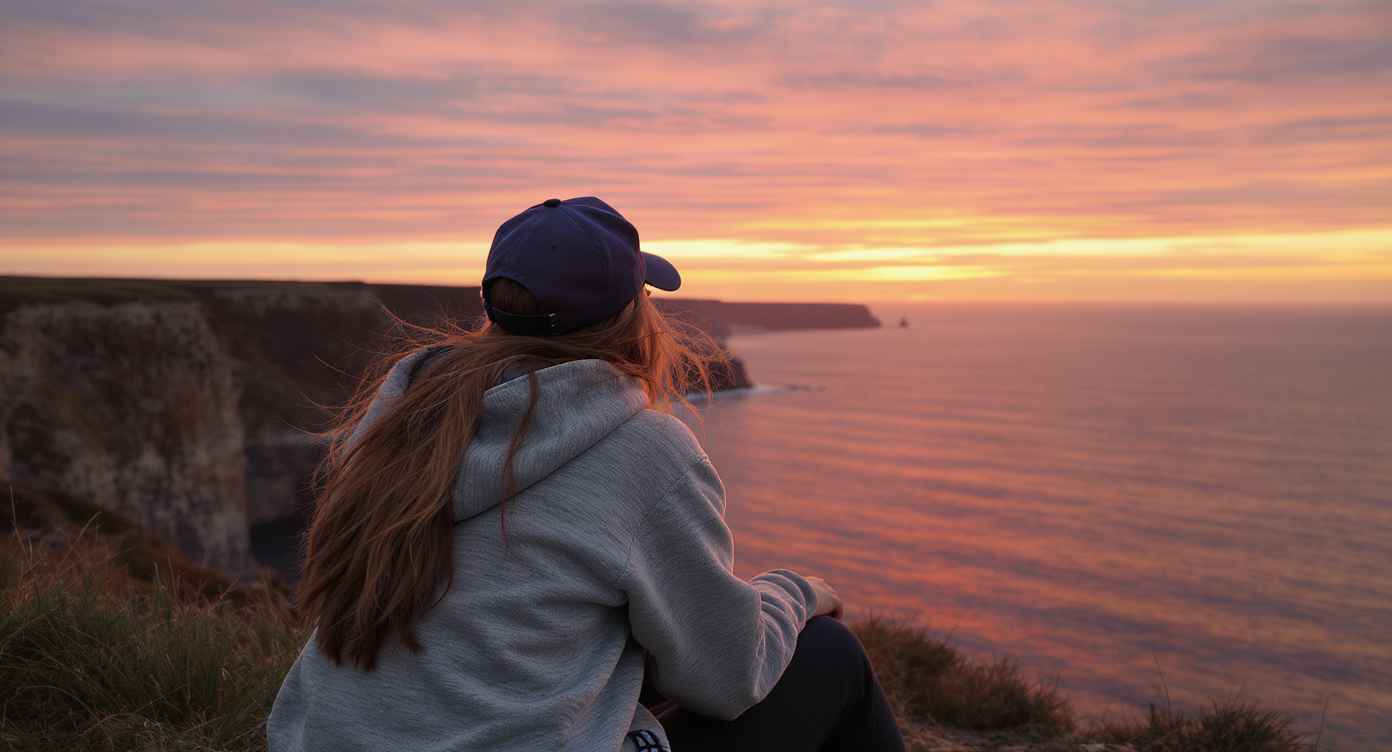
The Northern Lights are easier to see than you might think. You don’t need a passport to Scandinavia (though it helps). Places across Alaska, Canada, and even Michigan offer legitimate chances to catch the aurora.
- 1. Fairbanks, Alaska, USA
- Best time to see the Aurora in Fairbanks
- 2. Denali National Park, Alaska, USA
- Best Lodges Near Denali
- 3. Voyageurs National Park, MN, USA
- Voyageurs Dark Sky Park Designation
- 4. Headlands International Dark Sky Park, MI, USA
- When Michigan Catches the Lights
- 5. Glacier National Park, MN, USA
- Best Aurora Viewing Spots in Glacier National Park
- 6. Churchill, Manitoba, Canada
- Polar Bears and Northern Lights in Churchill
- 7. Yellowknife, Canada
- Fall vs. Winter in Yellowknife for Catching Aurora
- 8. Whitehorse, Canada
- Best Months for viewing Northern Lights in Whitehorse
- 9. Tromsø, Norway
- Best Months and Viewing Spots to Catch Aurora in Tromsø
- 10. Lofoten Islands, Norway
- Where to Stay in Lofoten during Aurora Hunt
- 11. Alta, Norway
- Glass Igloos in Alta for Aurora Viewing
- 12. Svalbard, Norway
- Wildlife Encounters in Svalbard
- 13. Abisko National Park, Sweden
- Getting to Abisko
- 14. Kiruna, Sweden
- When to Visit Kiruna
- 15. Rovaniemi, Finland
- Best Resorts in Rovaniemi for Aurora Viewing
- 16. Saariselkä, Finland
- 17. Reykjavik Area, Iceland
- 18. Vik, Iceland
- 19. Ilulissat, Greenland
- Getting to Ilulissat
- 20. Fogo Island, Newfoundland, Canada
- Read more
2025 and 2026 happen to be the best years in over a decade for sightings. Solar activity is peaking. The lights are traveling farther south than usual. If seeing the Northern Lights has been on your list, now is the time.
1. Fairbanks, Alaska, USA
Fairbanks sits directly under the auroral oval, making it one of the most reliable spots in the United States to see the Northern Lights. The city averages aurora activity on more than 200 nights per year. That’s not a typo.
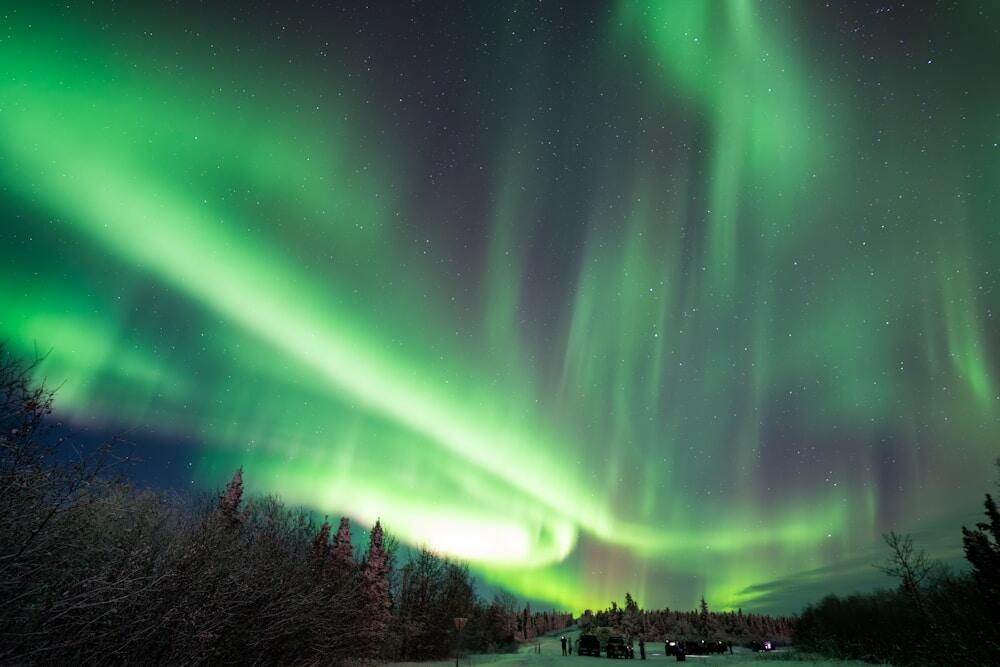
Fairbanks earned its reputation for good reason. The city’s location in interior Alaska means cold, clear nights and minimal light pollution once you leave downtown. The aurora season runs from late August through April, giving you a wide window to plan your trip.
Fairbanks offers one of the longest aurora viewing seasons in North America, with sightings possible on average 243 nights per year.
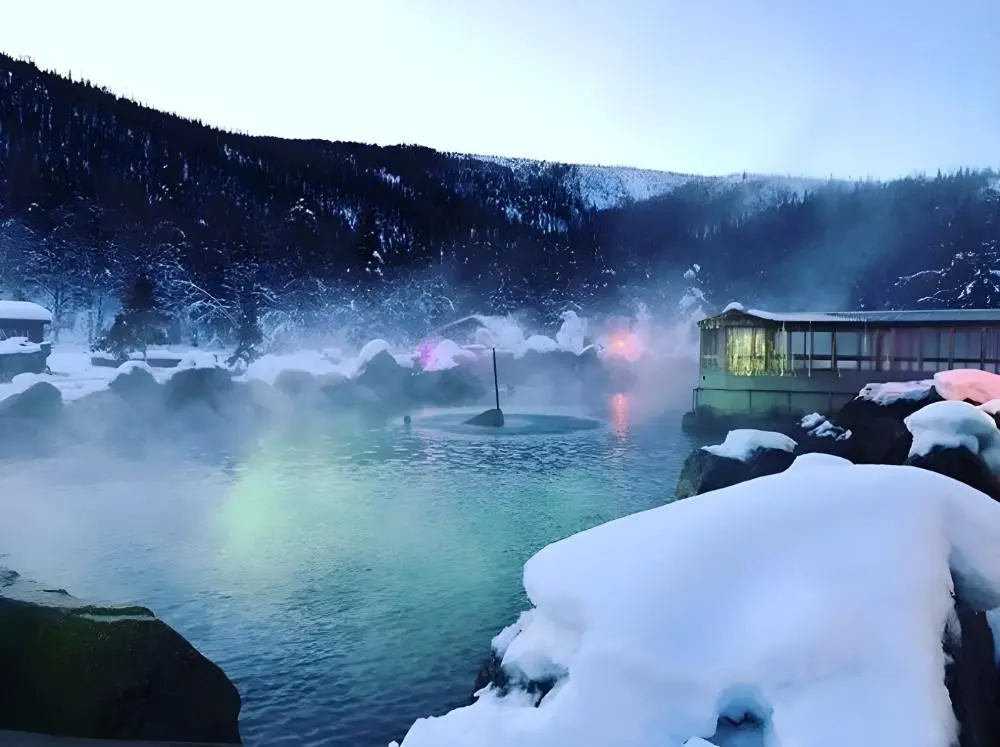
One of the most popular ways to see the lights here is from Chena Hot Springs Resort, about 60 miles outside Fairbanks. You can soak in natural geothermal pools while watching the sky. The resort also offers ice museum tours, dog sledding, and aurora wake-up calls if the lights appear while you’re sleeping.
Best time to see the Aurora in Fairbanks
Late February and March tend to offer the best combination of long dark nights and slightly warmer temperatures.
| Month | Aurora Likelihood | Temperature Range |
|---|---|---|
| September | High | 25°F to 50°F |
| October-November | Very High | 0°F to 30°F |
| December-January | Very High | -10°F to 15°F |
| February-March | Peak Season | -5°F to 25°F |
| April | High | 20°F to 45°F |
2. Denali National Park, Alaska, USA
Denali brings something extra to aurora viewing: scale. The park covers six million acres of wilderness, and the lack of artificial light means nothing competes with the sky.
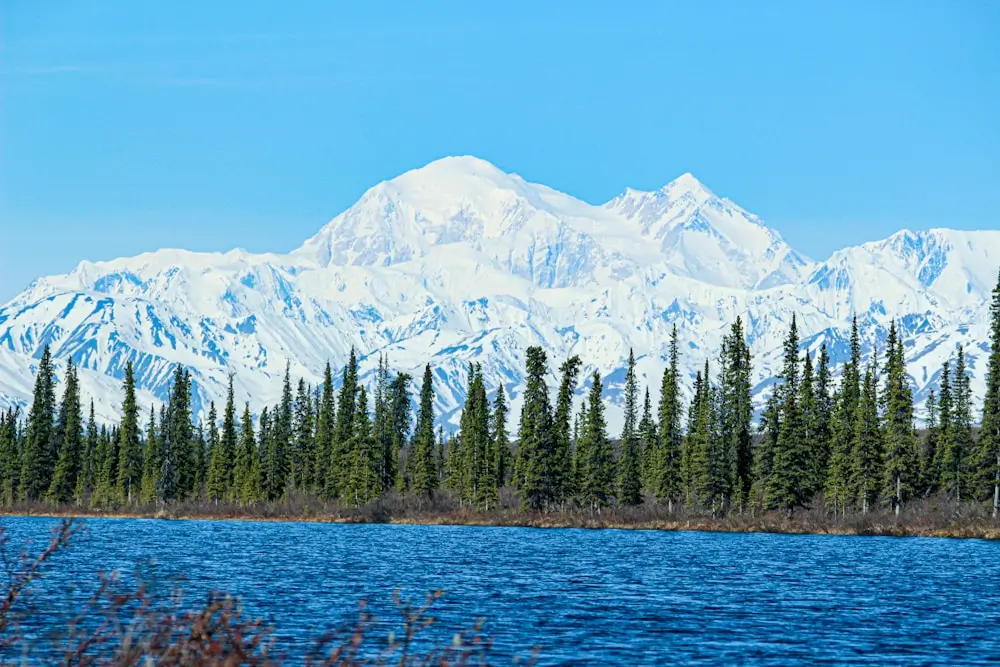
Most visitors come to Denali for wildlife and mountain views. But winter transforms the park into an aurora destination. The Northern Lights dancing above North America’s tallest peak is the kind of scene that stays with you.
Best Lodges Near Denali
Winter wildlife viewing is surprisingly good here. Moose, wolves, and caribou are active, and the snow makes them easier to spot. Some lodges offer combination packages that include daytime wildlife tours and nighttime aurora excursions.
- Denali Backcountry Lodge: Remote location with minimal light pollution
- Kantishna Roadhouse: Accessible only by park bus, deep in the wilderness
- Denali Princess Wilderness Lodge: Easier access with aurora viewing decks
The park road closes to vehicles in winter, but several backcountry lodges remain open for guests seeking true darkness.
3. Voyageurs National Park, MN, USA
Minnesota might not be the first state that comes to mind for Northern Lights, but Voyageurs National Park sits at the same latitude as parts of southern Canada. The park holds International Dark Sky Park status, which means seriously dark skies.
Voyageurs Dark Sky Park Designation
Voyageurs earned its Dark Sky certification in 2020. The park service has worked to minimize artificial lighting, creating prime conditions for stargazing and aurora viewing. When solar activity spikes, the lights can stretch across the entire sky here.
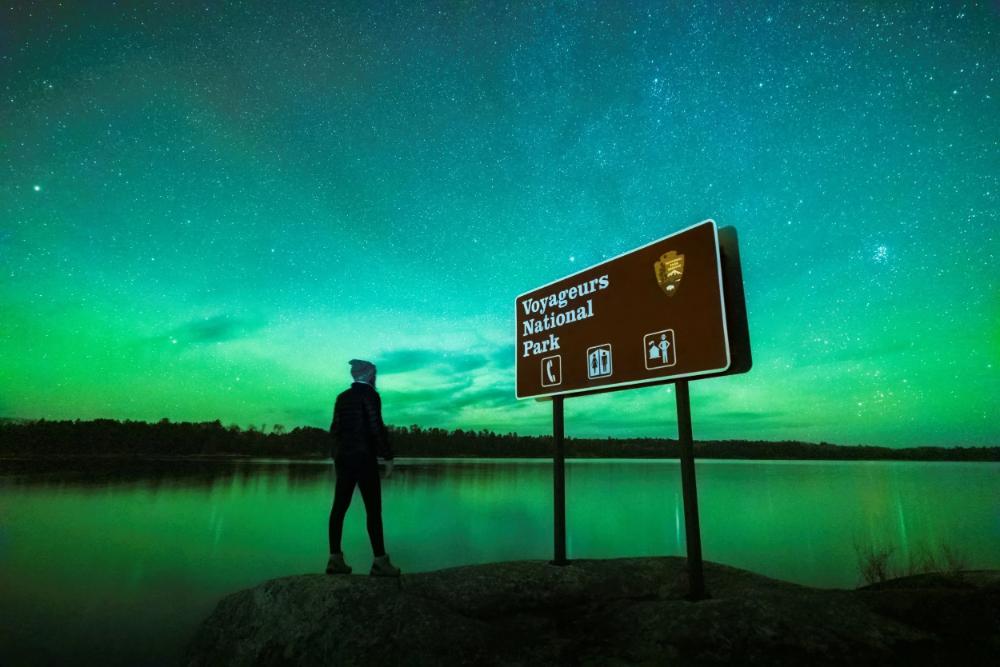
The park is mostly accessible by water, which creates unique viewing opportunities. In winter, you can snowshoe or ski to remote spots. In shoulder seasons, boat out to one of the islands and watch from the shoreline. The reflection of the aurora on calm water doubles the effect.
4. Headlands International Dark Sky Park, MI, USA
This 550-acre park on Michigan’s Lower Peninsula proves you don’t need to travel to the Arctic to see the Northern Lights. When geomagnetic storms are strong, the aurora is visible here.
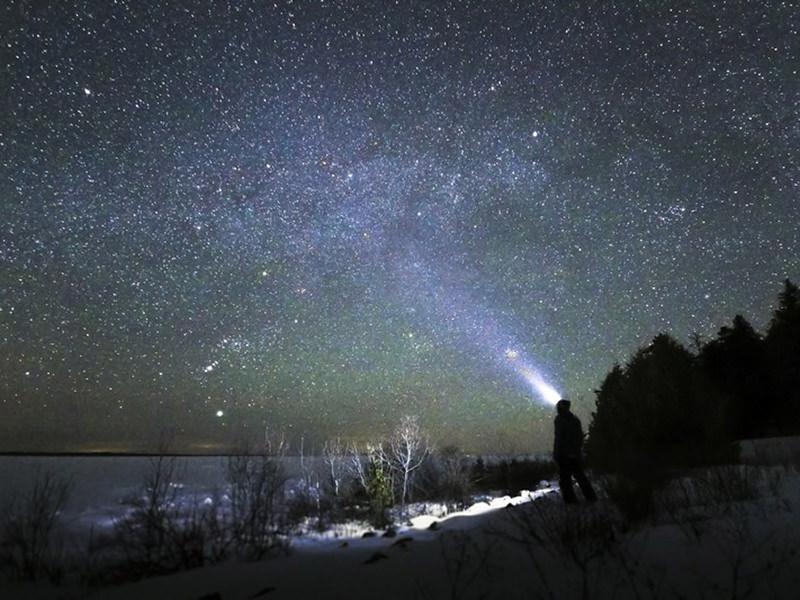
Headlands became an International Dark Sky Park in 2011. The park sits at the tip of the Lower Peninsula, where light pollution is minimal. During high solar activity periods, photographers have captured stunning aurora displays right from the beach.
Two miles of undeveloped Lake Michigan shoreline give you an unobstructed northern view. The park stays open all night, and staff enforce strict lighting rules. Bring a red-light flashlight and a blanket.
When Michigan Catches the Lights
Northern Lights in Michigan require patience and timing. The best chances occur during:
- Strong geomagnetic storms (G2 or higher)
- Clear, moonless nights
- Peak solar activity periods (like 2025-2026)
5. Glacier National Park, MN, USA
Glacier’s northern location and dark skies make it one of the better spots in the Lower 48 for aurora hunting. The dramatic mountain scenery adds a backdrop you won’t find in flatter terrain.
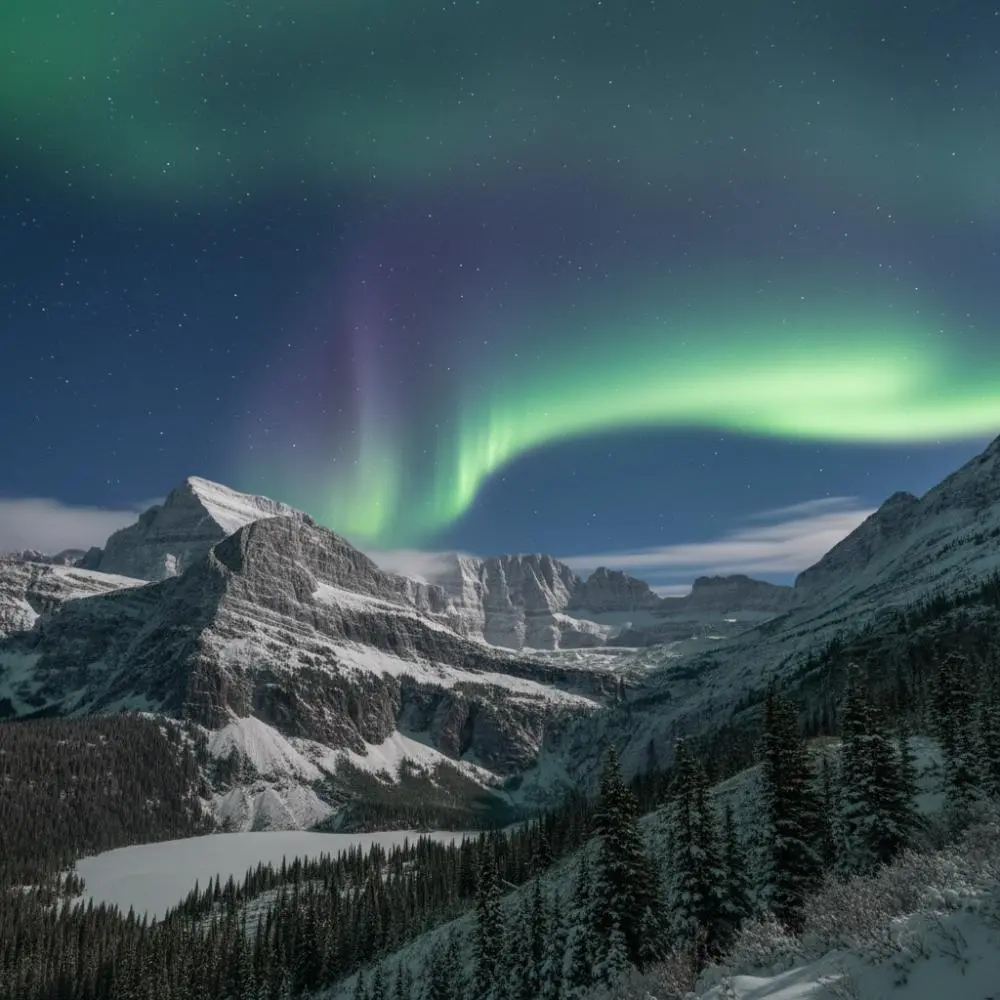
Few things compare to watching the Northern Lights dance above the Rocky Mountains. Glacier’s high elevation and clear air create excellent viewing conditions when the aurora reaches this far south.
Best Aurora Viewing Spots in Glacier National Park
- Many Glacier: North-facing valley with mountain views
- Two Medicine: Less crowded with expansive sky views
- St. Mary Lake: Pullouts along Going-to-the-Sun Road
Glacier earned International Dark Sky Park status in 2017. Even when the aurora doesn’t appear, the Milky Way puts on a show. The park hosts annual star parties and astronomy programs.
6. Churchill, Manitoba, Canada
Churchill sits directly beneath the auroral oval. The Northern Lights are visible here up to 300 nights per year. That’s more than almost anywhere else on Earth.
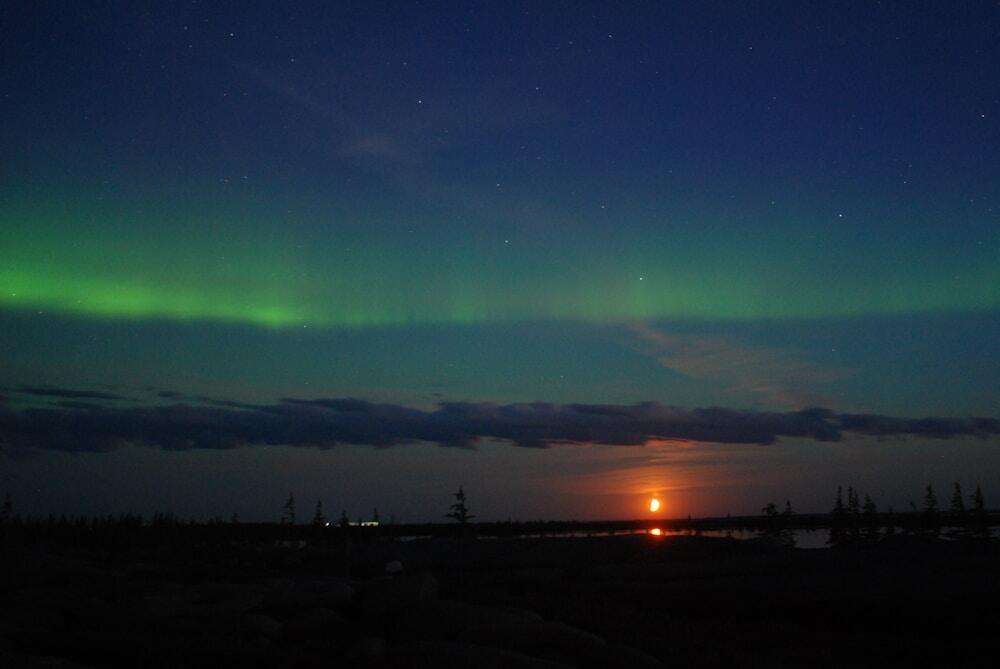
The small town on Hudson Bay has built its tourism around three things: polar bears, beluga whales, and Northern Lights. The aurora season overlaps with polar bear season (October-November), so you can potentially see both on the same trip.
Polar Bears and Northern Lights in Churchill
October and November bring polar bears to the Churchill area as they wait for Hudson Bay to freeze. Tour operators run Tundra Buggy excursions that double as aurora viewing platforms. Imagine watching the lights while polar bears roam nearby.
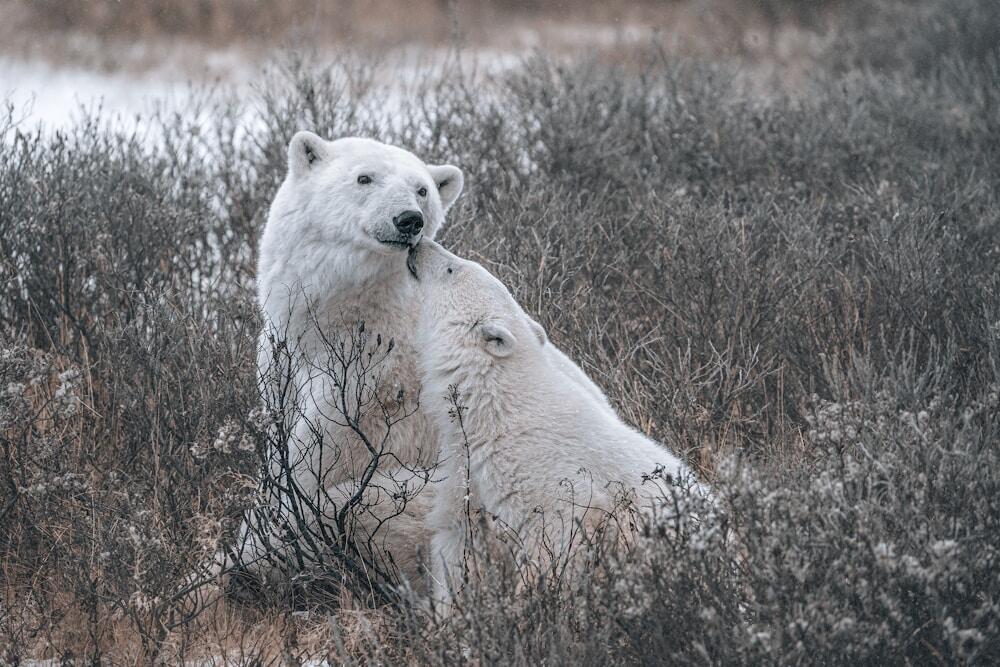
Churchill lies so far north that the Northern Lights often appear overhead rather than on the horizon, creating an immersive 360-degree experience.
7. Yellowknife, Canada
Yellowknife is Canada’s most accessible Northern Lights destination. The capital of the Northwest Territories averages 240 aurora-visible nights per year and has direct flights from several major cities.
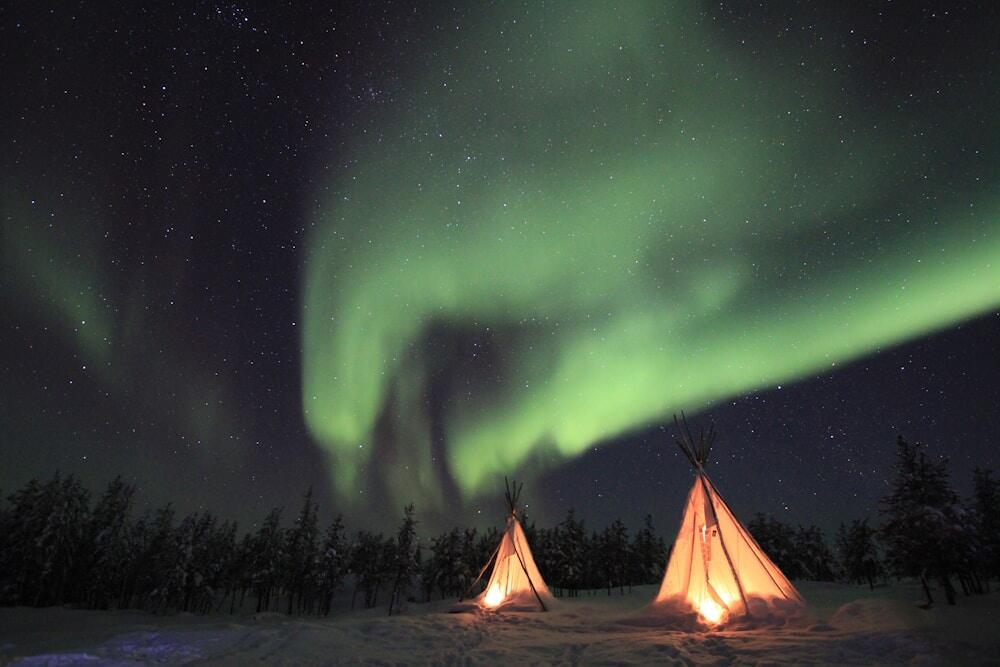
The city’s location on Great Slave Lake provides clear, unobstructed horizons. Cold temperatures (often below -20°F in winter) mean dry air and excellent visibility. Tour operators here have a success rate above 90% over multi-night trips.
Fall vs. Winter in Yellowknife for Catching Aurora
Fall brings milder temperatures and the chance to combine aurora viewing with fall foliage. Winter offers the longest nights and highest success rates but requires serious cold-weather gear. Temperatures regularly drop to -40°F.
8. Whitehorse, Canada
Whitehorse combines aurora viewing with genuine wilderness. The Yukon capital sits beneath the auroral oval with mountains, forests, and frozen lakes in every direction.
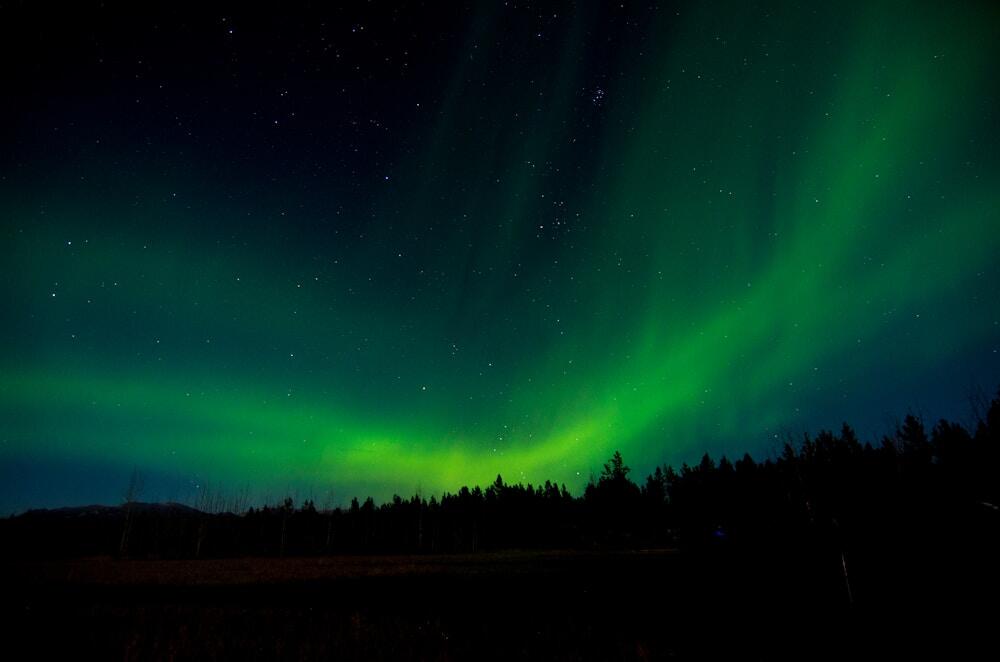
Several resorts near Whitehorse offer glass-walled cabins facing north. You can watch for the lights from bed. The Northern Lights Resort and Spa is the most popular option, with chalets designed specifically for aurora viewing.
Best Months for viewing Northern Lights in Whitehorse
- Late August-September: Aurora season begins, milder weather
- October-November: Peak activity, reasonable temperatures
- December-February: Longest nights, coldest weather
- March-April: Clear skies, warming temperatures
Air North occasionally operates “Aurora 360” charter flights, allowing passengers to view the Northern Lights from above the clouds.
9. Tromsø, Norway
Tromsø is Europe’s most popular Northern Lights destination. The city of 75,000 sits 200 miles north of the Arctic Circle with direct flights from most major European hubs.
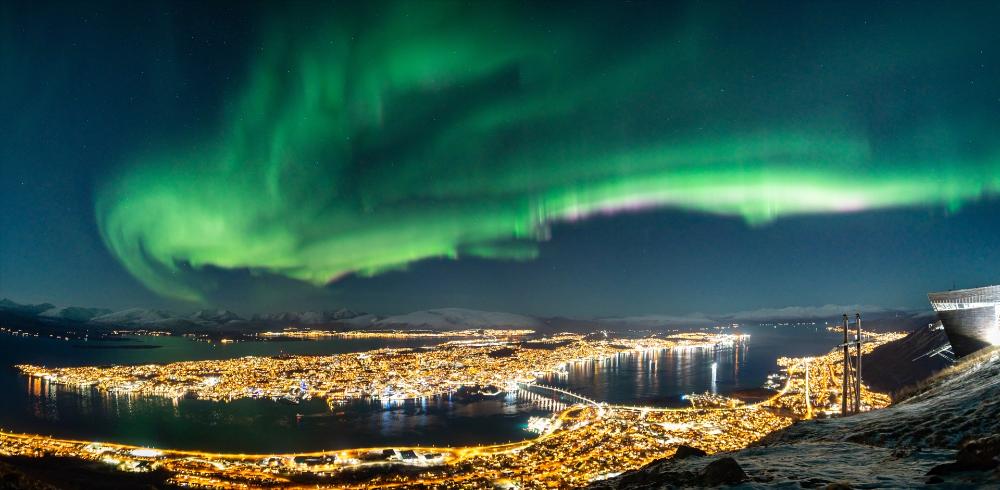
The Gulf Stream keeps Tromsø surprisingly mild for its latitude. Temperatures rarely drop below 15°F, making outdoor viewing comfortable compared to Canadian destinations. The city offers urban amenities alongside wilderness access.
Best Months and Viewing Spots to Catch Aurora in Tromsø
The aurora season runs from September through March. Popular viewing spots include:
- Mount Storsteinen: Take the Fjellheisen cable car for panoramic views
- Prestvannet Lake: 20-minute walk from city center, minimal light pollution
- Sommarøy Island: About an hour from town, darker skies
10. Lofoten Islands, Norway
The Lofoten archipelago offers the most dramatic scenery of any Northern Lights destination. Jagged peaks rise directly from the sea. Traditional fishing villages dot the coastline. And the aurora reflects in calm fjord waters.
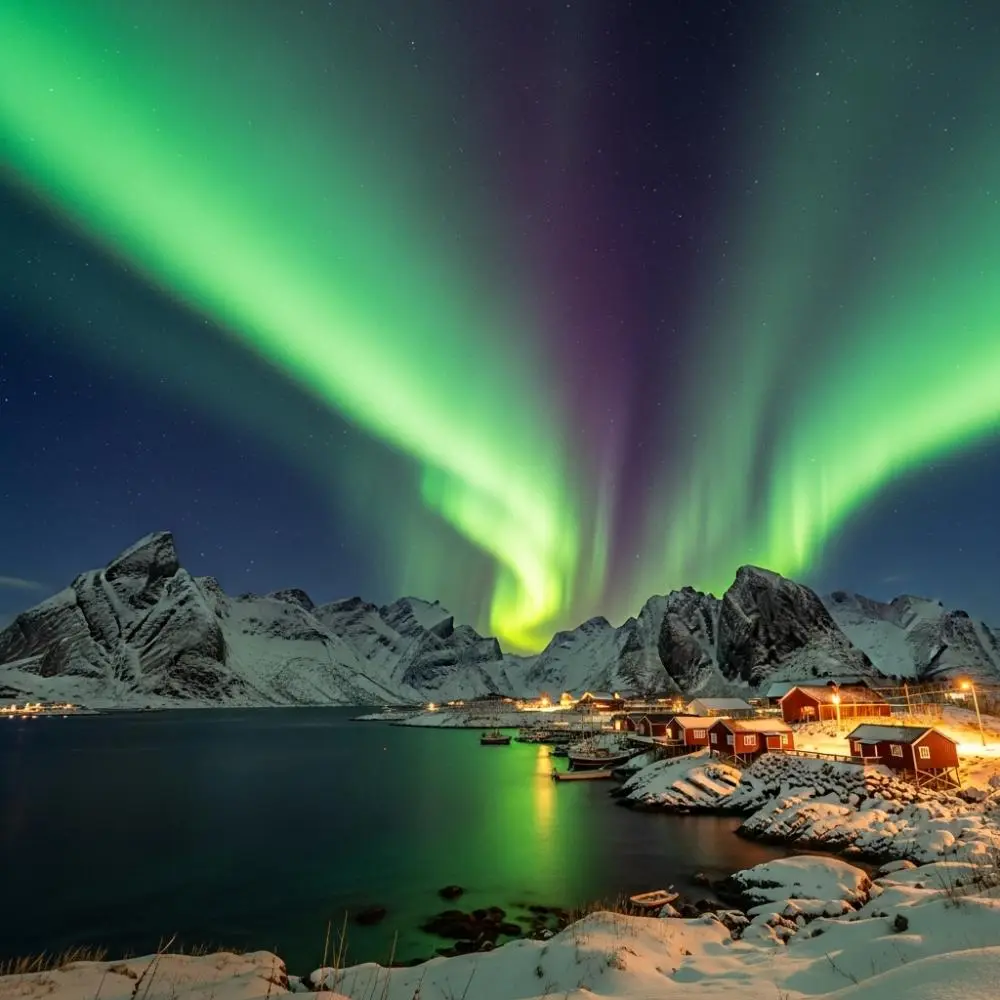
Professional photographers flock to Lofoten for good reason. The combination of mountains, beaches, and fishing huts creates endless compositions. Popular spots include Reine, Hamnøy, and the beaches of Uttakleiv and Skagsanden.
Where to Stay in Lofoten during Aurora Hunt
Lofoten’s latitude means you can see the Northern Lights even when the KP index is as low as 1-2, while lower-latitude locations require much higher activity.
- Rorbuer: Traditional fishermen’s cabins converted to accommodations
- Eliassen Rorbuer (Reine): Waterfront cabins with mountain views
- Hattvika Lodge: Modern amenities in a historic setting
11. Alta, Norway
Alta calls itself the “City of the Northern Lights” and backs it up. The town has hosted aurora research since 1899 and offers consistently clear, dry conditions.
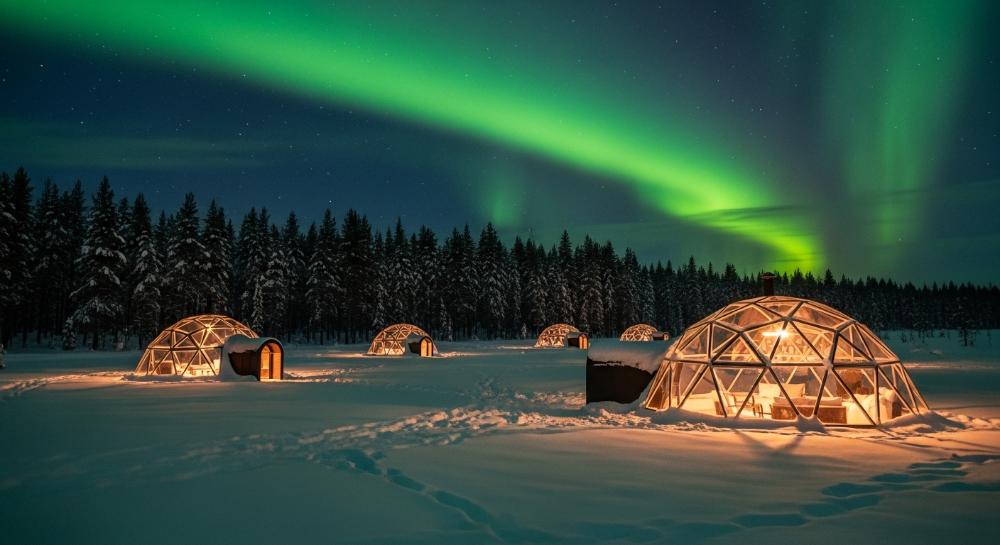
Alta’s inland location protects it from coastal weather patterns that bring clouds to places like Tromsø. The Northern Lights Observatory has documented aurora here for over a century.
Scientists chose Alta for northern lights research because of its reliable viewing conditions. The town embraces this heritage with museums, tours, and educational programs focused on the aurora.
Glass Igloos in Alta for Aurora Viewing
Several properties offer glass-roofed accommodations:
- Sorrisniva Igloo Hotel: Ice hotel with northern-facing rooms
- Camp Alta: Budget-friendly glass cabins
- Alta Igloo Hotel: Glass igloos with heated floors
12. Svalbard, Norway
Svalbard sits closer to the North Pole than to mainland Norway. The archipelago experiences polar night from November through January, meaning 24 hours of darkness. Perfect for aurora viewing.
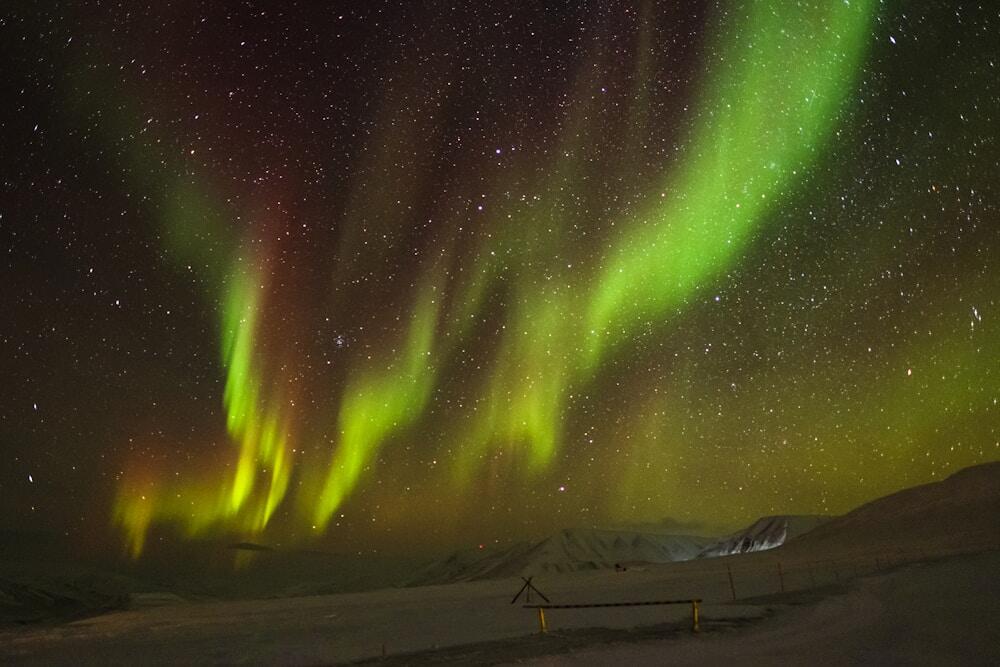
At 78°N latitude, Svalbard is as far north as most travelers can easily go. The main town of Longyearbyen has an airport, hotels, and tour operators. Beyond town, it’s pure Arctic wilderness.
During the polar night, you can technically see the Northern Lights at any hour. The sun never rises, so there’s no need to stay up late. Tours operate throughout the day, whenever conditions look promising.
Wildlife Encounters in Svalbard
Leaving Longyearbyen requires a guide with a rifle due to polar bear danger. This is mandatory and enforced by law.
- Polar bears: Outnumber humans on the islands
- Arctic foxes: Common around settlements
- Reindeer: Svalbard subspecies, smaller than mainland reindeer
- Walrus: Visible on boat tours (in season)
13. Abisko National Park, Sweden
Abisko has one major advantage over other aurora destinations: the “Blue Hole.” A unique microclimate creates a gap in cloud cover over the park, even when the surrounding areas are overcast.
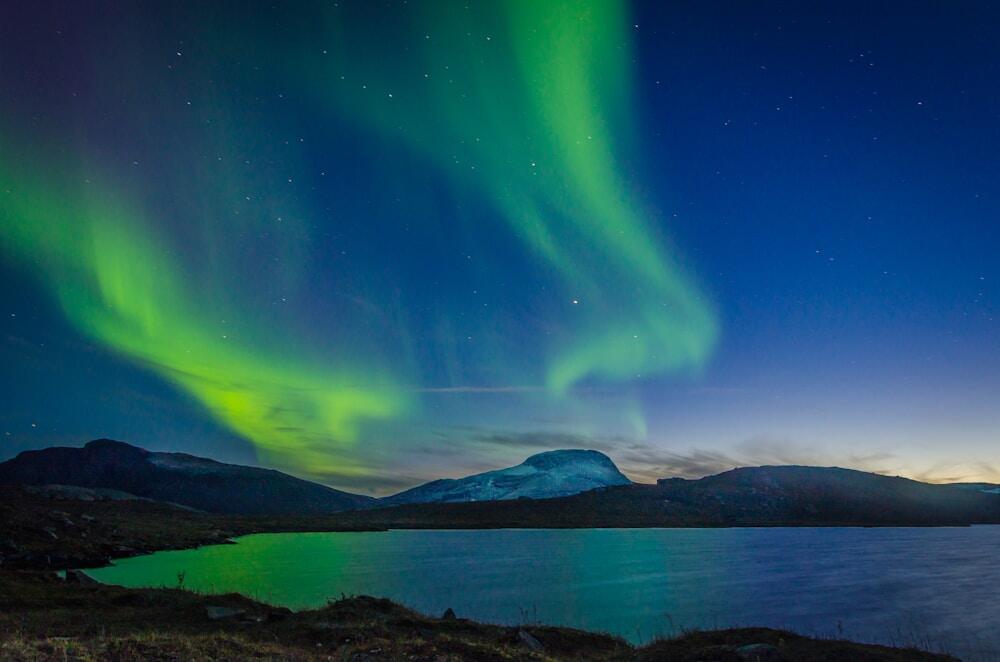
Mountains surrounding Lake Torneträsk create air patterns that disperse clouds. Scientists have documented this phenomenon, and it’s the main reason Abisko claims the highest aurora viewing success rate in Scandinavia.
A chairlift carries visitors 900 meters up the mountain to the Aurora Sky Station. The facility includes an exhibition about the Northern Lights, a restaurant serving Nordic cuisine, and panoramic viewing decks.
Getting to Abisko
The Arctic Circle Train from Stockholm is an experience in itself, traveling through increasingly wild terrain.
| Train | Overnight from Stockholm or day train from Kiruna |
| Fly | Into Kiruna airport, then shuttle or rental car |
| Drive | Rental car from Kiruna (100 km) |
14. Kiruna, Sweden
Kiruna is Sweden’s northernmost city and gateway to Lapland. The famous Icehotel is located nearby in Jukkasjärvi, making it possible to sleep in an ice room and watch the aurora on the same trip.
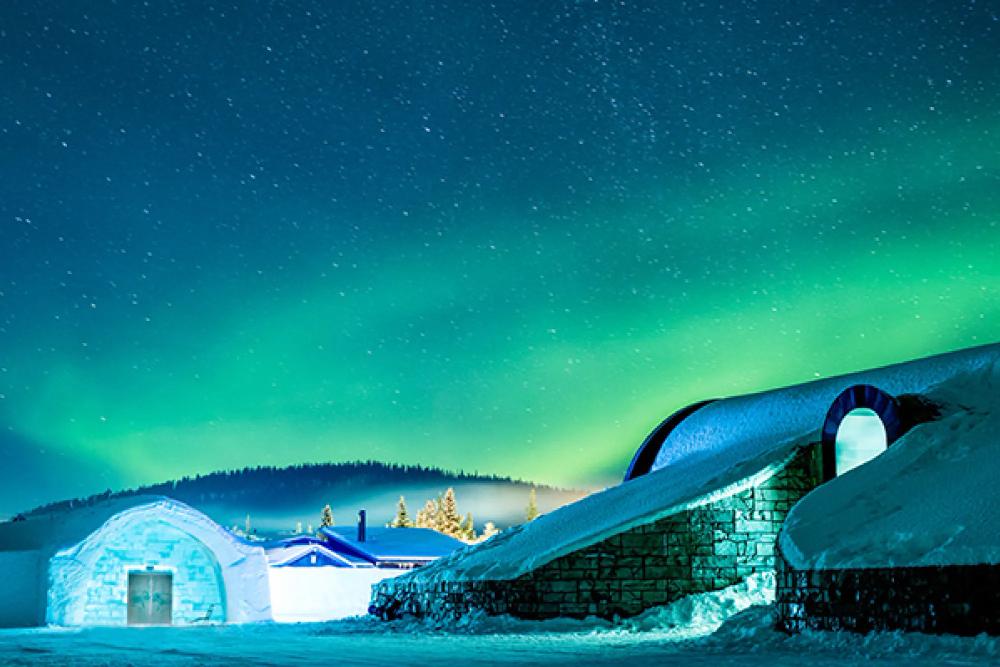
The Icehotel is rebuilt every winter from ice harvested from the Torne River. Art suites feature elaborate ice sculptures. The permanent Icehotel 365 building stays frozen year-round using solar-powered cooling.
When to Visit Kiruna
- December-January: Polar twilight (sun doesn’t rise), coldest temps
- February-March: Returning daylight, excellent aurora activity
- September-October: Milder weather, fall colors, aurora season begins
15. Rovaniemi, Finland
Rovaniemi sits exactly on the Arctic Circle and serves as the official hometown of Santa Claus. That combination of aurora viewing and Christmas kitsch makes it popular with families.
Finnish Lapland pioneered the glass igloo concept. Several properties near Rovaniemi offer heated glass accommodations where you can watch the sky from bed. Thermal glass prevents fogging and keeps the interior warm.
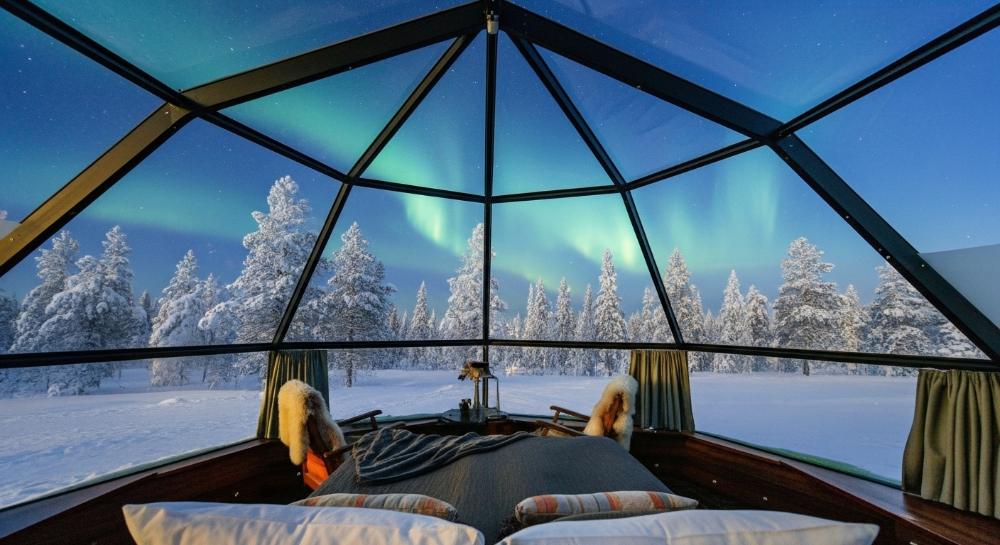
Santa Claus Village operates year-round, but winter visits allow you to meet Santa and hunt the aurora on the same day. Kids love it. Adults do too, even if they won’t admit it.
Best Resorts in Rovaniemi for Aurora Viewing
Finnish Lapland offers some of the most reliable clear skies in Scandinavia due to its continental climate with cold, dry winters.
- Arctic TreeHouse Hotel: Design-forward glass-walled suites in the forest
- Arctic SnowHotel: Glass igloos plus snow hotel rooms
- Apukka Resort: Aurora cabins on a lake, less crowded
16. Saariselkä, Finland
Saariselkä sits deep in Finnish Lapland, about 250 kilometers north of Rovaniemi. The area is home to Kakslauttanen Arctic Resort, one of the original glass igloo properties.
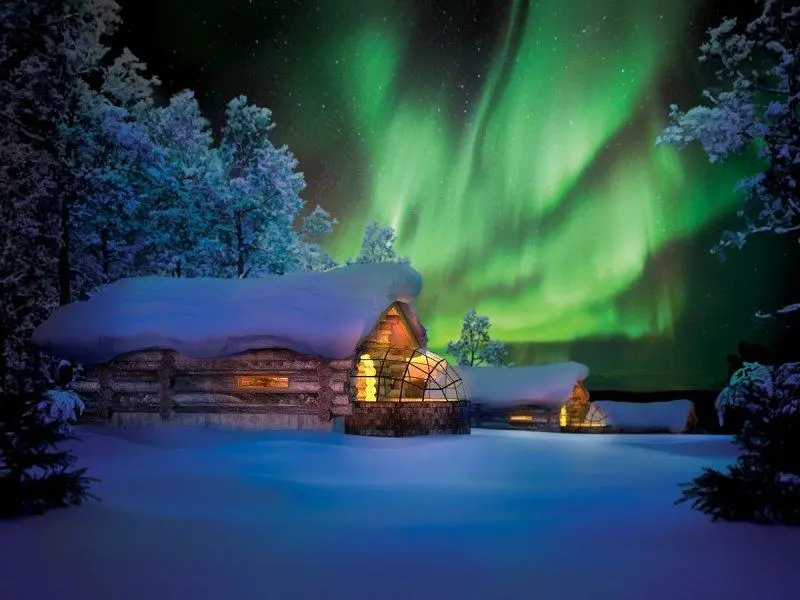
Kakslauttanen has been operating since 1973 and introduced glass igloos in the 1990s. The resort now offers multiple accommodation types across two villages.
The location is genuinely remote. Urho Kekkonen National Park borders the resort, providing vast wilderness and zero light pollution. Cross-country ski trails connect directly to the park.
17. Reykjavik Area, Iceland
Iceland offers aurora viewing combined with some of Earth’s most unusual landscapes. Geysers, glaciers, volcanoes, and hot springs share the island with the Northern Lights.
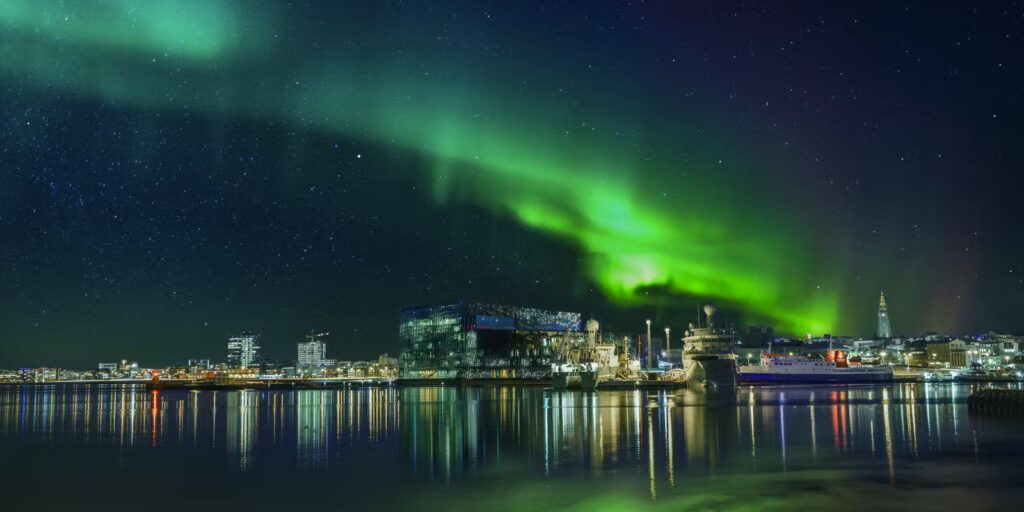
Thingvellir sits about 45 minutes from Reykjavik and offers dark skies along with historical significance. The park marks where the North American and Eurasian tectonic plates meet and where Iceland’s parliament was founded in 930 AD.
The Golden Circle route (Thingvellir, Geysir, Gullfoss) works as a day trip from Reykjavik. Many tours continue into the evening for aurora viewing, especially during winter when darkness comes early.
18. Vik, Iceland
Vik is a tiny village on Iceland’s south coast, known for black sand beaches and dramatic sea stacks. The Northern Lights above Reynisfjara beach create otherworldly images.
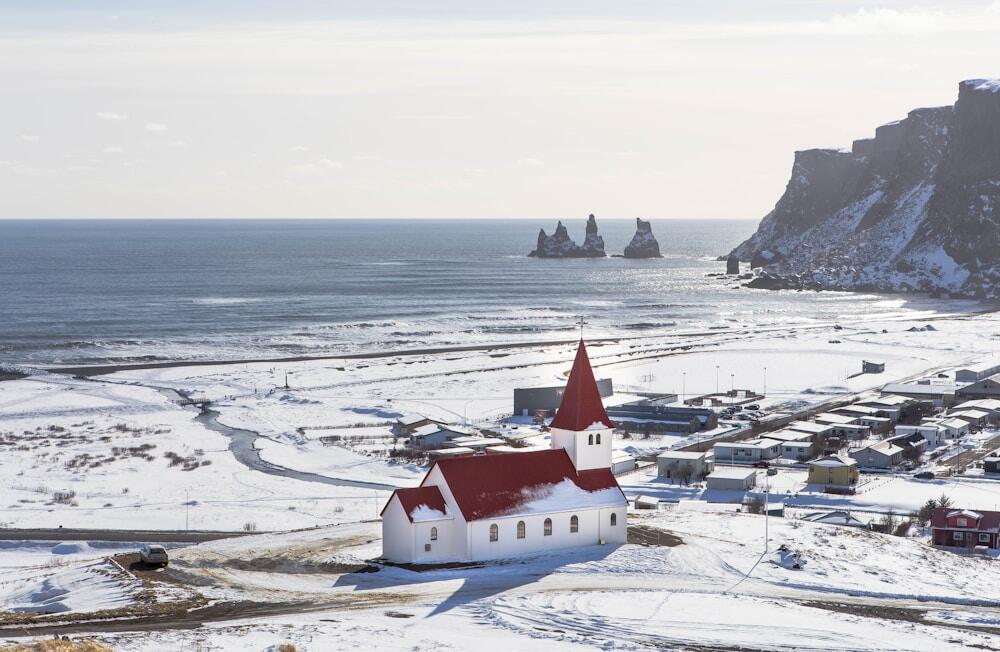
Reynisfjara’s black sand and basalt columns look striking enough in daylight. Add the Northern Lights overhead, and you understand why photographers camp out here. The beach faces south, but aurora activity often fills the entire sky.
About two hours east of Vik, Jökulsárlón glacier lagoon offers another iconic setting. Icebergs float in the lagoon and wash up on Diamond Beach. The aurora reflected in still water between icebergs is unforgettable.
19. Ilulissat, Greenland
Ilulissat sits on Greenland’s west coast beside a UNESCO World Heritage icefjord. Massive icebergs calve from the Sermeq Kujalleq glacier and drift past town. The Northern Lights above this ice is almost too much beauty in one place.
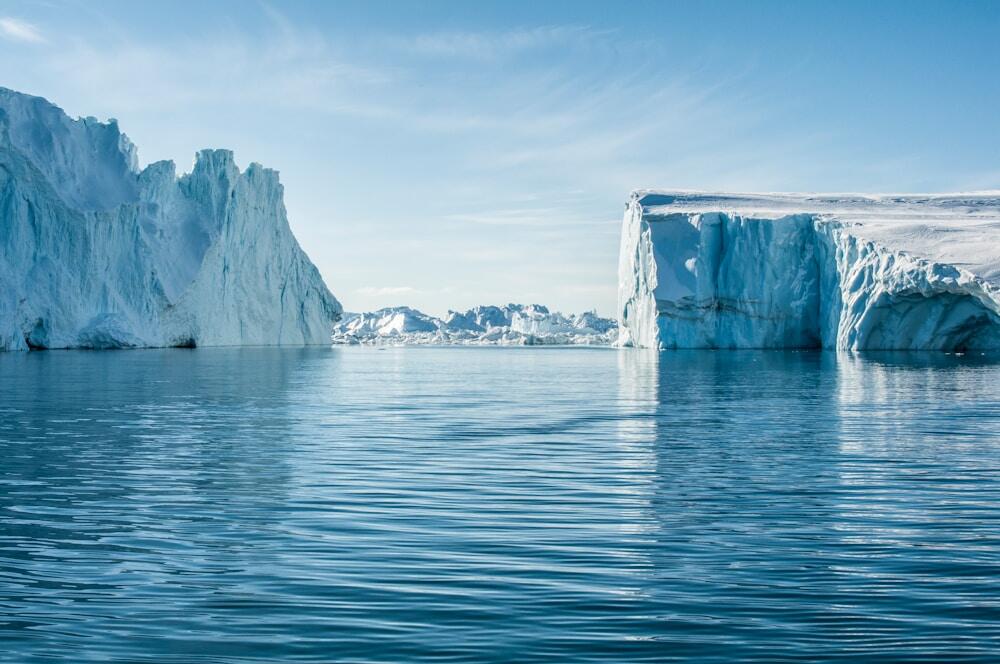
The Ilulissat Icefjord produces enough ice to supply all of America’s drinking water for a year. Icebergs the size of buildings float silently past. When the aurora appears overhead, the ice seems to glow.
Getting to Ilulissat
Ilulissat has about 5,000 residents and no roads connecting it to other towns. Everything arrives by boat or plane. This isolation means minimal light pollution and genuine Arctic atmosphere.
| Copenhagen | Direct flights via Air Greenland (4.5 hours) |
| Reykjavik | Seasonal flights via Icelandair |
| Kangerlussuaq | Connect through Greenland’s main hub |
The journey is part of the adventure. Few places feel this remote while still having modern amenities.
20. Fogo Island, Newfoundland, Canada
Fogo Island sits off Newfoundland’s northeast coast, farther east than any other point in North America. The Northern Lights reach here more often than you’d expect, and the Atlantic Ocean setting is unique.
Fogo Island’s latitude (49°N) is lower than classic aurora destinations, but strong geomagnetic storms regularly bring the lights this far south. The island’s isolation means dark skies and unobstructed ocean horizons.
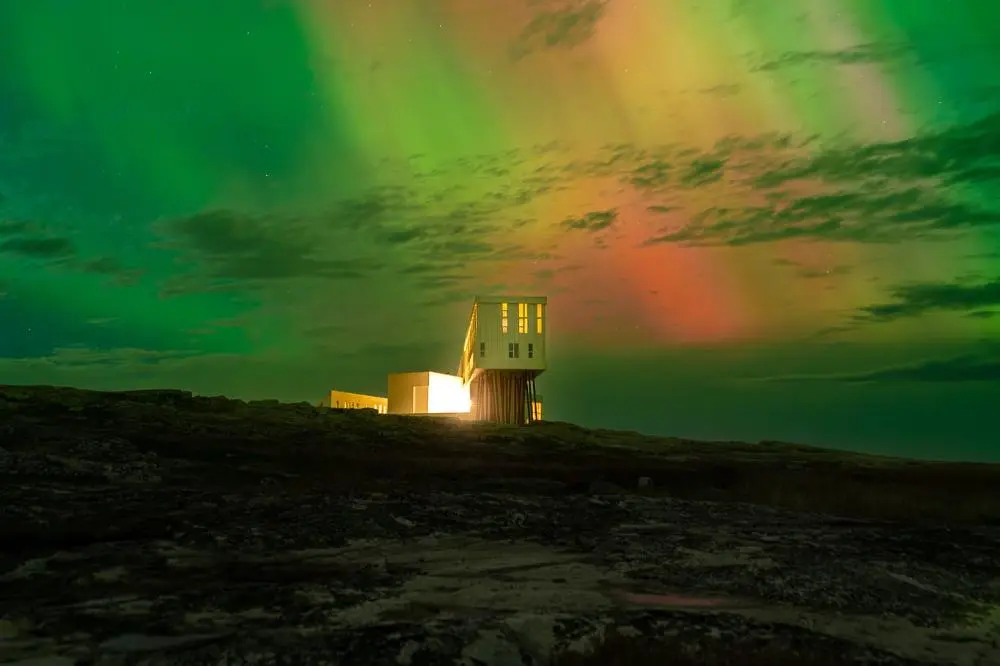
The Fogo Island Inn is a design landmark, perched on stilts above the rocky shore. Floor-to-ceiling windows face the ocean. Staff will wake guests when aurora activity appears. The inn supports the local community and traditional fishing culture.
Fogo Island offers Northern Lights viewing during warmer months than Arctic destinations, making it accessible for travelers who can’t handle extreme cold.
The Northern Lights show up on their own schedule. You can’t force them, but you can stack the odds. Choose a destination inside or near the auroral oval. Travel between September and April. Book multiple nights instead of just one. And check the forecast before you head out each evening.
Solar activity is peaking right now. The next couple of years offer your best shot in over a decade. That applies everywhere on this list, but especially to destinations farther south like Michigan, Montana, and Newfoundland. During strong storms, the lights travel far beyond their usual range.