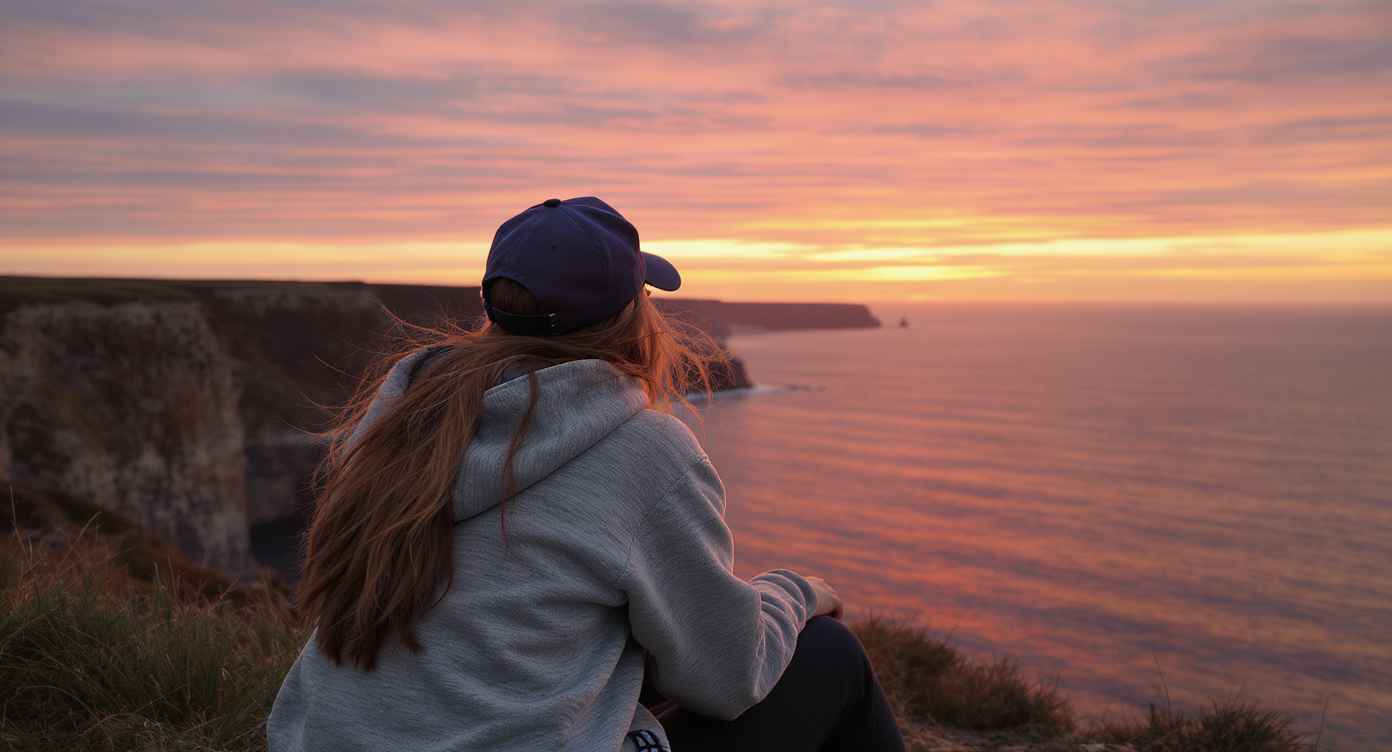
The Everest Base Camp (EBC) trek had been in my sights long before I became a guide. Like most, I grew up seeing the iconic photos, but the reality is far more human than a postcard. It is a grind of steep climbs, frigid mornings, and crowded teahouses.
- The Physiological Shift: From Lukla to Namche
- Acclimatization Science: The “Pulse Ox” and the Red Line
- The Reality of Teahouse Living: A Technical Audit
- The High-Altitude “Grind”: Crossing the Khumbu Moraine
- The Descent: Where the Danger Lives
- Guide’s Rules: How to Actually Succeed on the Everest Base Camp Track
- Expertise and Safety
- Read more
After 12 years of leading groups to the base of the world’s highest peak, I look back at my first trek not as a scenic hike, but as the moment I learned what “high altitude” actually means. Everyone starts at zero, and my first journey was the foundation of everything I now teach my clients.
The Physiological Shift: From Lukla to Namche
The first few days out of Lukla can be misleading. You are full of energy, surrounded by the lush greenery of the lower Khumbu, and the suspension bridges, draped in prayer flags and swaying high above the Dudh Koshi, feel like an adventure. But the landscape is a deceptive friend. You are still breathing “thick” air, and your body hasn’t yet realized the oxygen debt it is about to accrue.
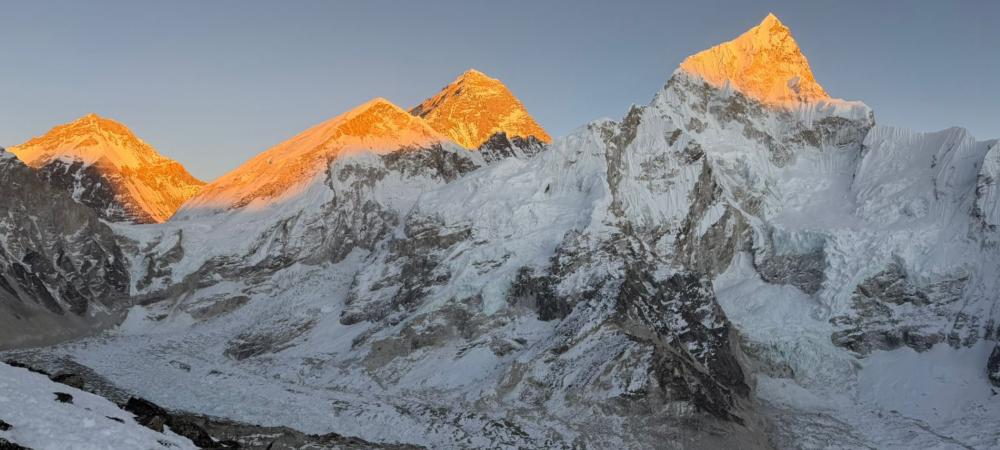
The walk to Namche Bazaar is where the trek truly begins. The final ascent into town is a long, unrelenting zig-zag climb that humbles even the fittest trekkers. On my first trip 12 years ago, this was my “realization” moment. I arrived confident in my fitness, only to find that my lungs couldn’t keep up with my legs.
Now, as a guide, I watch for the “Namche Silence.” When a talkative group suddenly goes quiet on this slope, I know the altitude has begun its work. It is the first major test of your ability to “breathe with the mountain” rather than fight it.
Acclimatization Science: The “Pulse Ox” and the Red Line
In the years I have spent on the trail, the biggest shift has been our use of technology to monitor safety. Every evening in the teahouse, we use a pulse oximeter to check your blood oxygen saturation (SpO2). At sea level, you are at 98-100%. By the time we reach Dingboche (4,410m), seeing 80% is common.
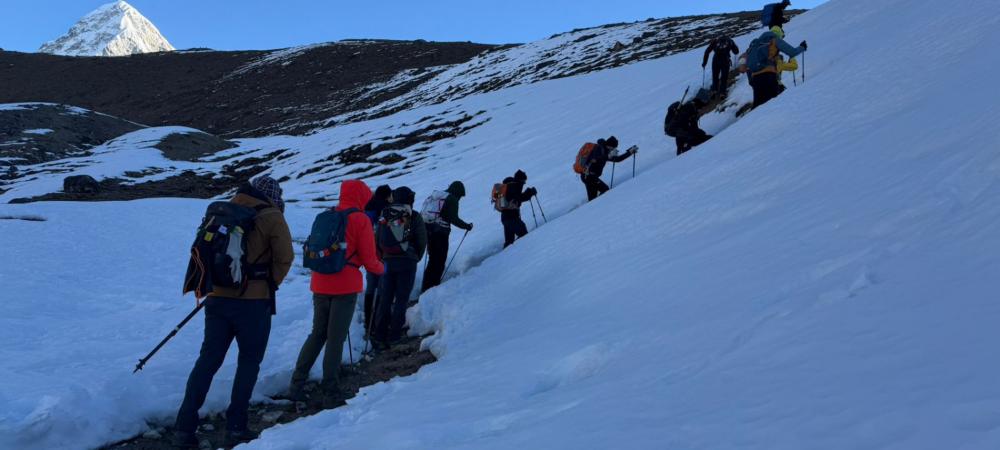
The “Red Line” isn’t a fixed number; it’s a trend. If your SpO2 drops below 70% and stays there despite rest and hydration, the mountain is telling you to descend. This is where the guide’s ego must be zero. I have had to turn back world-class athletes while 60-year-olds with a steady “Himalayan Shuffle” continued. High-altitude success is about how your body adapts, not how much you can bench press.
The Reality of Teahouse Living: A Technical Audit
People often think of teahouse trekking as “quaint.” In reality, it is a primal experience that becomes more repetitive and, at times, agonizing as you climb higher. As you move above Namche, the trees disappear, and the landscape becomes a barren, high-altitude desert. Life shrinks to the essentials: food, warmth, and rest.
- The Thermal Reality: Do not expect a mountain lodge with central heating. Most rooms are bare with two twin beds and thin blankets. Above 4,000m, the temperature inside your room will often drop below freezing. I tell my trekkers: your sleeping bag isn’t just for comfort; it is your survival capsule. If it isn’t rated for -15°C (minimum), you will not sleep.
- The Yak-Dung Economy: The central stove in the dining hall is the only heat source. It is fueled by dried yak dung, which provides a steady, low heat. Once that fire goes out around 8:30 PM, the “Teahouse Chill” sets in. You learn to retreat to your room quickly, often sleeping in your base layers and a hat.
- The Hydration Equation: You need 4 liters of water a day. Not because you are thirsty, but because your blood thickens at altitude. Thinner blood carries oxygen better. We advise against caffeine and alcohol above Namche; they are diuretics that sabotage your body’s ability to maintain its internal temperature.
The High-Altitude “Grind”: Crossing the Khumbu Moraine
The stretch between Lobuche and Gorak Shep is often the most mentally draining part of the journey. You aren’t walking on a trail anymore; you are walking on the moraine: the rocky debris pushed aside by the Khumbu Glacier. The ground is unstable, shifting under every step.
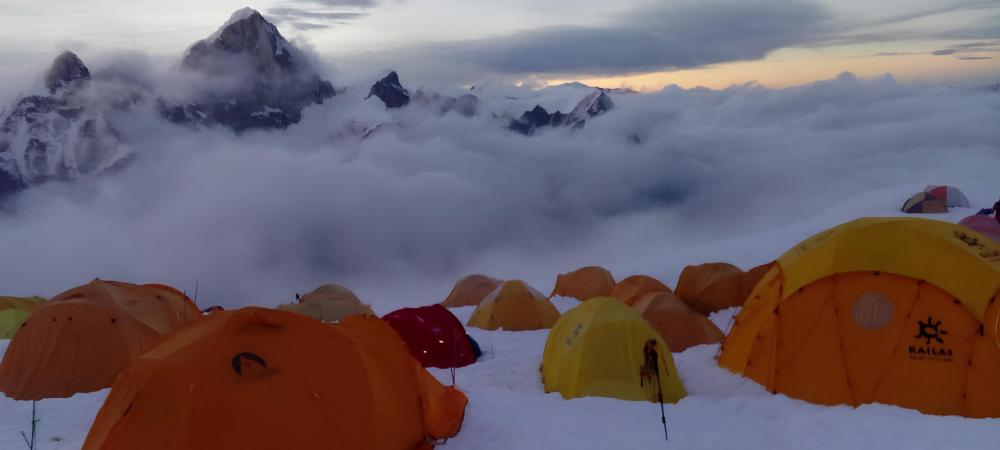
At 5,100 meters, every step feels like a marathon. This is where the “Khumbu Cough” becomes real. The air is so dry and cold that it can tear the lining of your throat. A real guide’s tip: wear a buff from day one to pre-warm the air before it hits your lungs. It’s the difference between reaching Base Camp and being stopped by a respiratory infection in Gorak Shep.
The Descent: Where the Danger Lives
Reaching Everest Base Camp is rarely the explosion of joy you see in movies. It is a feeling of deep satisfaction and immense gratitude. But once the photo is taken, the danger doesn’t vanish; it changes. In my experience, most injuries and severe altitude symptoms occur on the descent. Why? Because trekkers drop their guard.
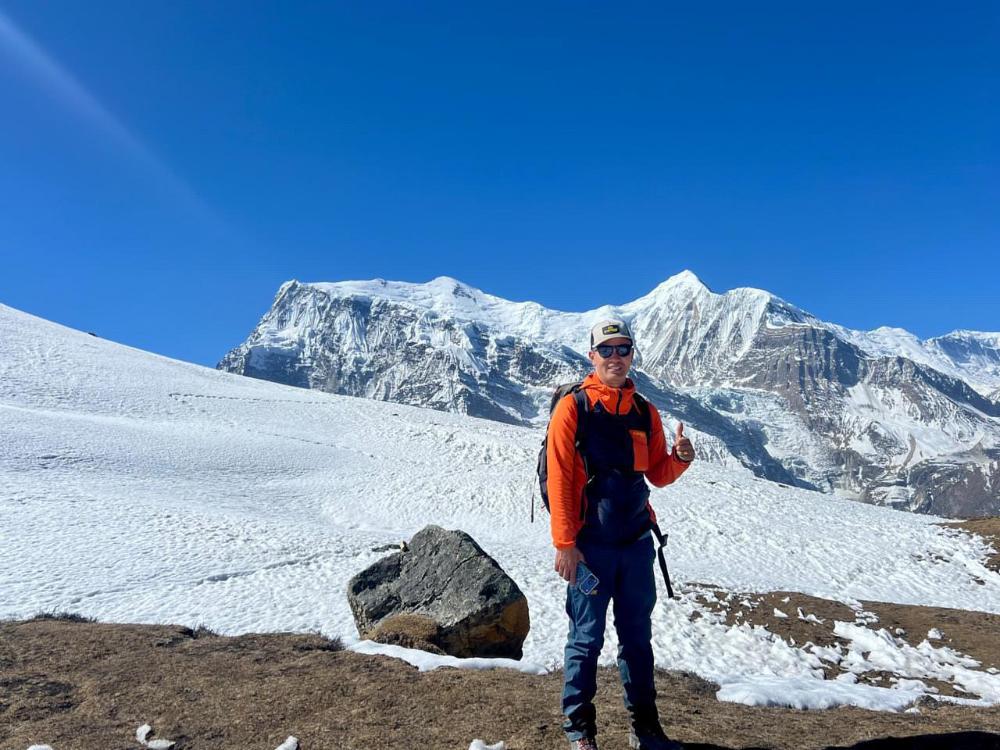
Your knees are taking 3-4 times your body weight with every downward step. Fatigue leads to sloppy foot placement on the rocky moraine. We maintain the same strict discipline on the way down as we do on the way up. The trek isn’t over until you are back on the plane in Lukla.
Guide’s Rules: How to Actually Succeed on the Everest Base Camp Track
- The 40% Capacity Rule: If you feel like you are walking too slowly, you are probably at the right pace. Save your energy for the final 500-meter climb to Kala Patthar.
- Active Recovery: On your rest days in Namche and Dingboche, we don’t just sit. We “hike high, sleep low.” We take you up another 300–400 meters to stress the lungs, then come back down to sleep. This triggers the production of red blood cells.
- Eat the Dal Bhat: We rely on the lentil and rice staple because it provides “24-hour power” and is the freshest thing in the kitchen. Avoid meat above Namche; porters carry it up, and it is rarely fresh.
- Check your Gear Specs: Do not bring bulky extras. Focus on high-quality down (800+ fill power) and boots that are already broken in. A blister at 4,500m can become a medical emergency. You can refer to the Everest Base Camp Trek Package for a comprehensive preparation guide.
Expertise and Safety
The mountain does not listen to your goals or aspirations; it only listens to your preparation. Having a team that understands the physiological signs of AMS (Acute Mountain Sickness) and handles logistics ensures you focus on the trail, not the stress. At Endless Sherpa Adventures, the experience we accumulated over the years tells us when to push and, more importantly, when to turn back.
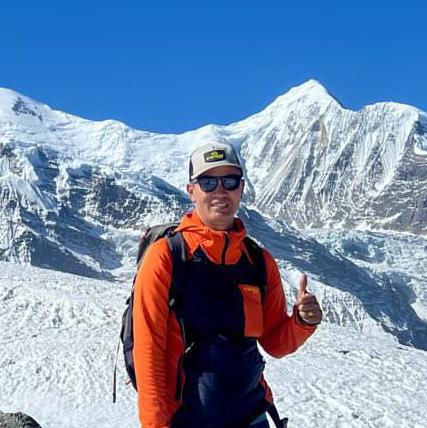
Pem Chhotar Sherpa is a climbing guide expert with over 12 years of experience specializing in high-altitude trekking in the Himalayas. Having led hundreds of trekkers to Everest Base Camp and beyond, he focuses on safety, cultural immersion, and the technical discipline required for success in the most demanding environments on Earth.