Africa doesn’t fit into a single postcard. It’s deserts that glow orange at sunrise, mountain gorillas watching you from ten feet away, and ancient churches carved straight into rock. The continent stretches across 54 countries, each with landscapes and wildlife you won’t find anywhere else on Earth.
- 1. Mount Kilimanjaro, Tanzania
- What to expect at Uhuru Peak
- Tip
- 2. Maasai Mara National Reserve, Kenya
- Safari game drives in the Mara
- Timing the Great Migration crossing
- 3. Victoria Falls, Zimbabwe & Zambia
- Zimbabwe side vs. Zambia side
- Best viewpoints and walking trails near Victoria Falls
- Tip
- 4. Table Mountain, South Africa
- Cable car vs. hiking up
- 5. Sahara Desert, Morocco
- Merzouga and Erg Chebbi dunes
- Overnight desert camps
- 6. Zanzibar, Tanzania
- Stone Town history and spice tours
- Beach stays on the east coast
- 7. Okavango Delta, Botswana
- Mokoro canoe safaris
- Best camps and lodges
- 8. Bwindi Impenetrable Forest, Uganda
- Mountain gorilla trekking permits
- What the trek is actually like
- 9. Lalibela, Ethiopia
- The rock-hewn churches
- Getting to Lalibela
- 10. Serengeti National Park, Tanzania
- Following the wildebeest migration
- 11. Ngorongoro Crater, Tanzania
- Wildlife on the crater floor
- Combining Ngorongoro with Serengeti
- 12. Sossusvlei, Namibia
- Climbing Dune 45 at sunrise
- Deadvlei and the skeleton trees
- Staying inside the park gates
- 13. Pyramids of Giza, Egypt
- Visiting the Great Pyramid
- The Grand Egyptian Museum
- 14. Kruger National Park, South Africa
- Big Five game drives
- Self-drive vs. guided safaris
- Best camps and entry gates
- 15. Chobe National Park, Botswana
- Elephant herds along the river
- Combining Chobe with Victoria Falls
- Read more
This list covers 15 Africa bucket list destinations that belong on your radar. Some are iconic spots you’ve seen in documentaries a hundred times. Others might surprise you. All of them offer something that stays with you long after you’ve returned home.
1. Mount Kilimanjaro, Tanzania
Standing at 19,341 feet, Kilimanjaro is Africa’s tallest peak and the highest freestanding mountain in the world. You don’t need technical climbing experience to reach the summit. What you do need is preparation, patience, and a willingness to push through five to nine days of challenging terrain.
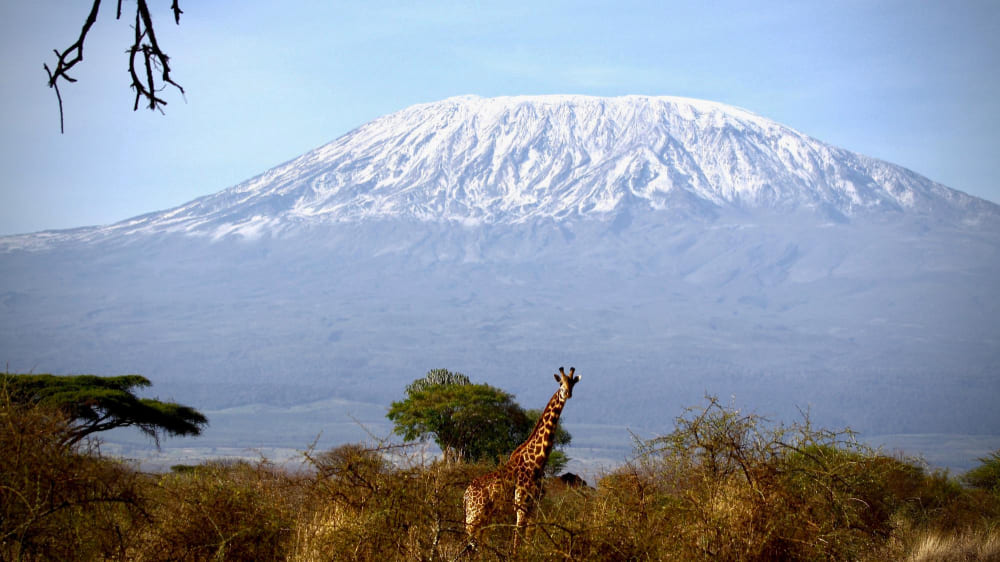
7 routes lead to Uhuru Peak. The Marangu Route is the most popular and the only one with hut accommodations. Locals call it the “Coca-Cola route” because of its relative comfort. The Machame Route offers better scenery and higher success rates due to its acclimatization profile.
| Marangu | 5-6 days | Moderate | Rainforest to alpine desert |
| Machame | 6-7 days | Challenging | Varied, dramatic views |
| Lemosho | 7-8 days | Moderate-Challenging | Remote, pristine wilderness |
| Rongai | 6-7 days | Moderate | Northern approach, drier |
What to expect at Uhuru Peak
Summit night starts around midnight. You’ll climb through freezing temperatures in complete darkness, headlamp lighting the rocky path ahead. The final push to Uhuru Peak typically coincides with sunrise. Standing at the top, you can see the curvature of the Earth and glaciers that scientists say may vanish within decades.
Tip
The summit success rate hovers around 65% across all routes. Choosing a longer route with better acclimatization can push your odds above 85%.
2. Maasai Mara National Reserve, Kenya
The Mara is the kind of place that made you fall in love with wildlife documentaries as a kid. Golden grasslands stretch to the horizon. Lions doze under acacia trees. Elephants move through the bush in family groups.
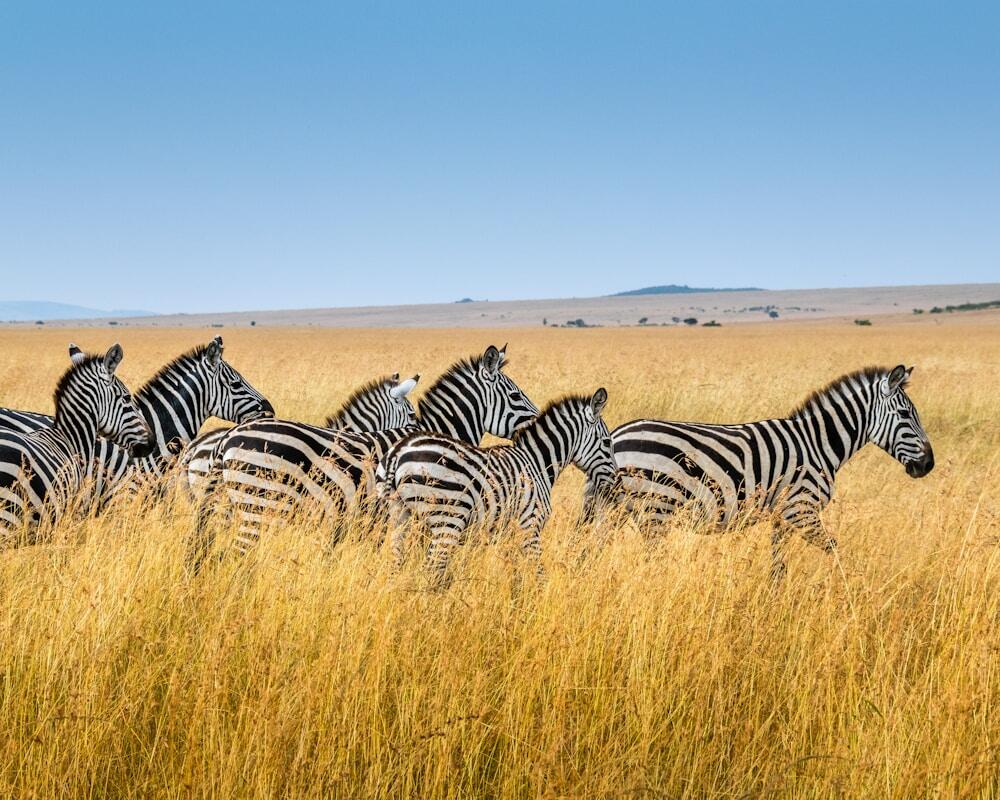
Located in southwestern Kenya, the reserve covers roughly 580 square miles and connects to Tanzania’s Serengeti, forming one continuous ecosystem.
Safari game drives in the Mara
Morning and afternoon game drives offer the best wildlife viewing. Predators are most active during cooler hours. Your guide will know where lion prides have been spotted and which watering holes attract the biggest herds. A typical game drive lasts three to four hours.
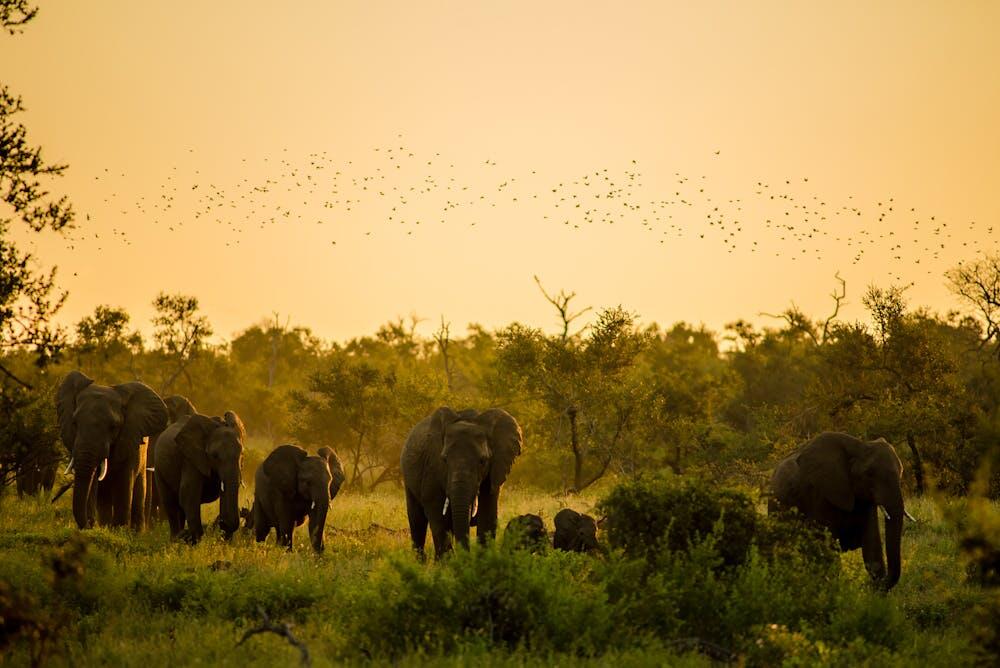
The Big Five all live here. Lions are almost guaranteed. Leopards require more patience but sightings happen regularly. Elephants, buffalo, and rhinos round out the list. Beyond the famous five, you’ll encounter hippos, giraffes, zebras, wildebeest, and more bird species than you can count.
Timing the Great Migration crossing
Between July and October, the Great Migration passes through the Mara. Over two million wildebeest, zebras, and gazelles cross from the Serengeti in search of fresh grazing. The river crossings are what most people come to see. Thousands of animals plunge into crocodile-filled waters in a chaotic, heart-pounding spectacle.
- July-August: Herds arrive from Tanzania
- September-October: Peak crossing activity at Mara River
- November: Migration begins moving south again
3. Victoria Falls, Zimbabwe & Zambia
The local name is Mosi-oa-Tunya, meaning “The Smoke That Thunders.” You’ll understand why when you hear the roar from miles away and see the mist rising above the gorge. Victoria Falls spans nearly a mile across and drops over 350 feet. During peak flow, it’s the largest curtain of falling water on Earth.
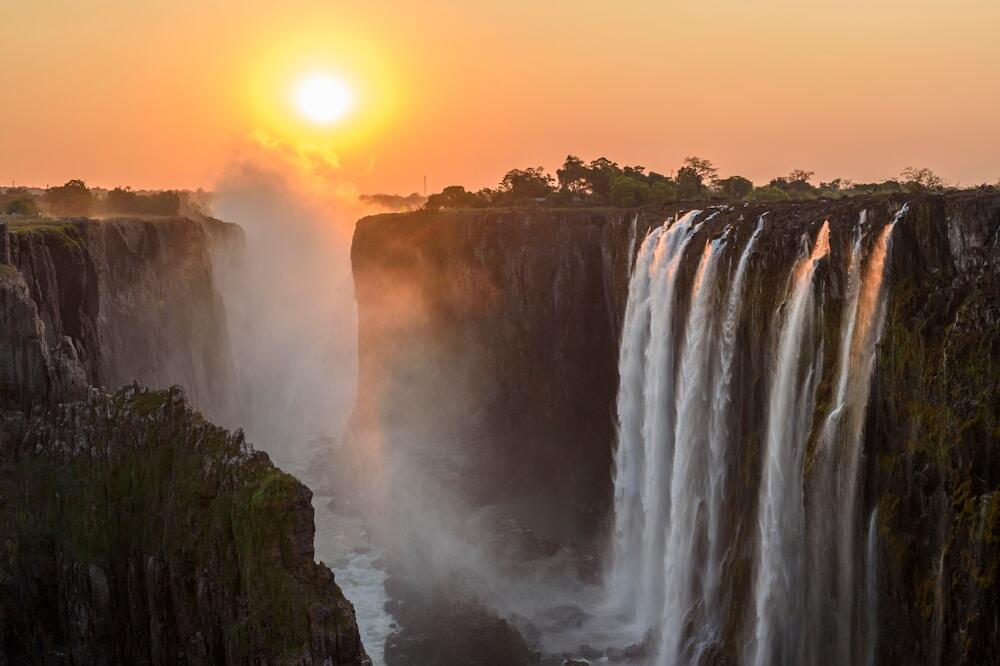
The falls straddle the border between Zimbabwe and Zambia. Both sides offer different perspectives and experiences. Most visitors try to see both if time and visa logistics allow.
Zimbabwe side vs. Zambia side
Zimbabwe’s Victoria Falls National Park provides the most comprehensive views. A network of paved paths lets you see roughly 75% of the falls. You will get soaked during high water season.
Zambia’s side offers fewer viewing angles but a more intimate experience. The Devil’s Pool, a natural infinity pool at the lip of the falls, is only accessible from Zambia between September and December.
Best viewpoints and walking trails near Victoria Falls
The main trail on the Zimbabwe side takes about two hours if you stop at every viewpoint. Danger Point and the Main Falls viewpoint offer the most dramatic perspectives.
Tip
Bring waterproof protection for your camera and phone. The spray is intense enough to damage electronics within minutes.
On the Zambia side, Livingstone Island tours include a guided swim in Devil’s Pool.
4. Table Mountain, South Africa
Cape Town’s most recognizable landmark rises 3,558 feet above the city. The flat-topped mountain appears on postcards, wine labels, and the dreams of hikers worldwide. Table Mountain is part of a national park protecting one of the world’s most diverse floral kingdoms, with over 1,500 plant species.
Cable car vs. hiking up
The Cableway whisks you to the top in about five minutes. Round-trip tickets cost around $25. Book online in advance to skip long lines.
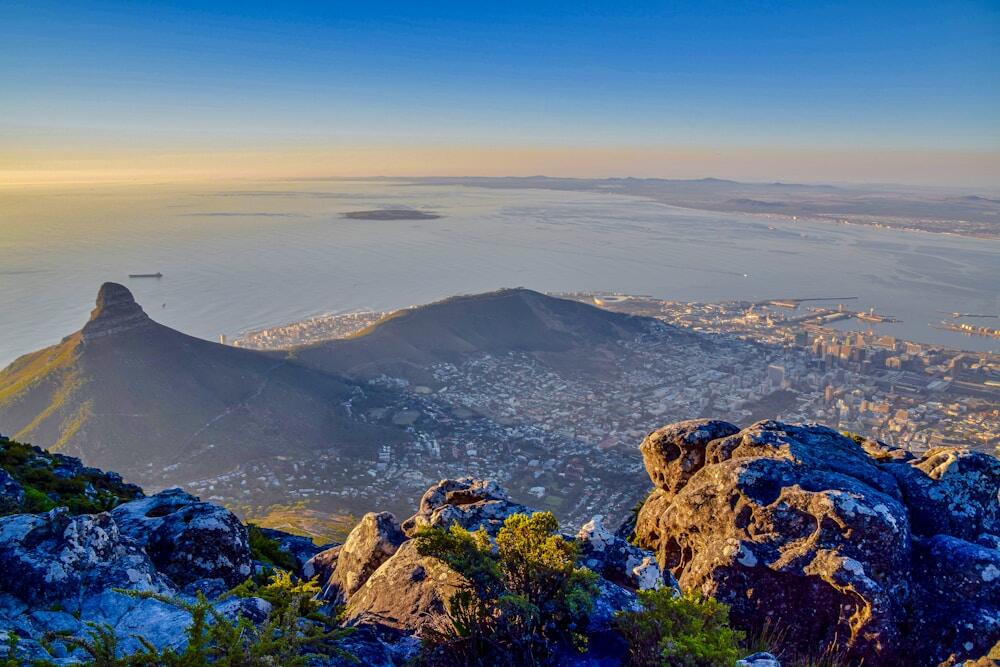
Hiking up takes two to four hours depending on your route and fitness. Platteklip Gorge is the most direct path. The India Venster route offers more scrambling and better views. Always check weather conditions before starting.
Sunrise hikers should start in the dark to reach the top as the sun comes up over the city. Sunset from the summit is equally spectacular, with the cable car running late during summer months. The “tablecloth” of clouds that sometimes spills over the mountain creates an otherworldly scene.
5. Sahara Desert, Morocco
The world’s largest hot desert covers most of North Africa. Morocco offers the most accessible entry point for travelers wanting to experience its scale. The dunes near Merzouga rise over 500 feet and glow in shades of orange, gold, and red depending on the light.
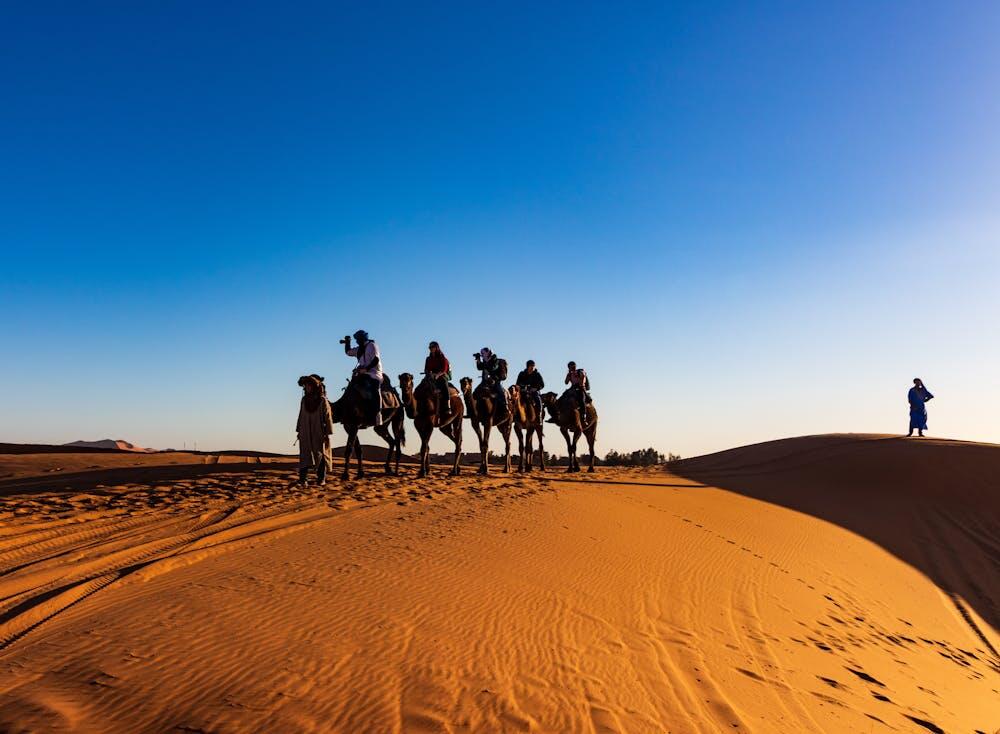
Getting to the desert requires commitment. It’s roughly a 10-hour drive from Marrakech, though most travelers break the journey into multiple days through the Atlas Mountains.
Merzouga and Erg Chebbi dunes
Merzouga is the gateway town to Erg Chebbi, Morocco’s most famous dune field. The sand sea stretches for miles, with individual dunes reaching heights that dwarf everything around them.
| Camel trek to camp | 1.5 hours each way | Included in camp stay |
| ATV/quad tour | 2 hours | $40-60 |
| Sandboarding | Half day | $30-50 |
| 4×4 desert excursion | Full day | $80-150 |
Overnight desert camps
Sleeping in the Sahara is the main reason people make the journey. Camps range from basic Berber tents to luxury glamping setups. Prices run from $30 for budget camps to $300+ for high-end experiences.
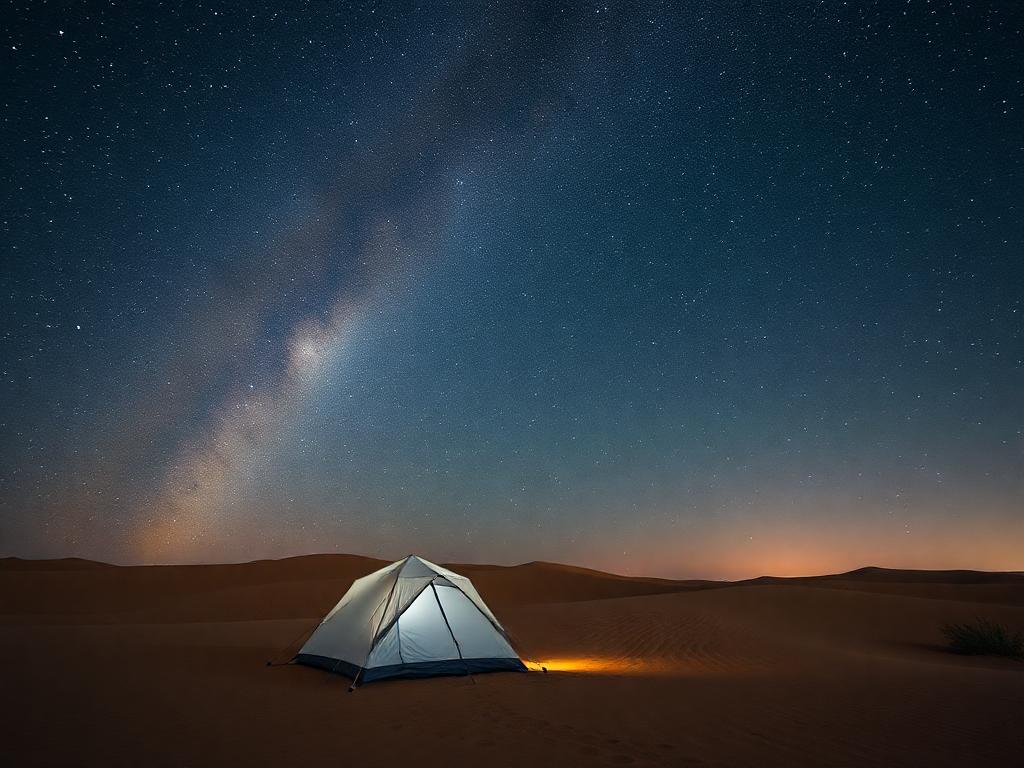
The standard itinerary involves a late afternoon camel ride to camp, dinner under the stars, drumming around a fire, and waking for sunrise over the dunes.
6. Zanzibar, Tanzania
This archipelago off Tanzania’s coast has been a crossroads of cultures for centuries. Arab traders, Persian merchants, Portuguese colonizers, and African kingdoms all left their mark.
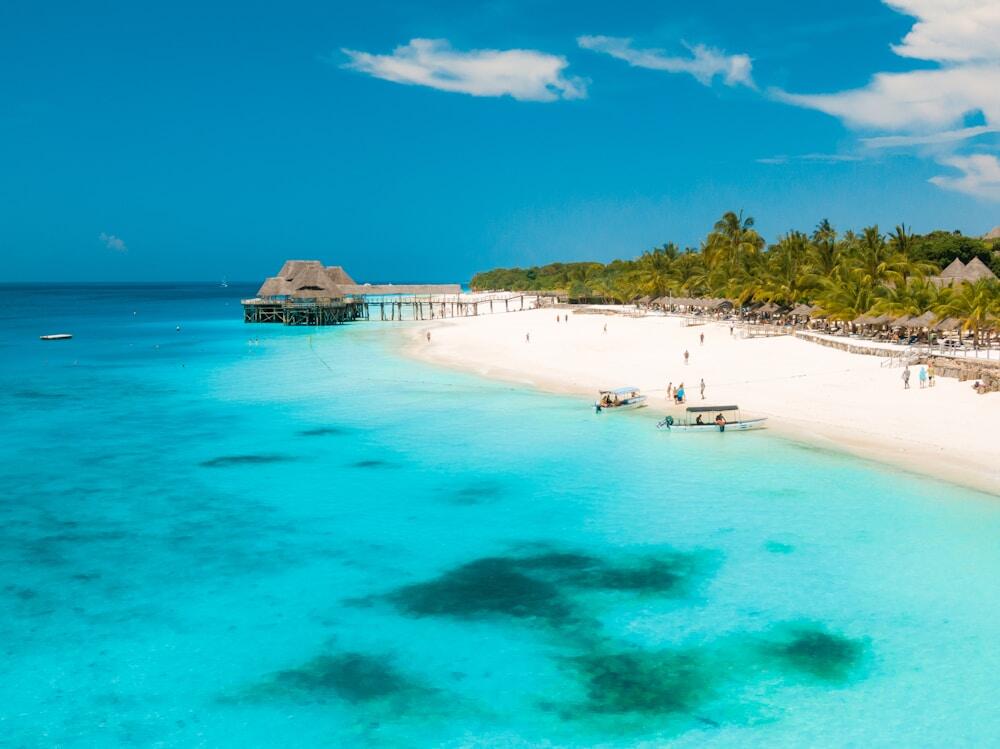
Today it’s a mix of spice farms, white-sand beaches, and winding stone alleyways. Most visitors split time between Stone Town and beach resorts on the north or east coast.
Stone Town history and spice tours
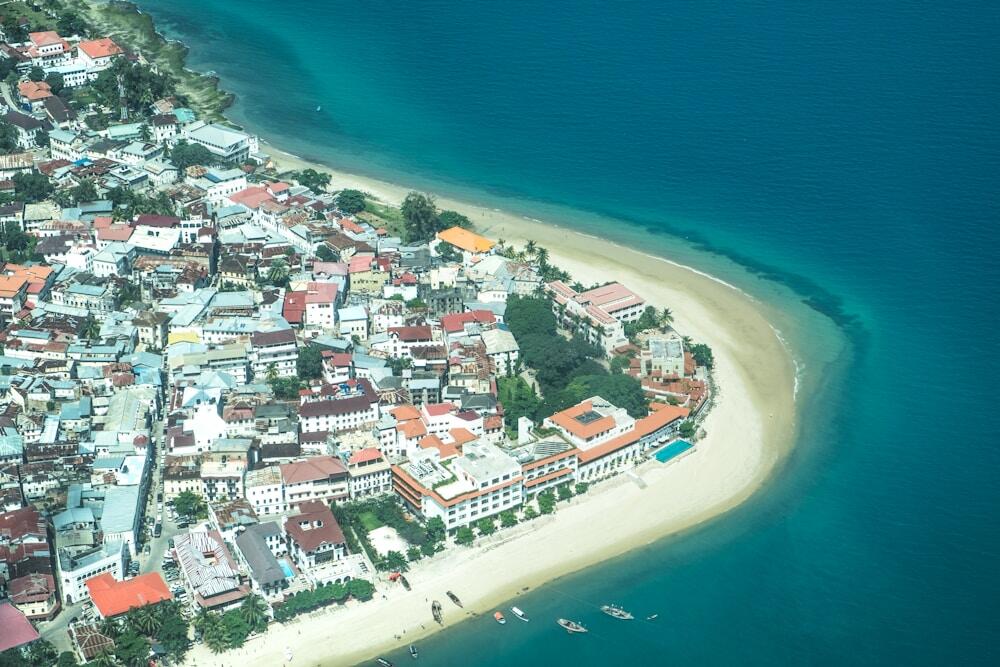
Stone Town’s UNESCO-listed center is a maze of narrow streets, carved wooden doors, and crumbling colonial buildings. The old slave market site offers a sobering look at the island’s dark history.
Spice tours take you into plantations where vanilla, cinnamon, nutmeg, and cloves grow. You’ll taste fresh fruits and learn how Zanzibar earned its nickname as the Spice Island.
Beach stays on the east coast
The east coast beaches have powdery white sand and turquoise water. Nungwi and Kendwa in the north have more nightlife. Paje and Jambiani on the east coast are quieter, with low tide exposing sandbars you can walk for miles.
- Nungwi: Best for swimming (no tidal issues)
- Kendwa: Beach parties and resorts
- Paje: Kitesurfing hub
- Jambiani: Local village feel, seaweed farming
7. Okavango Delta, Botswana
Every year, floodwaters from Angola’s highlands flow into Botswana and disappear into the Kalahari sand. This creates the world’s largest inland delta, a watery maze of channels, lagoons, and islands supporting astonishing wildlife.
The delta is remote and expensive. Most camps are accessible only by small aircraft. This exclusivity keeps visitor numbers low and the wilderness intact.
Mokoro canoe safaris
A mokoro is a traditional dugout canoe, now usually made from fiberglass. Your guide stands at the back, poling silently through the reeds. You sit low to the water, eye level with hippos and crocodiles. It’s the quietest, most intimate way to experience the delta.
“There is something about safari life that makes you forget all your sorrows and feel as if you had drunk half a bottle of champagne.” — Isak Dinesen, Out of Africa
Best camps and lodges
Okavango camps range from rustic to ridiculous luxury. Chief’s Camp and Mombo are regularly named among the world’s best safari lodges. Budget options exist in Moremi Game Reserve.
Expect to pay $500-1,500 per person per night at mid-range to luxury camps. This includes all meals, activities, drinks, and airstrip transfers.
8. Bwindi Impenetrable Forest, Uganda
Half of the world’s remaining mountain gorillas live in this mist-shrouded forest in southwestern Uganda. Roughly 1,000 individuals exist in the wild. Tracking them through dense jungle is one of the most sought-after wildlife experiences on Earth.
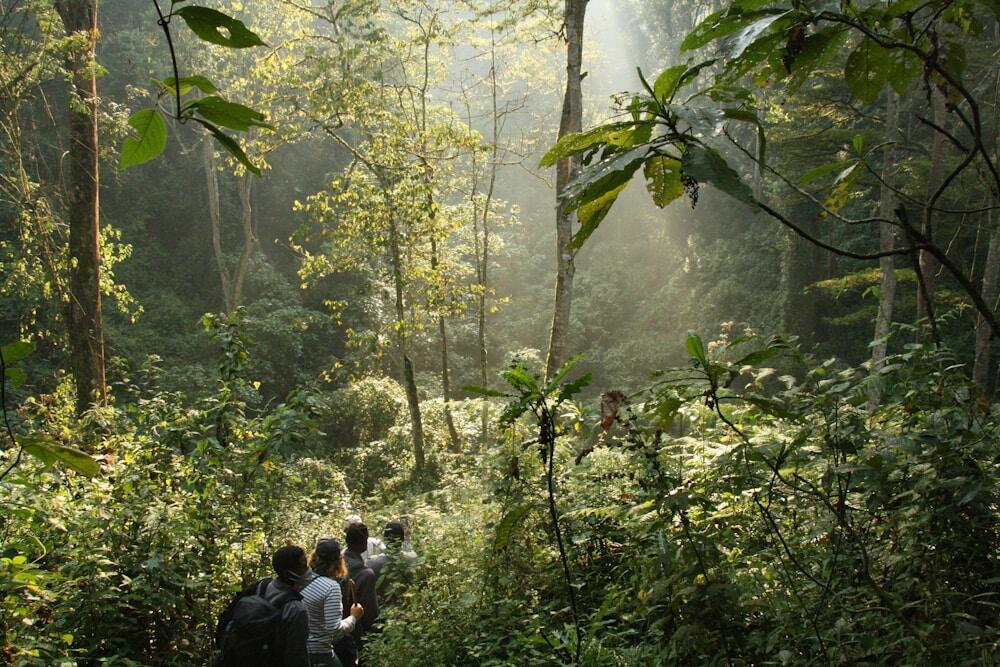
Bwindi sits at elevations between 3,900 and 8,500 feet. The forest earned its name honestly. Vines, ferns, and undergrowth tangle so thickly that progress sometimes requires machetes.
Mountain gorilla trekking permits
Permits cost $700 per person in Uganda. Only eight people can visit each habituated gorilla group per day. Book months in advance through the Uganda Wildlife Authority or a registered tour operator.
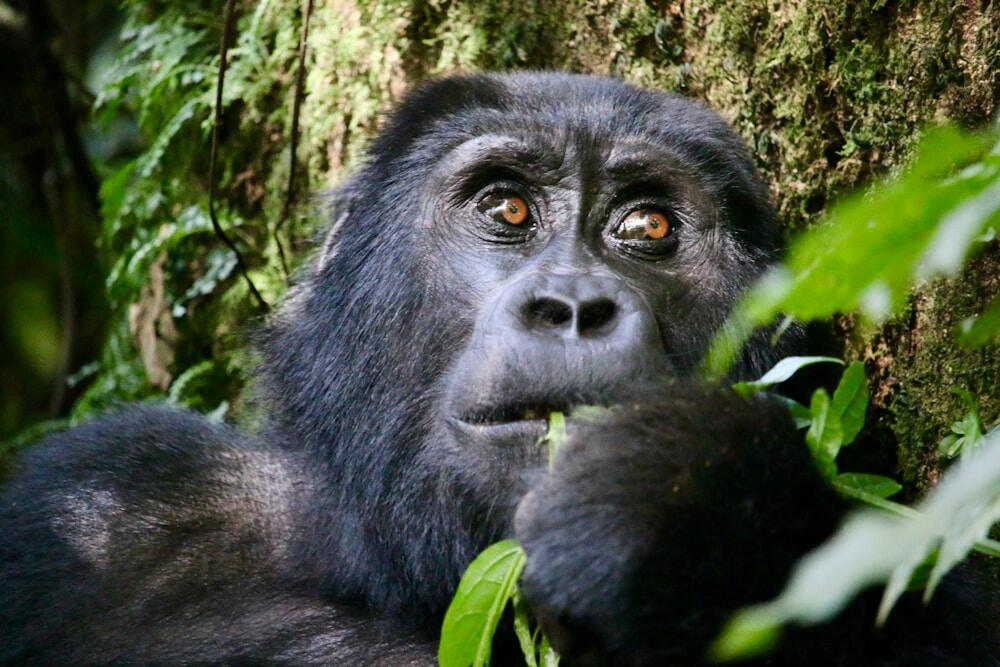
Rwanda also offers gorilla trekking in Volcanoes National Park at $1,500 per permit.
What the trek is actually like
Treks last anywhere from one to eight hours. You might find gorillas within 30 minutes or hike through mud and rain most of the day. Porters are available to carry your bag and help on steep sections.
When you finally reach the gorilla family, you have exactly one hour. Silverbacks weighing 400 pounds sit within arm’s reach. Juveniles play and wrestle. Mothers nurse infants. It’s overwhelming in the best possible way.
9. Lalibela, Ethiopia
In the 12th century, King Lalibela set out to build a “New Jerusalem” in the Ethiopian highlands. The result was 11 churches carved directly into solid rock, connected by tunnels and trenches. They remain active places of worship today.
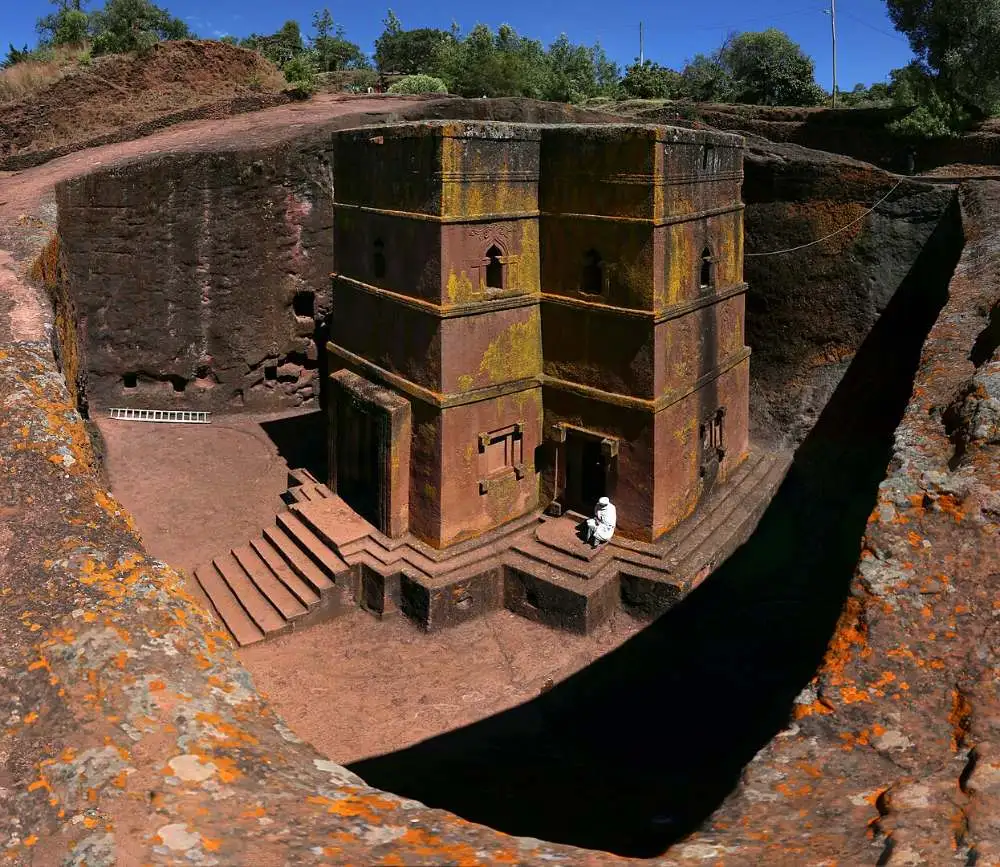
Lalibela sits at 8,500 feet in the Amhara region. The town transforms during religious festivals when pilgrims arrive by the thousands.
The rock-hewn churches
The churches are divided into two main clusters plus the isolated Bet Giyorgis, carved in the shape of a cross. Each structure was chiseled from the top down, with workers removing rock to reveal columns, windows, and interior spaces.
| Bet Medhane Alem | Largest rock-hewn church in the world |
| Bet Giyorgis | Cruciform shape, dramatic setting |
| Bet Maryam | Oldest church, beautiful interior |
| Bet Golgotha | Contains King Lalibela’s tomb |
Ethiopian Christmas (Genna) falls on January 7th. Tens of thousands of pilgrims travel to Lalibela to celebrate. Timkat, the Epiphany festival in late January, is equally spectacular. If you visit during these times, book accommodation at least six months ahead.
Getting to Lalibela
Ethiopian Airlines operates daily flights from Addis Ababa, taking about an hour. Overland travel is possible but slow. Most travelers fly in, spend two to three days exploring the churches, then continue to other destinations.
10. Serengeti National Park, Tanzania
The name comes from the Maasai word “siringet,” meaning endless plains. At 5,700 square miles, the Serengeti delivers on that promise. This is where the Great Migration begins and where the African savanna looks exactly like you pictured it.
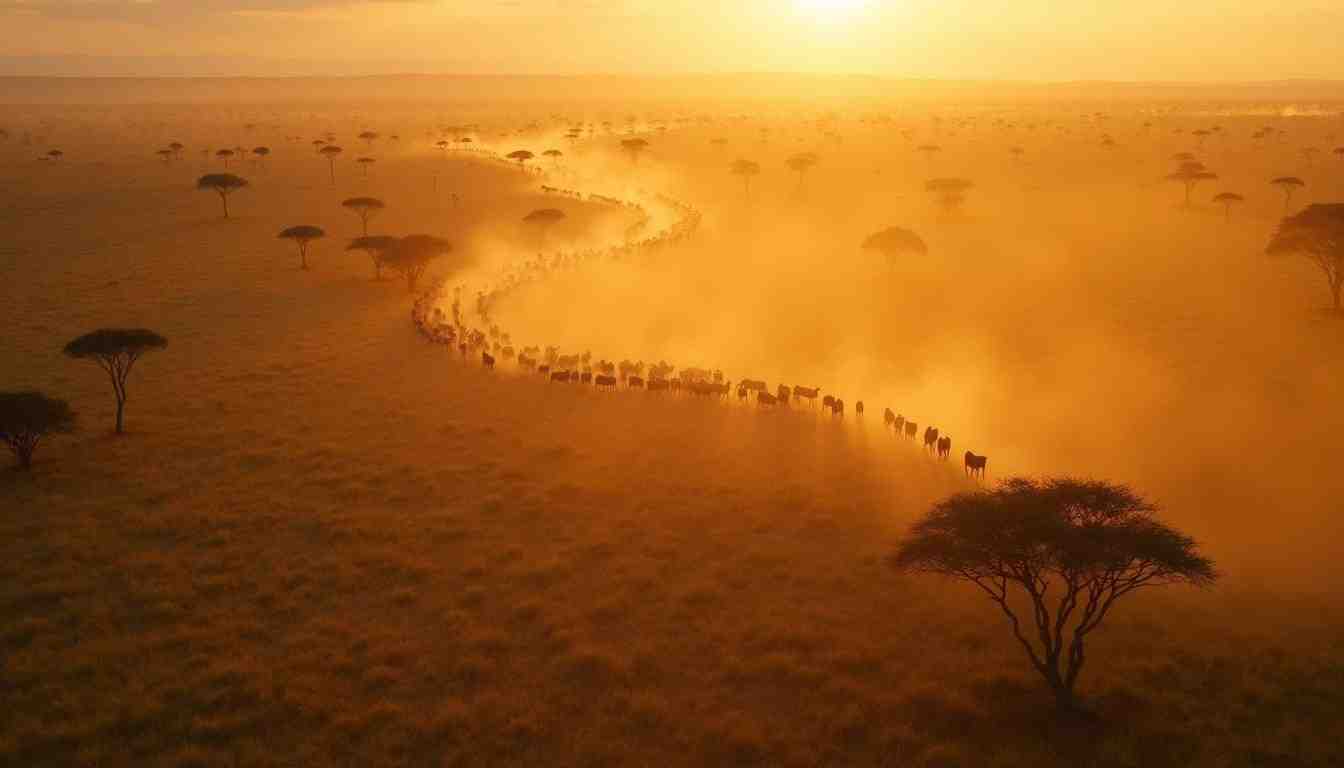
The park lies in northern Tanzania, accessible from Arusha by road or air.
Following the wildebeest migration
The migration is a year-round cycle, not a single event. Herds move continuously in search of fresh grass and water. Understanding their general pattern helps you time your visit:
- December-March: Calving season in southern Serengeti
- April-May: Herds move west and north
- June-July: Western Corridor river crossings
- August-October: Northern Serengeti and into Kenya
- November: Return south begins
11. Ngorongoro Crater, Tanzania
This collapsed volcanic caldera forms a natural enclosure roughly 12 miles across. The crater floor sits 2,000 feet below the rim and supports around 25,000 large animals. It’s the closest thing to a guaranteed Big Five sighting in Africa.
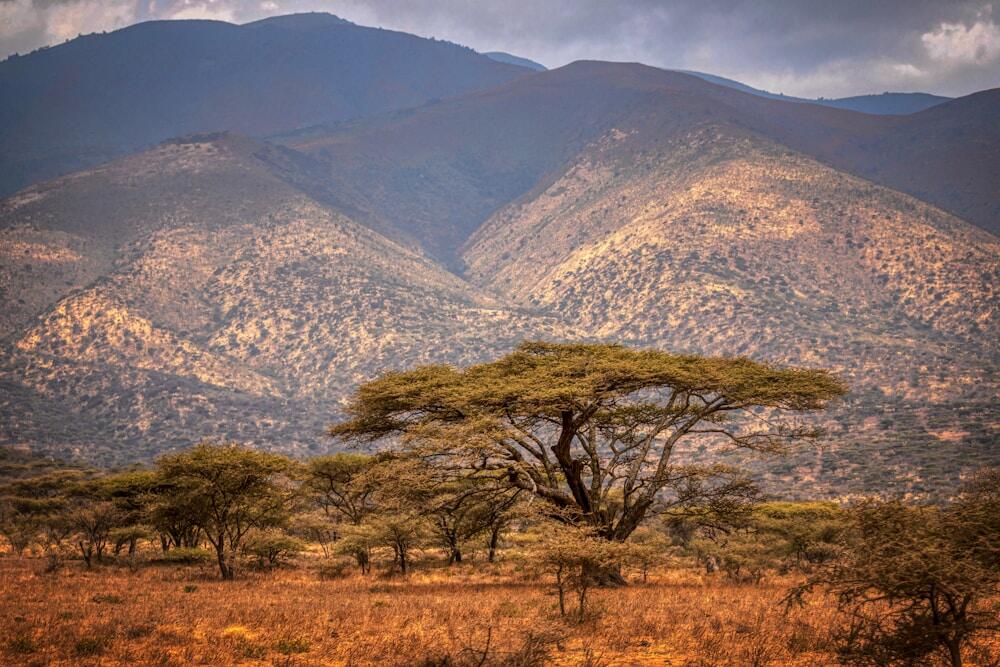
Ngorongoro sits along the northern safari circuit, usually combined with the Serengeti.
Wildlife on the crater floor
The crater’s resident population includes lions, elephants, buffalo, and the critically endangered black rhino. Unlike migratory animals in the Serengeti, most wildlife here stays year-round.
Hippos wallow in pools. Flamingos gather at Lake Magadi. A morning game drive often produces more sightings than a full day elsewhere.
Combining Ngorongoro with Serengeti
The two parks sit adjacent to each other. Most itineraries include two to three nights in each. Travel between them takes three to four hours by vehicle, passing through the Ngorongoro Conservation Area with its highland scenery and Maasai communities.
12. Sossusvlei, Namibia
The dunes here are among the tallest on Earth, some reaching over 1,000 feet. Wind and time have sculpted them into flowing curves that shift color throughout the day. At sunrise, the contrast between shadow and light creates scenes that look digitally altered.
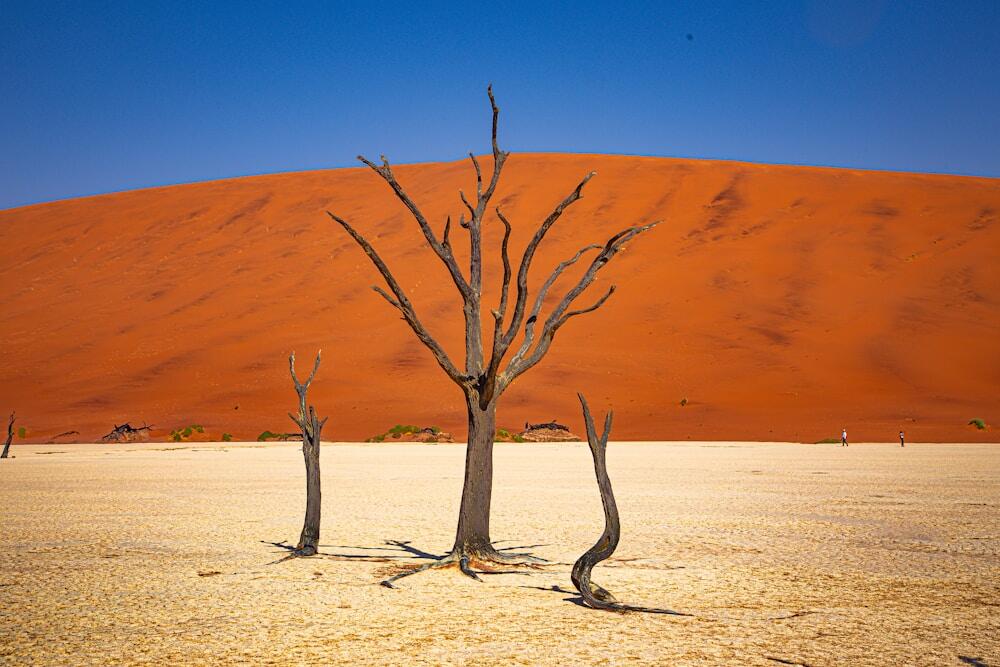
Sossusvlei sits within Namib-Naukluft National Park, about five hours from Windhoek.
Climbing Dune 45 at sunrise
Dune 45, named for its distance from the Sesriem gate, is the most accessible and most climbed. The ridge line offers a clear path to the top. Sand shifts beneath your feet with each step. Plan 45 minutes to an hour for the climb, with plenty of stops to catch your breath and admire the view.
Most photographers set up before dawn, capturing the moment when first light hits the dune’s eastern face while shadows fill the western curves.
Deadvlei and the skeleton trees
Beyond Sossusvlei lies Deadvlei, a white clay pan dotted with blackened camelthorn trees. The trees died over 600 years ago when the climate shifted. They don’t decompose because the environment is too dry.
“The desert tells a different story every time one ventures on it.” — Robert Edison Fulton Jr., travel writer
The walk from the parking area takes about 20 minutes through soft sand.
Staying inside the park gates
Only two accommodation options exist inside the park: Sossus Dune Lodge and Sesriem Campsite. Both allow access before the gates open to day visitors. This head start makes a significant difference during busy months.
13. Pyramids of Giza, Egypt
The last surviving wonder of the ancient world sits at the edge of Cairo. The Great Pyramid stood for nearly 4,500 years as the tallest human-made structure on Earth. Standing at its base, the scale is almost impossible to process.
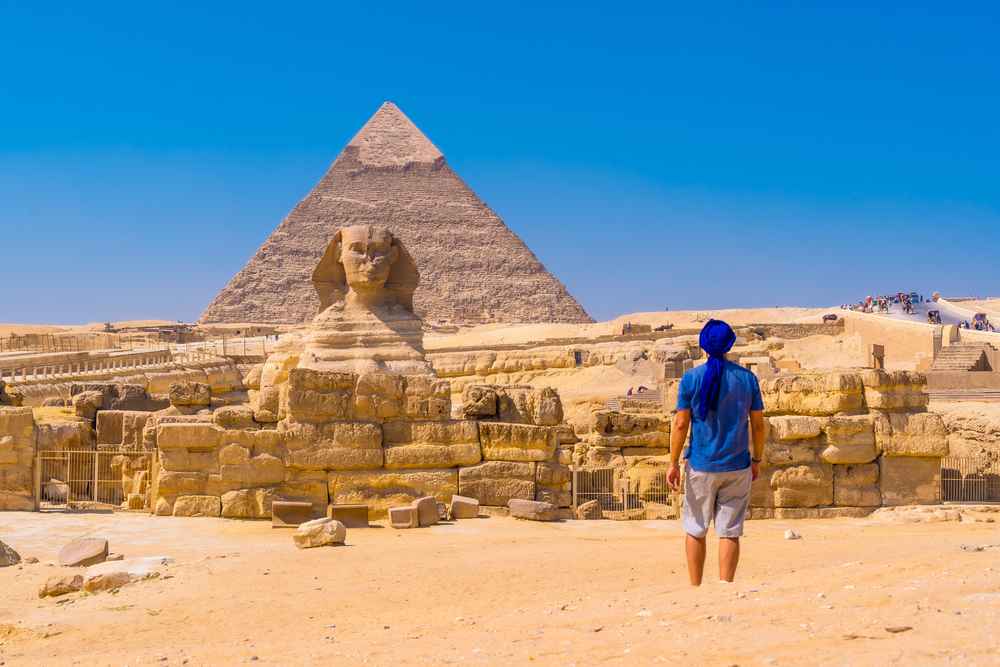
Giza is technically its own city, but part of the greater Cairo metropolitan area. The pyramids rise above apartment blocks and traffic jams.
Visiting the Great Pyramid
The Great Pyramid of Khufu allows a limited number of visitors inside each day. An additional ticket (around $18) grants access to narrow passages leading to the King’s Chamber. The space is hot, cramped, and contains only an empty granite sarcophagus.
The Grand Egyptian Museum
The new Grand Egyptian Museum near the pyramids houses the largest collection of ancient Egyptian artifacts in the world. King Tutankhamun’s complete treasure collection finally has a proper home here.
- Over 100,000 artifacts on display
- Tutankhamun galleries with 5,000+ items
- Views of the pyramids from the museum
- Restaurants and educational facilities
14. Kruger National Park, South Africa
Kruger is South Africa’s flagship safari destination and one of the largest game reserves in Africa. At nearly 7,500 square miles, the park has been protecting wildlife since 1898, giving ecosystems over a century to thrive.
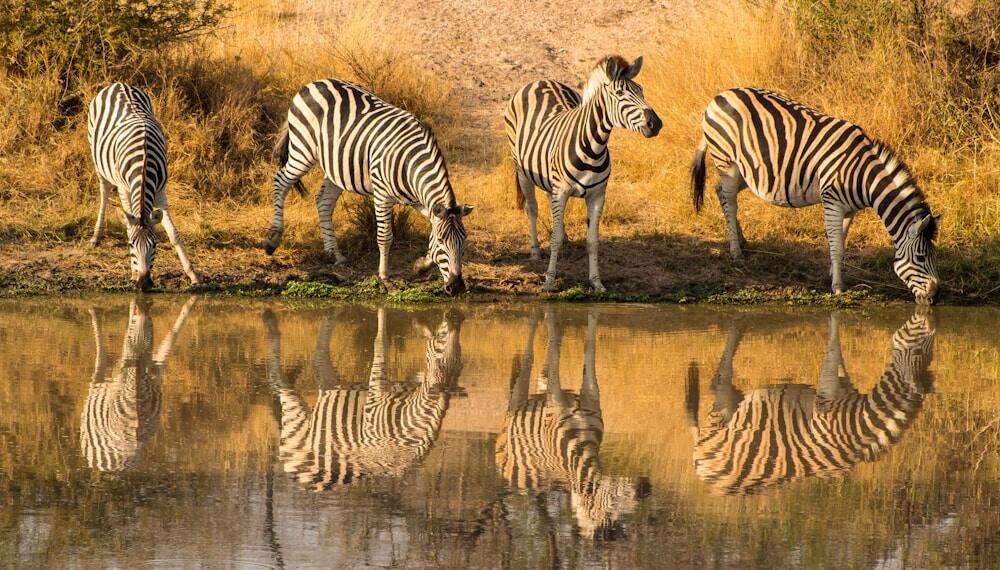
The southern sections are most accessible from Johannesburg, about a five-hour drive.
Big Five game drives
All five are present in good numbers. Lion and elephant sightings happen almost daily. Leopards require patience and luck but live throughout the park. Buffalo herds gather near water sources. Rhinos, especially black rhinos, are the toughest to spot but still possible.
| Lion | Central region near Satara | Easy |
| Elephant | Throughout, especially near rivers | Very easy |
| Leopard | Along rivers, near camps | Moderate |
| Buffalo | Central and southern regions | Easy |
| Rhino | Southern region, private reserves | Challenging |
Self-drive vs. guided safaris
Kruger allows self-driving on a network of paved and gravel roads. This gives you flexibility and keeps costs down. A 4×4 isn’t necessary for main roads.
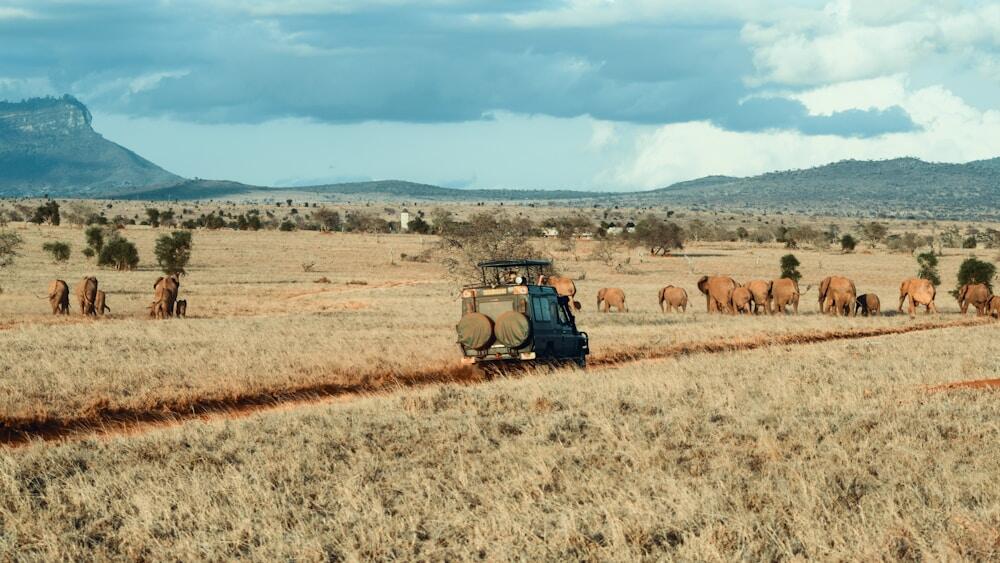
Guided game drives use open vehicles with better views. Guides know where animals have been spotted and can go off-road in private concessions. Night drives reveal nocturnal species like aardvarks and bush babies.
Best camps and entry gates
Kruger has 12 main rest camps plus numerous bush camps and luxury lodges. Lower Sabie and Skukuza are popular in the south. Satara offers excellent predator viewing in the central region. Olifants has dramatic views from its hilltop perch.
- Phalaborwa Gate: Access to central region
- Kruger Gate: Near Skukuza, most popular entry
- Crocodile Bridge: Southern entry, excellent game viewing
15. Chobe National Park, Botswana
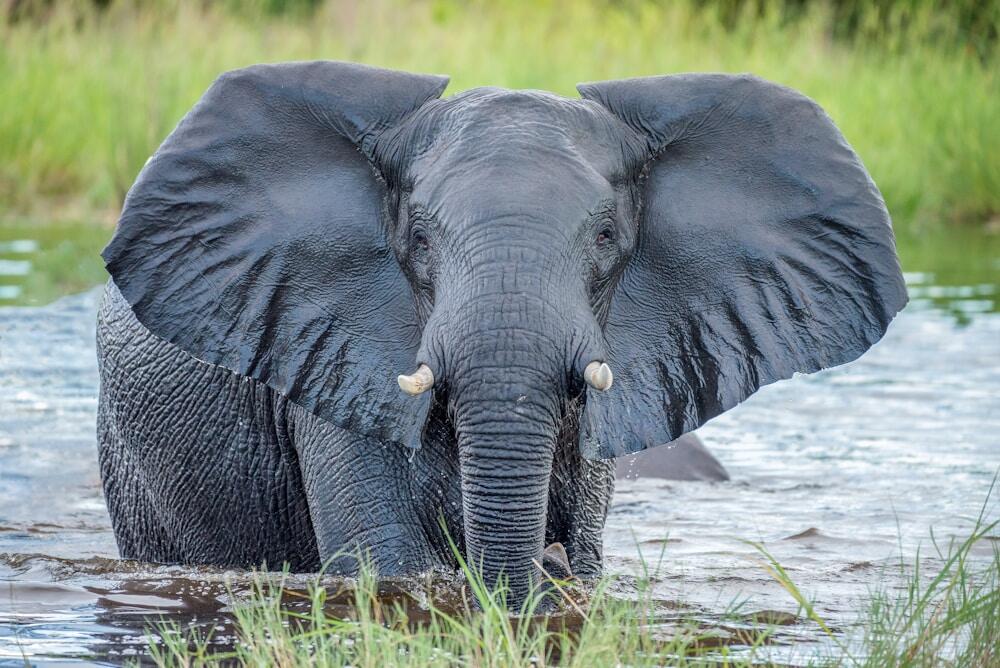
Chobe holds the largest elephant population on the continent. During dry season, herds of 100 or more gather along the Chobe River. The water attracts hippos, crocodiles, buffalo, and the predators that follow them.
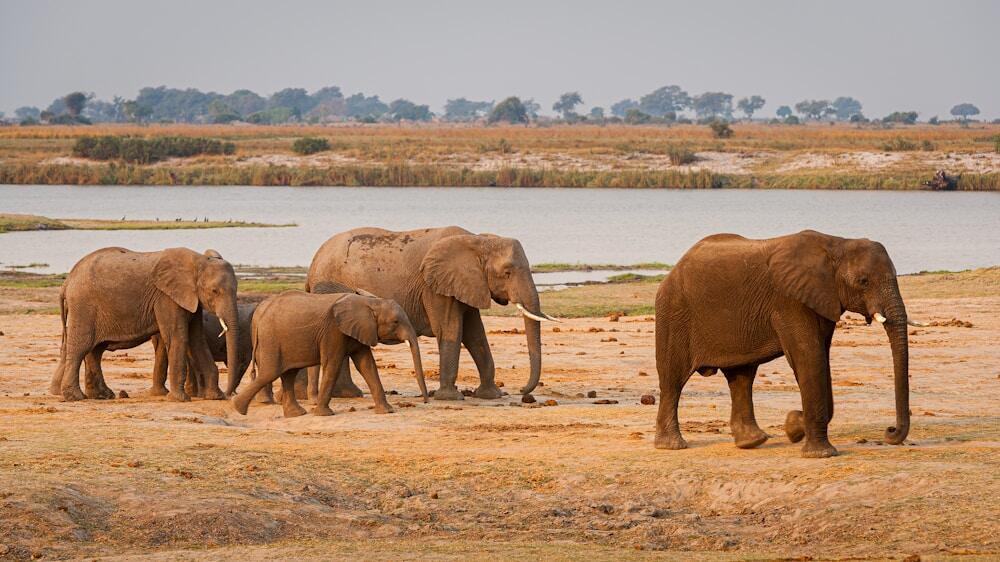
The park sits in northern Botswana, easily combined with Victoria Falls just 50 miles away.
Elephant herds along the river
An estimated 120,000 elephants live in the Chobe ecosystem. The river’s edge becomes an elephant highway during afternoon hours. Breeding herds splash and play while bulls test strength in pushing matches.
“Elephants love reunions. They recognize one another after years and years of separation and greet each other with wild, boisterous joy.” — Jennifer Richard Jacobson, author
Combining Chobe with Victoria Falls
The proximity makes this an obvious pairing. Spend a few days at the falls for adventure activities, then cross into Botswana for a safari. Border crossings are straightforward, with visas available on arrival for most nationalities.
Africa rewards the travelers who show up with open eyes. You could spend a lifetime here and still discover something new. The mountain you climb in Tanzania connects to the plains where lions hunt in Kenya. The water flowing through Botswana’s delta originated as rain in Angola.