Some hikes are hard because they never seem to end. Others are hard because one look down turns your legs to water. This list has both kinds.
- What makes a day hike genuinely hard
- 1. Caminito del Rey, Spain
- Insight
- Booking Caminito del Rey tickets
- 2. Trolltunga, Norway
- Tip
- Where to start the Trolltunga hike
- 3. Huayna Picchu, Peru
- The Huayna Picchu Stairs of Death
- 4. Mount Huashan, China
- The Huashan plank walk
- 5. Grand Canyon Rim-to-Rim, Arizona
- Why Grand Canyon Rim-to-Rim is brutal
- 6. Kalalau Trail, Kauai
- Crawler’s Ledge on the Kalalau Trail
- Tip
- 7. Angels Landing, Zion
- The Angels Landing chains section
- 8. Half Dome, Yosemite
- Winning the Half Dome permit lottery
- 9. Laguna de los Tres, Patagonia, Argentina
- Fitz Roy’s brutal final kilometer
- 10. Crib Goch, Wales
- The Crib Goch knife-edge ridge
- Which one is calling you
- Read more
I pulled together 10 of the toughest day hikes on the planet. A few will wreck your quads. A few will test your nerve far more than your fitness. All of them can be done in a single, very big day.
You don’t need to be an elite athlete for most of these. You do need honest preparation, the right conditions, and real respect for what each trail asks. Here’s what you’re actually signing up for, and how to plan each one before you go.
What makes a day hike genuinely hard
Difficulty isn’t one thing. A flat 20-mile slog and a 400-meter cliff ledge are both “hard,” but they break you in completely different ways. It helps to know which kind you’re facing before you commit.
Most of the trails below fall into one of two camps, and a few sit in both:
- Endurance hikes punish you with distance, elevation gain, heat, altitude, or relentless wind. The danger builds slowly as your legs and focus fade.
- Nerve hikes are often short, but they string you along narrow ledges, chained spines, or vertical stairs with big drops. The danger is instant and it lives in your head.
Here’s how all ten compare at a glance, so you can pick the flavor of hard that suits you.
| Hike | Where | Distance (round trip) | Elevation gain | Typical time | The hard part |
|---|---|---|---|---|---|
| Caminito del Rey | Spain | 4.8 mi (7.7 km), one way | Minimal | 3–4 hrs | Exposure on cliff boardwalks |
| Trolltunga | Norway | 17 mi (27 km) | 2,600 ft (800 m) | 10–12 hrs | Sheer distance |
| Huayna Picchu | Peru | Short, roughly 2 mi | ~1,000 ft (300 m) | 3–4 hrs | Steep, exposed Inca stairs |
| Mount Huashan | China | Varies (plank walk is short) | Up to ~2,000 ft (600 m) on foot | Half to full day | Plank walk vertigo |
| Grand Canyon Rim-to-Rim | Arizona, USA | ~24 mi (38 km) | 6,000+ ft (1,800+ m) climb | 10–14 hrs | Distance plus canyon heat |
| Kalalau Trail | Kauai, USA | 22 mi (35 km) | Rolling, cumulative | 10–14 hrs | Length, mud, cliff ledges |
| Angels Landing | Zion, USA | 5 mi (8 km) | 1,500 ft (450 m) | 3–5 hrs | Chained, exposed spine |
| Half Dome | Yosemite, USA | 15 mi (24 km) | 4,800 ft (1,460 m) | 10–14 hrs | Distance plus the cables |
| Laguna de los Tres | Patagonia, Argentina | 15 mi (25 km) | 3,500 ft (1,100 m) | 8–10 hrs | Brutal final kilometer |
| Crib Goch | Wales | 7 mi (11.5 km) | 3,300 ft (1,000 m) | 5–7 hrs | Knife-edge ridge scramble |
One more thing worth saying up front. “Hardest” doesn’t always mean most dangerous, and it doesn’t always mean longest. A short scramble with a fatal drop can be riskier than a 24-mile march on a wide, safe trail. Read each entry for what it actually demands of you, not just the numbers in the table.
1. Caminito del Rey, Spain
Caminito del Rey earned its old reputation as one of the most dangerous walks in the world for a reason. The original path crumbled for decades until people were dying on it. Spain rebuilt it and reopened it in 2015, and the version you walk today is a modern, bolted, helmet-required boardwalk.
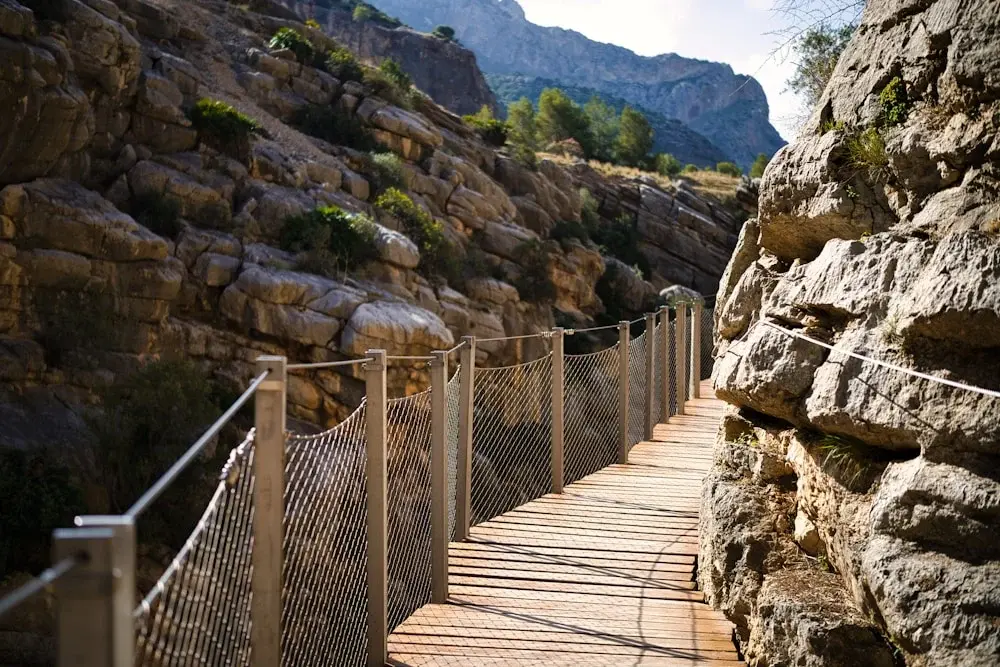
So why is it on a “hardest” list? Because hard isn’t only about your legs. This is 4.8 miles (7.7 km) of near-flat walking pinned to a limestone gorge, with wooden planks hanging up to 100 meters above the Guadalhorce River. The walls of the Desfiladero de los Gaitanes close to just 10 meters apart in places. Your body barely works. Your nerves do all the labor.
Insight
Caminito del Rey is the rare hike that’s physically easy and mentally exhausting. If you have a fear of heights, this is where you’ll find out for certain.
The route runs one way, north to south, and finishes near El Chorro. A shuttle bus links the two ends, so you don’t have to double back on tired ankles. Most visitors come as a day trip out of Málaga, driving to the Ardales car park or taking the train straight to El Chorro station. Either way, you’re on the walkway itself for only a couple of hours, which makes this the most accessible entry on the list.
Booking Caminito del Rey tickets
Daily numbers are strictly capped, and tickets sell out fast in high season, often weeks ahead around weekends and Easter. General admission runs about 10 euros through the official site, with guided tours closer to 18 euros. A tenth-anniversary suspension bridge, billed as the longest of its kind in Spain, has been added to the route as well.
2. Trolltunga, Norway
Trolltunga is the thin slab of rock jutting over Ringedalsvatnet lake that you’ve seen a thousand times on Instagram. What the photo never shows is the day it takes to earn that shot. This is a serious mountain hike, not a viewpoint stroll.
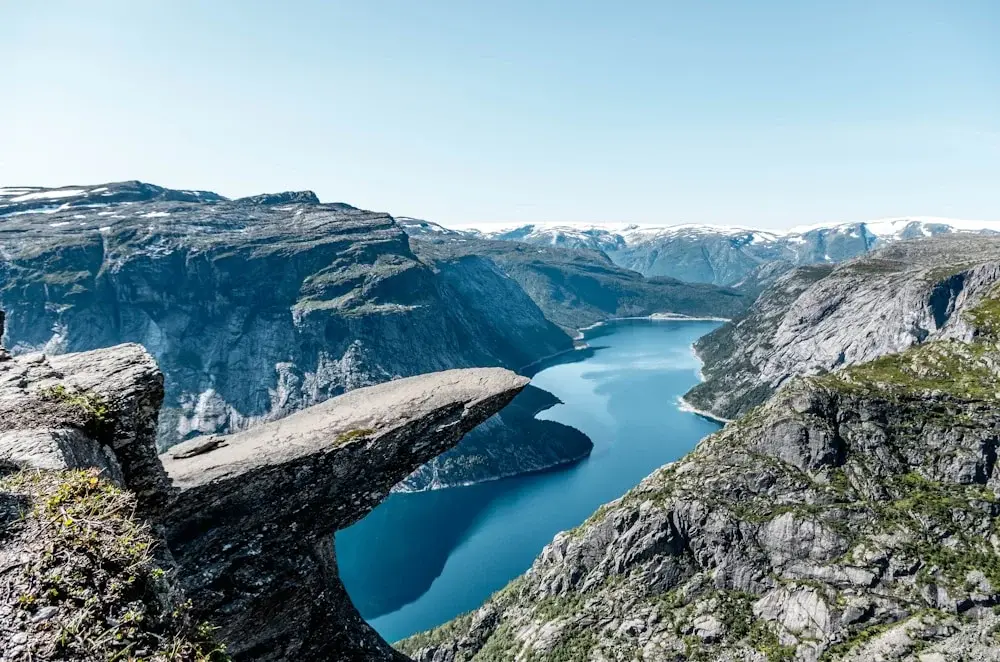
From the main P2 Skjeggedal trailhead, the classic route runs about 17 miles (27 km) round trip with roughly 2,600 feet (800 m) of climbing. Most walkers need 10 to 12 hours. The first kilometer is the meanest part, a steep, relentless pull up stone steps with no warm-up for your lungs.
The trail is well marked and non-technical in summer, so fitness is the real gatekeeper. Weather is the wild card. Rain slicks the rock, and storms build fast over the plateau, so an early start and proper layers matter more than bravado.
Tip
If the full P2 distance worries you, book P3 and hike the same iconic ledge with hours shaved off your feet. There’s no shame in the shorter start.
There are no shops or cafes on the mountain, so you carry all your own food and water for a 10-hour day. Rangers post seasonal turnaround times too, and if you’re not fast enough to reach the ledge by the cutoff, you’ll be turned back to keep you off the mountain after dark.
Where to start the Trolltunga hike
Your parking choice changes the whole day. Starting at P2 gives you the full 28 km with 800 m of gain. Starting higher at P3 Mågelitopp cuts the trip to about 20 km with only 300 m of climbing, which turns a brutal day into a merely long one. P3 parking must be booked in advance, and spaces are limited.
3. Huayna Picchu, Peru
Huayna Picchu is the steep green peak looming behind every classic Machu Picchu photo. Climbing it is short, but it’s one of the most heart-in-throat ascents you can do without a rope. The summit sits at 2,720 meters (8,924 ft), and the route packs more than 1,600 ancient stone steps into a tight, near-vertical climb.
Most people reach the top in around two hours and take a slower, careful hour and forty back down. Careful is the operative word. The famous section, nicknamed the Stairs of Death, is a run of Inca steps cut at angles above 60 degrees, damp on one side and open to a long drop on the other.
Despite the ominous name, the trail is regulated and no visitor has actually died on those steps. That doesn’t make them feel any less exposed when you’re using both hands on wet rock.
The Huayna Picchu Stairs of Death
Access is tied to a timed Machu Picchu ticket, sold as Circuit 3, Route A, which pairs the citadel’s lower section with the climb. Only around 350 to 400 spots are released per day across fixed morning entry times, and they routinely sell out three to four months ahead. There’s no guide required, but there is no walking up on a whim either.
Book your Circuit 3 ticket the moment your Machu Picchu dates are set, and pick the earlier entry slot so you climb before the midday heat and crowds.
4. Mount Huashan, China
Mount Huashan is the one people mean when they say “the world’s most dangerous hike.” That reputation rests almost entirely on one stretch: the plank walk in the sky, a 700-year-old path of wooden boards bolted to the sheer face of the South Peak.
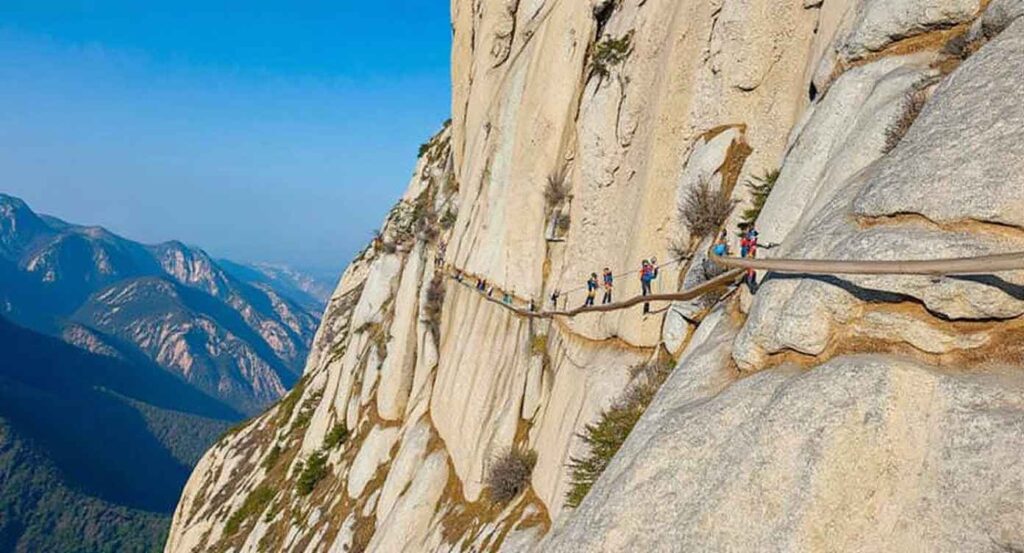
The planks are barely a foot wide, with a drop of at least 650 meters beneath your heels and only an iron chain to grip. You clip into a harness, shuffle out sideways against the cliff, reach a small platform, then return the same way. Statistically it’s very safe. It will still rearrange your sense of self.
Getting to the planks is its own workout. The broader mountain hike involves long, punishing staircases, and many visitors take cable cars to spare their legs for the peaks and the plank walk itself. You can do the whole thing as a day trip from Xi’an by high-speed train.
The Huashan plank walk
The harness is compulsory and rented on the spot for a small fee. Traffic on the planks runs both directions on the same narrow boards, so you’ll pass people while clipped to the same cable, which is half the thrill. Go as early as you can, since queues here build quickly and the platform bottlenecks.
5. Grand Canyon Rim-to-Rim, Arizona
Rim-to-Rim is the classic American endurance test, and it flips normal hiking logic on its head. You start by descending thousands of feet, which feels great, then you pay for every one of them on the climb out when your legs are already cooked.
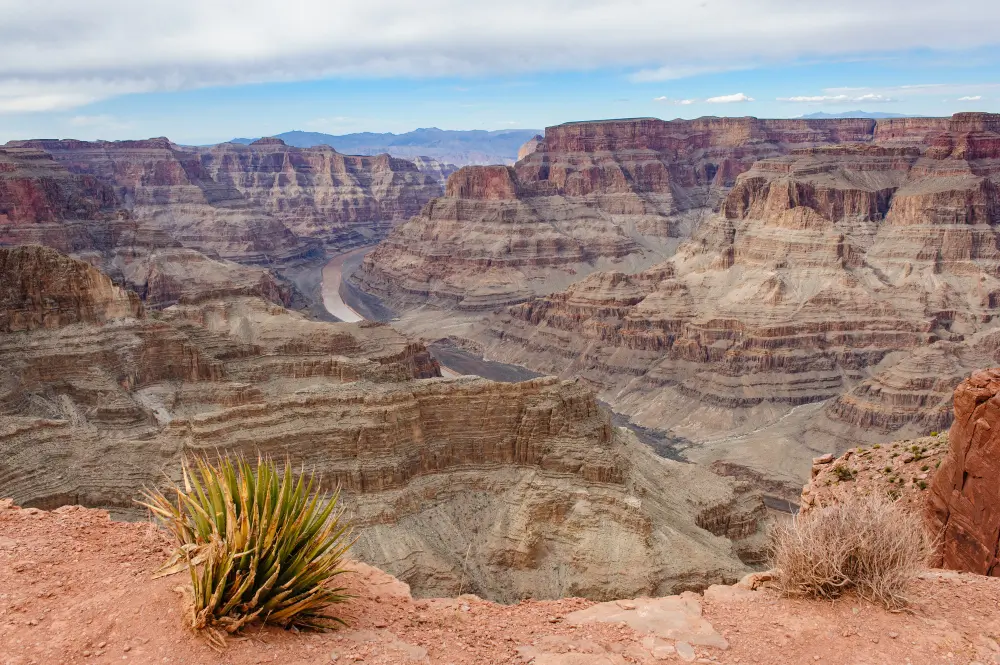
The full crossing covers roughly 24 miles (38 km) with more than 6,000 feet of climbing on the up side. The South Kaibab Trail drops about 4,700 feet in seven miles to the Colorado River, and the North Kaibab side is longer and gentler but seems to go on forever. Fit hikers who pull it off in a day walk out with a stiff, shuffling gait that locals actually recognise.
Heat is the real killer here, not the distance. Temperatures at the bottom can run 40 degrees hotter than the rims, and dehydration is a genuine danger in summer.
Why Grand Canyon Rim-to-Rim is brutal
Two things stack up: the reverse profile and the climate. You can’t bail halfway and coast home, because home is a vertical mile above you. Spring and autumn are the sane windows, when you trade the risk of scalding heat for possible snow and big temperature swings on the rims.
One planning note for right now. The North Rim reopened for the 2026 season on May 15 after the 2025 Dragon Bravo Fire, but with limited services and no overnight lodging while recovery continues, so confirm current trail and facility status before you build a trip around it.
6. Kalalau Trail, Kauai
The Kalalau Trail traces 11 miles of Kauai’s Na Pali Coast, one improbable green valley after another, above turquoise water and 4,000-foot sea cliffs. Done as an out-and-back day push, that’s 22 miles of rolling, root-tangled, often muddy trail with cumulative climbing that adds up fast.
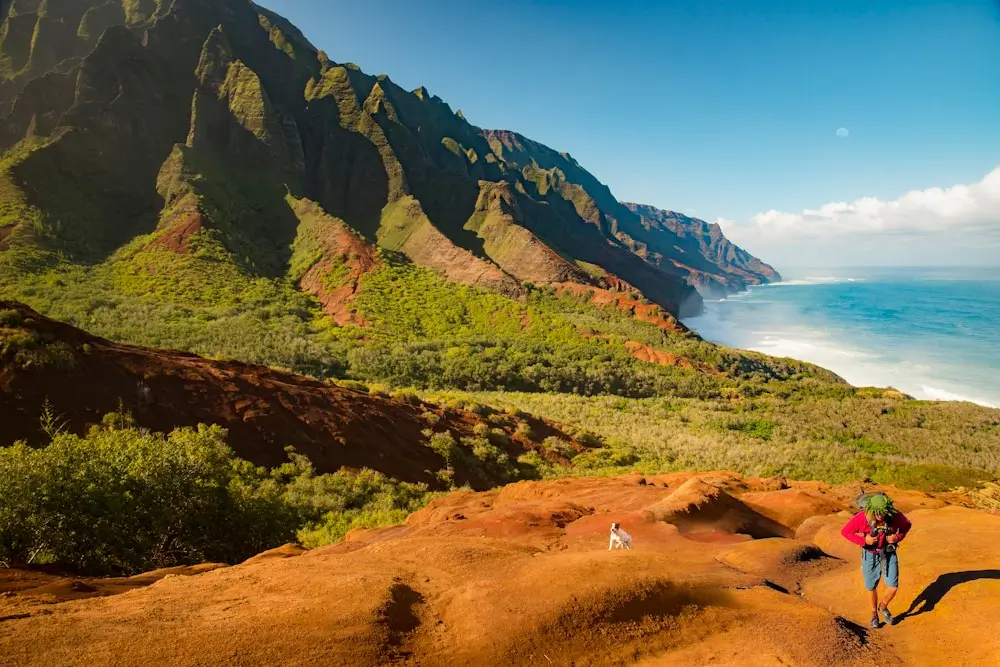
It’s beautiful in a way that’s hard to overstate, and it’s genuinely dangerous in stretches. The infamous Crawler’s Ledge near mile seven is a narrow cliffside path with a long fall to the sea below. Rain turns the red dirt to slick clay, and flash floods in the valleys have swept people away.
Many day hikers wisely turn around at Hanakāpīʻai Beach or the falls beyond it, which still makes for a full, satisfying day without the most exposed sections.
Crawler’s Ledge on the Kalalau Trail
A permit is mandatory to go past Hanakāpīʻai at mile two, for day hikers and campers alike, and enforcement is strict. Overnight permits for non-residents run about 35 dollars per person per night and famously vanish within seconds when released 90 days ahead. Day access to the first two miles into Hāʻena State Park needs its own advance reservation for parking or the shuttle.
Tip
If Crawler’s Ledge or the permit scramble feels like too much, hike to Hanakāpīʻai Falls and back. It’s a tough, gorgeous day that stays inside the 2-mile permit line.
Conditions here change with the weather and with storm damage, and Hawaii’s state parks have seen closures during recent storm recovery, so check the official status close to your date.
7. Angels Landing, Zion
Angels Landing is short, and that fools people. Five miles round trip with about 1,500 feet of gain doesn’t sound like much until you’re standing on the final half-mile: a narrow sandstone spine with sheer drops on both sides and a chain bolted into the rock as your only handhold.
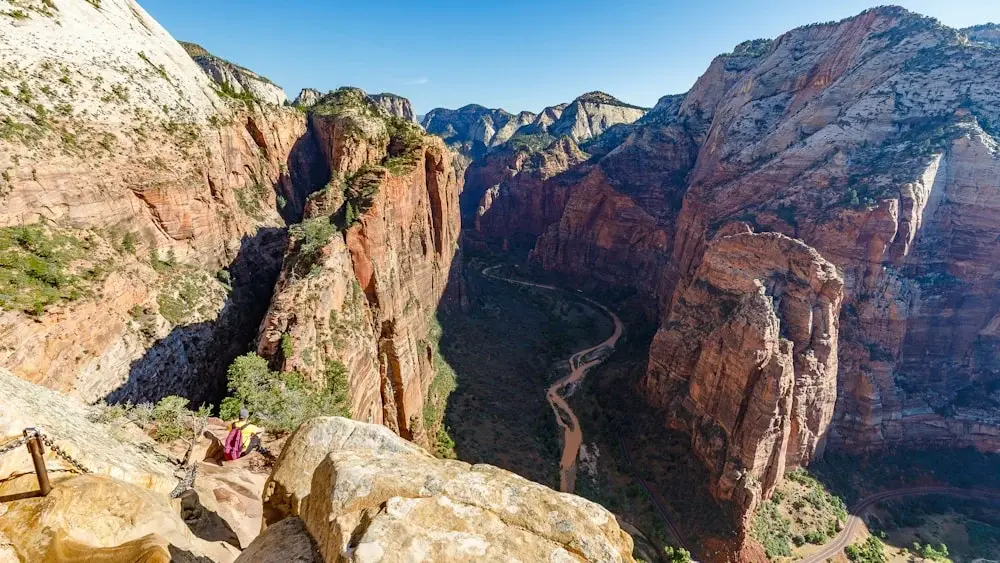
The approach alone is a leg-burner, climbing Walter’s Wiggles, a set of tight engineered switchbacks, up to Scout Lookout. Then the real test begins. The chained section is where nerve matters more than fitness, and it’s not the place for anyone shaky about heights.
The views over Zion Canyon, more than 1,400 feet below, are the payoff. You earn every one of them one careful handhold at a time.
The Angels Landing chains section
A permit is required year-round to pass Scout Lookout onto the chains, awarded by lottery through Recreation.gov since 2022. It costs 6 dollars to apply for a group of up to six, plus 3 dollars per person if you win. There’s a seasonal lottery months out and a day-before lottery for last-minute tries, and applying to both for the same date gives you the best odds.
Wear grippy gloves for the chains and go on a dry, low-wind day. Sandstone gets slick, and this is not a spine you want to negotiate in a gust.
8. Half Dome, Yosemite
Half Dome is the endurance-plus-nerve combo that defines a bucket-list day hike. You cover 14 to 16 miles round trip with roughly 4,800 feet of climbing, and just when you’re spent, the trail hands you the part everyone fears.
The final 400 feet up the granite dome are climbed on a pair of steel cables bolted into the rock. With the cables up and a permit in hand, a strong hiker can haul up that last steep pitch. With them down, the same slope becomes serious mountaineering terrain, not a hike at all.
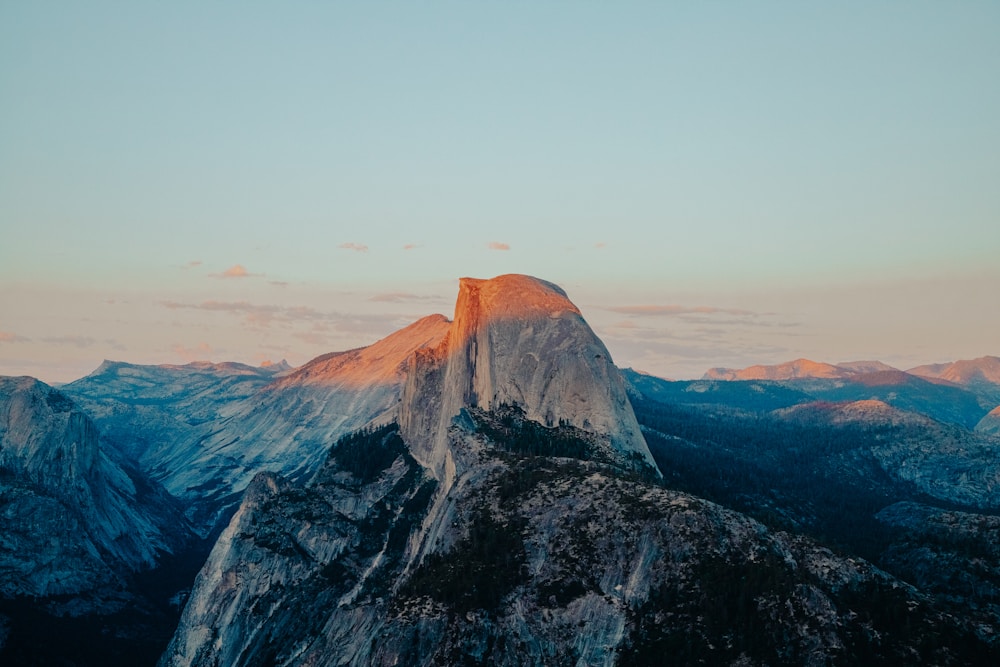
Train for this like the endurance event it is. Most people are on trail 10 to 14 hours, and a pre-dawn start keeps you off the cables before afternoon storms roll in. Before you even reach the cables, you climb the sub-dome, a steep set of stone steps that quietly drains a lot of hikers. By the time you clip the base of the cables, your legs are already talking to you, and the climb ahead is the steepest thing you’ll do all day.
Winning the Half Dome permit lottery
Permits are required whenever the cables are up, and they come through a Recreation.gov lottery. The preseason lottery runs March 1 to 31 with results in mid-April, at 10 dollars to apply plus 10 dollars per person if selected. Yosemite caps the route at about 300 hikers a day. For 2026, the cables are targeted to go up around late May and come down in mid-October, though conditions can shift those dates.
Pack your own pair of grippy gloves for the cables, since any left at the base are a gamble. And apply for weekday dates, which win the lottery far more often than weekends.
9. Laguna de los Tres, Patagonia, Argentina
Laguna de los Tres is the classic hard day hike out of El Chaltén, ending at a glacial lake beneath the granite spires of Mount Fitz Roy. It’s about 15 miles (25 km) round trip with roughly 1,100 meters of climbing, and most hikers need 8 to 10 hours.
Here’s the trick of it: most of the route is honest, rolling, foot-friendly trail through forest and open valley. You’ll feel strong for hours. Then the last kilometer rears up and climbs around 400 meters of loose moraine, and that single stretch is the one everyone remembers and quietly curses.
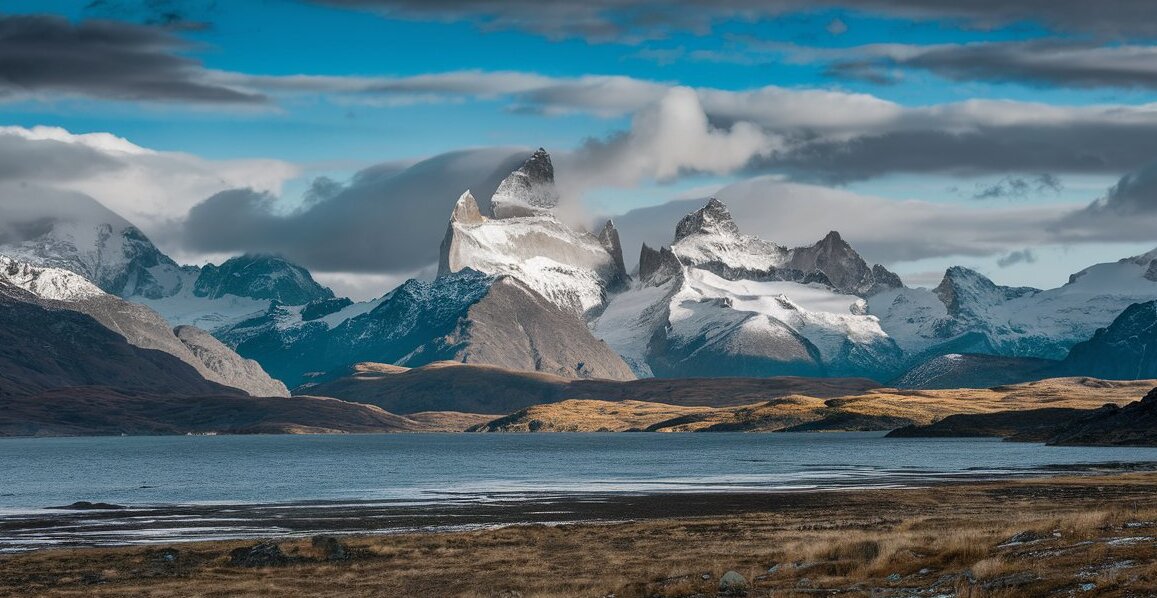
The other factor is wind. Patagonia’s weather turns on you fast, and the exposed upper section takes the brunt of it. A clear, calm day and a wind-battered one are almost different hikes.
The good news is that El Chaltén is built for this. The whole town exists to serve hikers, so you can base yourself a short walk from the trailhead, watch the forecast, and simply wait for a good weather window before you commit. That flexibility is a real luxury on a hike this exposed.
Fitz Roy’s brutal final kilometer
One of the best things about this trail is what it doesn’t require. It starts right from El Chaltén town, there’s no permit for the day hike, and there’s no fee gate for the standard route to the lake. That freedom is rare on a hike this iconic. If you want the famous sunrise glow on Fitz Roy, hikers camp at Poincenot, though the campsites now need a reservation.
10. Crib Goch, Wales
Crib Goch is proof you don’t need the Himalayas to find a hike that scares you. This knife-edge ridge in Eryri (Snowdonia) is one of the most exposed scrambles in Britain, a red rock crest at 923 meters with 1,000-foot drops falling away on both sides.
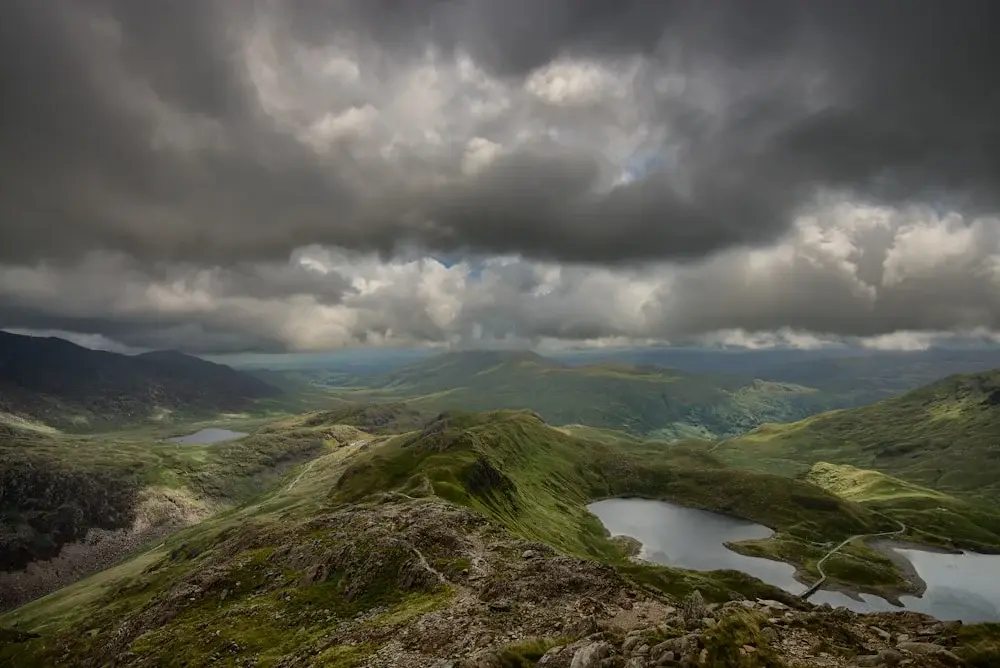
It’s graded a Grade 1 scramble, which means you’ll use your hands, and the technical moves aren’t extreme. The exposure is what undoes people. There’s no path along the crest, no railing, and no safe way to bail once you’re committed to the ridge. On a dry, still, clear day it feels thrilling. Add wind or rain and it turns menacing.
The whole Snowdon Horseshoe loop from Pen-y-Pass runs around 7 miles with roughly 1,000 meters of ascent. The ridge itself is a small fraction of that, and it’s the fraction that counts.
The Crib Goch knife-edge ridge
Take this one seriously. The local mountain rescue team is among the busiest in Britain, and the ridge sees injuries and fatalities most years. The Snowdonia National Park Authority is blunt about who should be up there, warning in its official guidance:
Crib Goch is extremely dangerous and should not be attempted by novice walkers.
Only take on Crib Goch in dry, low-wind weather, and build up to it on less exposed scrambles first. If your legs turn to jelly at the start, retreat to the Pyg Track early, before the crest.
Which one is calling you
Some of these trails will test how far your legs can carry you. Others will test whether you can stay calm with air under your heels. Neither kind rewards ego, and both reward honest training and patience with the weather.
You don’t have to start with the scariest or the longest. Pick the one that pulls at you, learn what it truly asks, and build toward it. The mountain, the ledge, and the canyon will all still be there when you’re ready.
And when you finally stand on that ledge or haul up those last cables, the photo won’t be the point anymore. The day you earned it will be.