The most memorable trips rarely happen in the most obvious places. The world still has destinations where you’ll feel like a traveler rather than a tourist, places where the infrastructure is rough, the crowds are thin, and the payoff is enormous.
- Middle East & The Arabian Sea
- 1. Socotra Island, Yemen
- Tip
- 2. Iraq
- Central Asia
- 3. Wakhan Corridor, Afghanistan
- Tip
- 4. Darvaza Gas Crater, Turkmenistan
- The Caucasus & Anatolia
- 5. Derinkuyu, Turkey
- 6. Ushguli, Georgia
- 7. Azerbaijan
- Europe
- 8. Brasov, Romania
- 9. Montenegro
- Tip
- 10. Sintra, Portugal
- 11. Santander, Spain
- Insight
- Africa
- 12. Lalibela, Ethiopia
- 13. Okavango Delta, Botswana
- Tip
- 14. Namibia’s Skeleton Coast
- 15. Lesotho
- 16. Ivory Coast
- Tip
- 17. Cabo Verde
- 18. Madagascar
- Tip
- 19. Comoros Islands
- Asia
- 20. Mongolia’s Gobi Desert
- 21. Andaman Islands, India
- Tip
- The Americas
- 22. Tatacoa Desert, Colombia
- Polar & Remote
- 23. Falkland Islands
- 24. Greenland
- 25. Paradise Bay, Antarctica
- The World Still Has Places Like This
- Read more
This list covers 25 underrated travel destinations. Some are genuinely hard to reach. Some carry reputations that scare people off unnecessarily. Some are just quietly spectacular and somehow still under the radar. Adventure seekers, history lovers, wildlife enthusiasts, and people who just want to see something genuinely different will all find something here. If 2026 is the year you finally go somewhere that stops you in your tracks, start here.
Middle East & The Arabian Sea
Few regions reward the determined traveler more. Political complexity keeps most people away, but for those who do the research, the payoff is staggering.
1. Socotra Island, Yemen
Socotra looks like it belongs on another planet. The island sits about 240 miles off the coast of Yemen in the Arabian Sea, and thanks to millions of years of isolation, over a third of its plant species exist nowhere else on Earth.
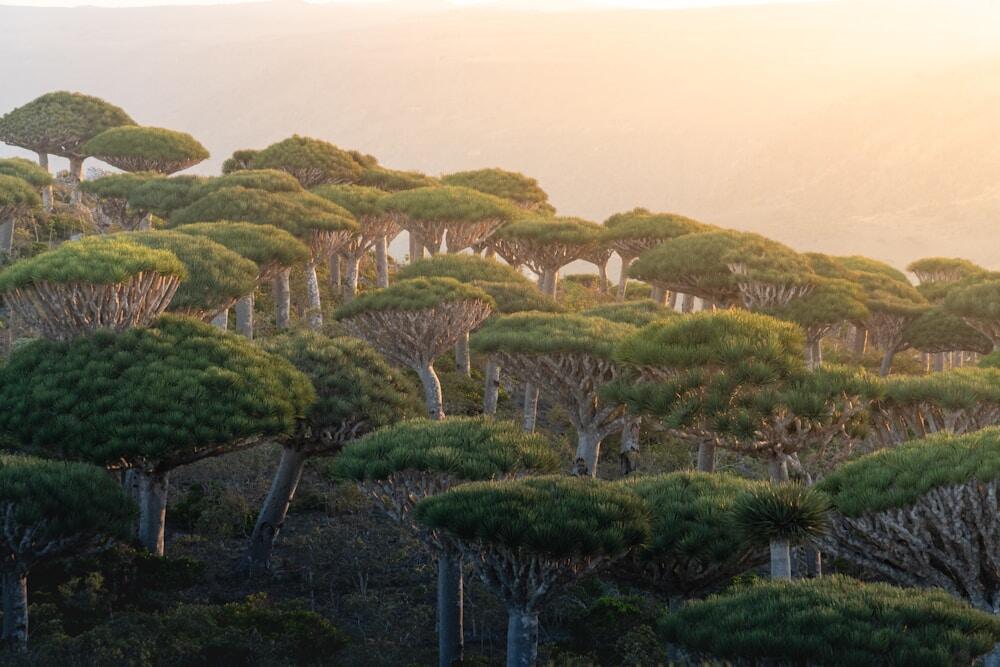
The most iconic is the dragon blood tree, an upside-down umbrella of a tree that bleeds red resin and grows in dense prehistoric forests across the Diksam Plateau. There are also white sand dunes, turquoise lagoons with flamingos at dusk, and coral reefs with almost no one snorkeling them.
Tip
Visit between October and February. The southwest monsoon shuts the island down completely from June through September, and the post-monsoon period brings the most dramatic foliage on the dragon blood forests.
Access in 2026 runs through Abu Dhabi. Air Arabia operates a handful of weekly flights to Socotra’s small airport, and all visits are arranged through UAE-based or international expedition operators. Yemen’s civil conflict does not directly affect the island, but you’ll need comprehensive evacuation insurance and a reputable company. For those who go, it consistently ranks among the most extraordinary travel experiences of a lifetime.
2. Iraq
Iraq is staging one of the quietest tourism revivals of the decade. The Kurdistan Region in the north is stable, welcoming, and striking: limestone gorges, ancient citadels, and mountain villages that see almost no Western visitors.
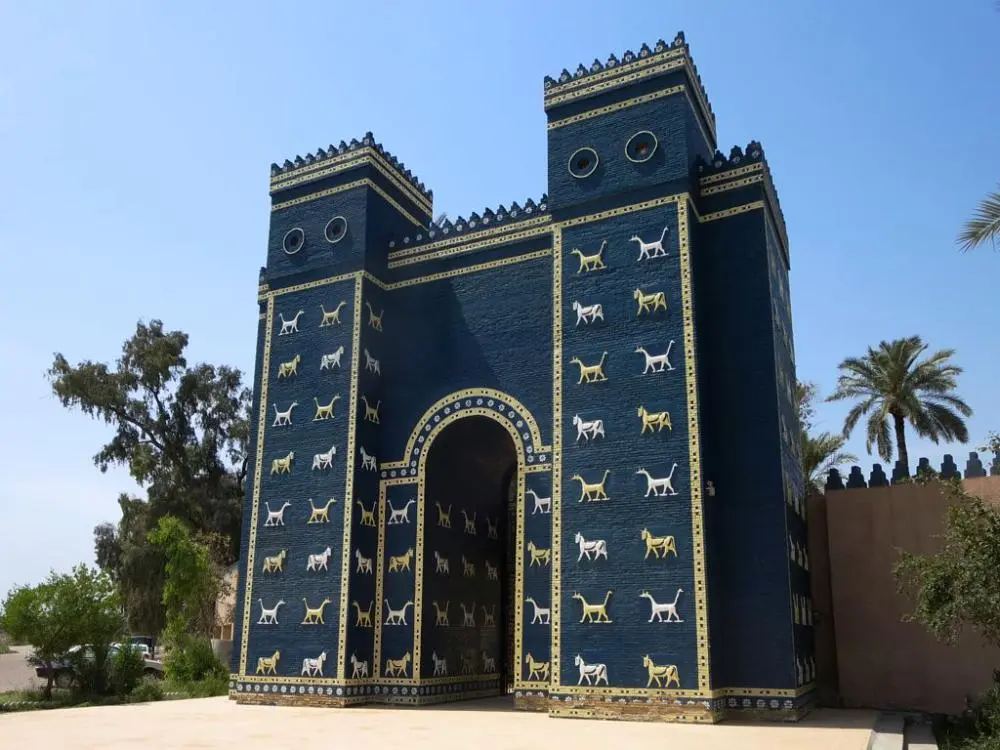
Babylon, one of the great cities of the ancient world, is now accessible with a guide from Baghdad. The marshlands of southern Iraq, home to the Marsh Arabs for thousands of years, are a UNESCO World Heritage Site unlike anything else in the Middle East.
Top sites worth including on any Iraq itinerary:
- Erbil Citadel, one of the oldest continuously inhabited settlements on Earth
- Halgurd-Sakran National Park in Iraqi Kurdistan, with peaks above 3,600 meters
- Ancient Babylon, accessible by day trip from Baghdad
- The Mesopotamian Marshes of southern Iraq, home to the reed-house culture of the Ma’dan people
This isn’t a casual trip. You’ll need to stay updated on regional conditions and book a reputable local guide for most areas outside Kurdistan. But for travelers who’ve always wanted to see Mesopotamia, 2026 is a genuinely viable window.
Central Asia
Vast, landlocked, and breathtakingly remote. Central Asia asks a lot of you and gives back more than you’d expect.
3. Wakhan Corridor, Afghanistan
The Wakhan Corridor is a narrow strip of Afghan territory stretching east toward China, bordered by Tajikistan to the north and Pakistan to the south. It’s one of the most remote valleys on Earth.
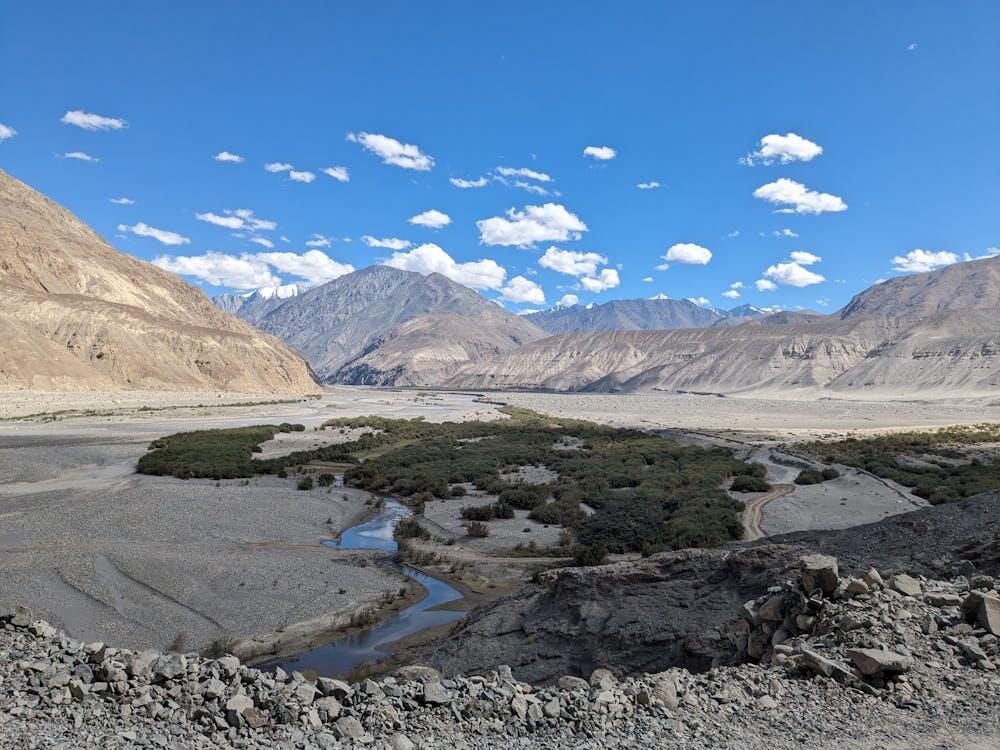
Bactrian camels cross high-altitude passes, Kyrgyz nomads live in yurts at elevations above 4,000 meters, and the Hindu Kush and Pamir mountains rise in every direction. This is the kind of landscape that makes you understand why people spent centuries mapping it.
Tip
The safest approach is to enter via Tajikistan’s Gorno-Badakhshan region. Several operators based in Dushanbe specialize in Wakhan treks and handle logistics on both sides of the border. Don’t attempt this independently.
Most travelers access the Wakhan via the Tajik side of the valley, crossing into Afghanistan with an Afghan visa and a licensed guide. It requires significant advance planning and an honest assessment of the risks involved. For experienced adventure travelers, the Wakhan offers a degree of isolation and cultural encounter that barely exists anywhere else in the world anymore.
4. Darvaza Gas Crater, Turkmenistan
In 1971, Soviet engineers accidentally punctured a massive underground methane pocket in the Karakum Desert. The ground collapsed, and fearing toxic gas would spread, they set it on fire and assumed it would burn out in a few days. It’s been burning for over 50 years.
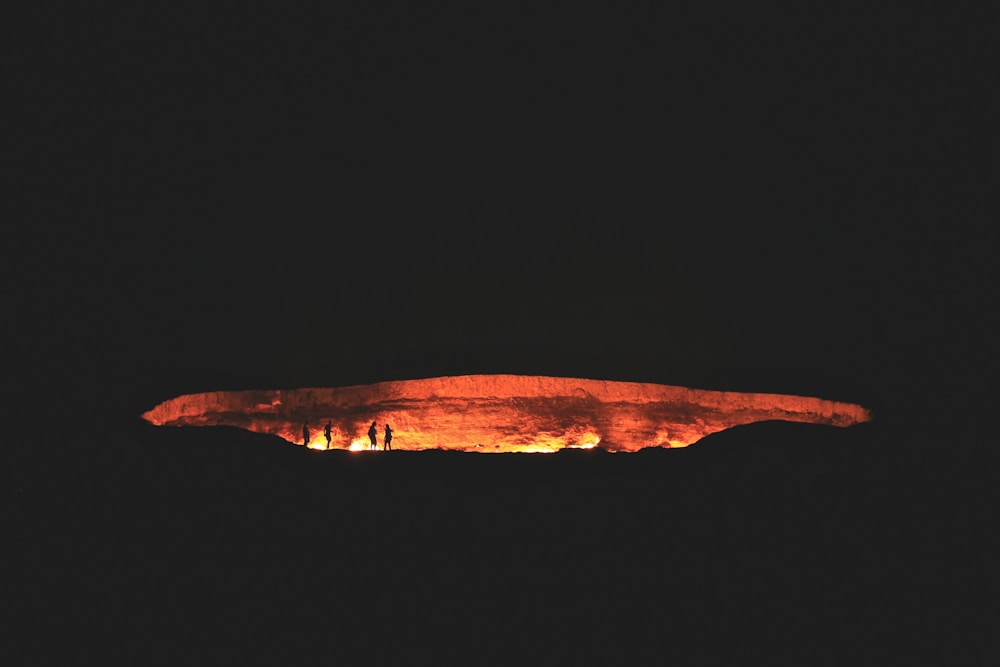
The Darvaza Gas Crater is roughly 70 meters wide and 20 meters deep. Seeing it at night, surrounded by nothing but flat desert and an unbroken sky, is one of the strangest and most unforgettable experiences travel can offer. There are ongoing Turkmen government efforts to extinguish the crater, which makes 2026 a genuine now-or-never situation.
A few things to know before you go:
- Turkmenistan requires a Letter of Invitation (LOI) from a licensed travel agency to obtain a tourist visa
- The crater is about 260 km north of Ashgabat, a 4 to 5-hour drive
- The final 7 to 8 km is off-road and requires a 4×4 vehicle
- Camping overnight is the consensus best experience; the glow after dark is the whole point
- April and October offer the most comfortable desert temperatures; summer heat can reach 50°C
If you’ve ever been curious about the Door to Hell, go. It won’t be there forever.
The Caucasus & Anatolia
Three countries, wildly different cultures, and all dramatically undervisited relative to what they offer.
5. Derinkuyu, Turkey
Derinkuyu is an underground city carved 60 meters into the bedrock beneath Cappadocia, with 18 levels connected by narrow tunnels, ventilation shafts, and rolling stone doors that could seal entire floors against invaders.
Early Christian communities built it as a refuge, and at its peak, it sheltered an estimated 20,000 people along with their livestock. Descending into it feels like entering a subterranean world that shouldn’t exist.
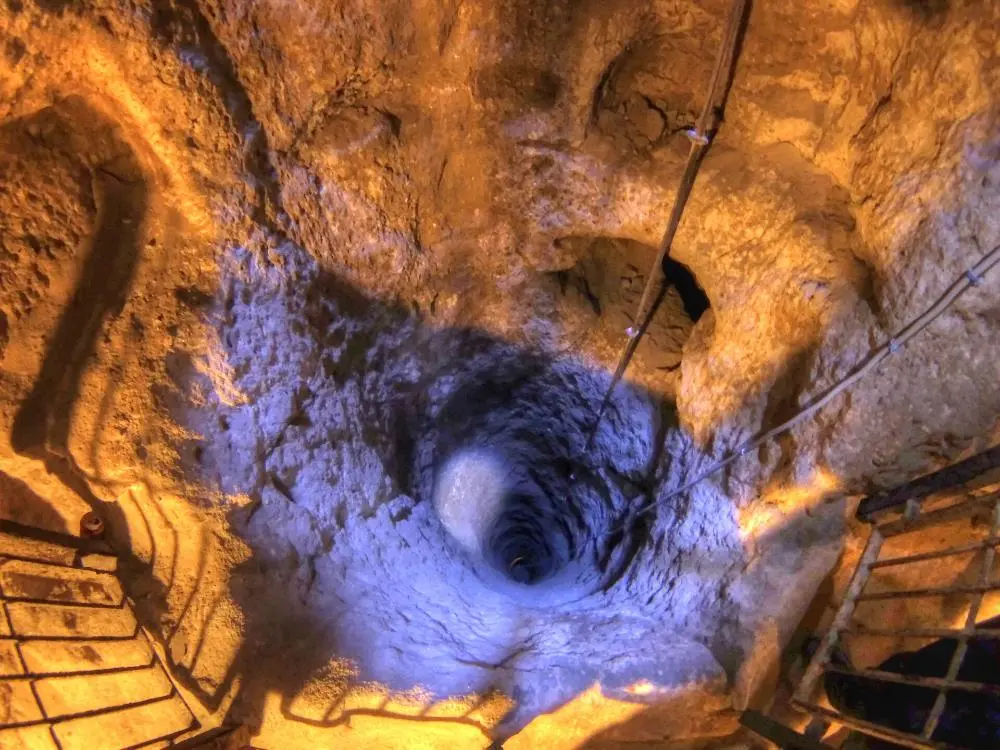
There are sleeping quarters, wine presses, schools, chapels, and stables, all carved by hand from soft volcanic tuff. Most tourists in Cappadocia head straight for the hot air balloons and fairy chimneys, and Derinkuyu gets a fraction of the attention it deserves. It’s located near Nevşehir and open to visitors, though the deeper levels feel tight if claustrophobia is a concern.
6. Ushguli, Georgia
Ushguli sits at roughly 2,200 meters in the Svaneti region of western Georgia and is one of the highest continuously inhabited villages in Europe. It’s famous for its medieval Svan towers, defensive stone structures that rise above the rooftops like ancient sentinels and date back to the 9th through 13th centuries. The mountain scenery here is extraordinary.
Here’s what to expect when you arrive:
- Best visited June through September, when the mountain road from Mestia is open
- Guesthouses are simple but warm, with home-cooked Georgian meals
- The drive from Mestia takes 2.5 to 3 hours on an unpaved mountain road; a 4×4 is strongly recommended
- The Svaneti towers and surrounding landscape are a UNESCO World Heritage Site, though the village remains lived-in and unpolished
This is not a polished destination. The roads are rough, the remoteness is real, and that’s exactly what makes it special.
7. Azerbaijan
Azerbaijan markets itself as the “Land of Fire,” and the slogan actually delivers. The fires are real: Yanar Dağ, a hillside on the Absheron Peninsula, has been burning continuously for centuries due to natural gas seeping through the earth. Mud volcanoes bubble out of the landscape near Baku.
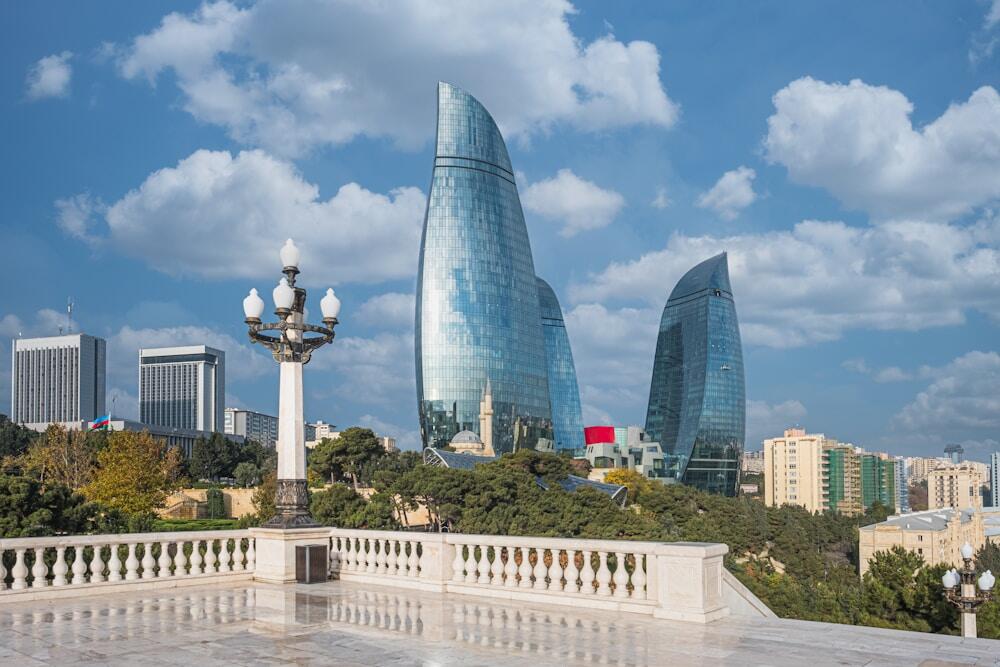
The old walled city of Icheri Sheher is a UNESCO site that feels genuinely ancient rather than reconstructed for visitors. The contrast between ultramodern Baku and the quiet medieval villages of the Caucasus mountains creates one of the most interesting cultural whiplashes in travel.
A few things that consistently surprise first-time visitors:
- Visa-on-arrival is available for most Western nationalities at Baku’s Heydar Aliyev Airport
- Sheki, a mountain town in the northwest, is one of the most underrated cities in the entire Caucasus, with a stunning 18th-century khan’s palace
- Gobustan National Park has 6,000-year-old rock carvings alongside its famous mud volcanoes
- Azerbaijan is significantly cheaper than neighboring Georgia, which is itself already very affordable
Baku alone deserves 2 full days. Add Sheki if you can, and you’ll leave with a very different picture of the region.
Europe
Europe’s underrated destinations tend to get overlooked because the continent has so many famous ones. These 4 offer genuinely high rewards with far less competition.
8. Brasov, Romania
Brasov is one of those cities that makes you wonder why it isn’t mentioned in the same breath as Prague or Tallinn. The medieval old town is exceptional: a Gothic black church, pastel facades, cobblestone squares, and the Carpathian Mountains rising directly behind it all.
Bran Castle, the inspiration for Dracula’s fictional home, is a short drive away. So is Peles Castle, one of the most dramatic royal residences in Central Europe, sitting in a forested valley near Sinaia.
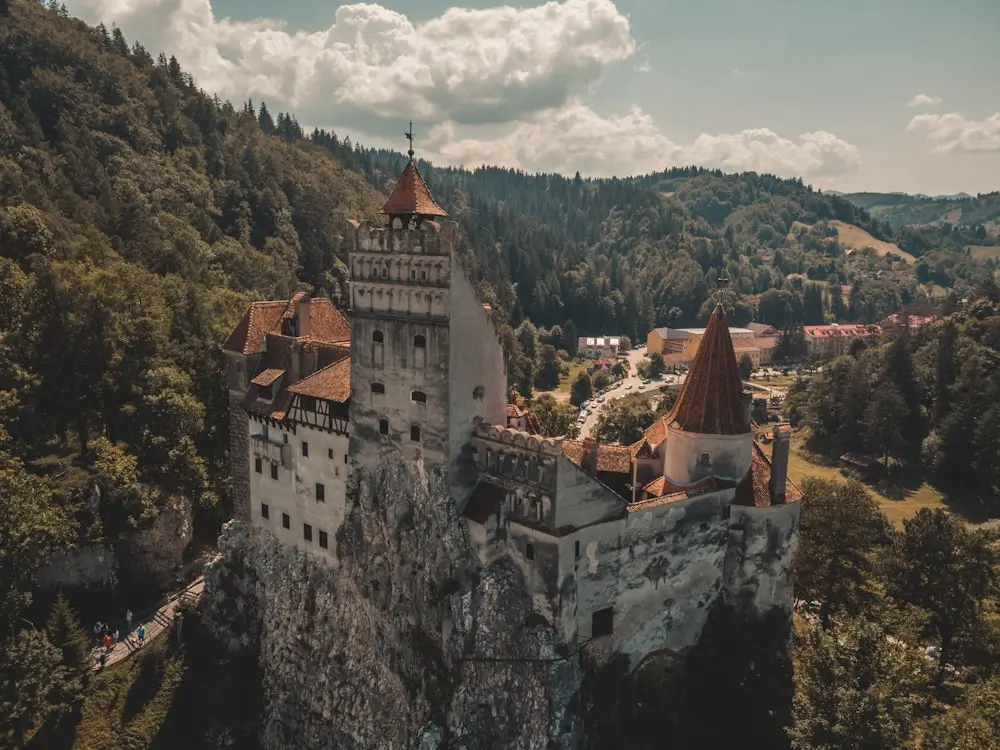
Romania is one of the best-value destinations in Europe, and Brasov is its most rewarding base for travelers. It also happens to sit near some of the best bear-watching in the world: Romania has the largest brown bear population in Europe, and several operators run ethical night hides in the Carpathian forests.
Best day trips from Brasov:
- Bran Castle (35 minutes) for the Dracula history and Gothic atmosphere
- Peles Castle in Sinaia (1 hour 20 minutes) for sheer architectural drama
- Rasnov Fortress (20 minutes) for a ruined hilltop citadel with wide valley views
- Zarnesti and Piatra Craiului National Park for bear-watching hides and mountain trails
If you’re planning to base yourself somewhere in Romania, Brasov is the obvious choice. The city alone is worth two full days, and the surrounding region can fill a week.
9. Montenegro
Montenegro packs a remarkable amount of variety into a tiny country. The Bay of Kotor is one of the most dramatic natural harbors in Europe, lined with medieval walls and backed by steep limestone mountains. The old town of Kotor itself is walled, walkable, and a fraction of the price of Dubrovnik just over the Croatian border.
Tip
Even though June and September are usually recommended to beat the crowds, if planning a beach vacation, I’d still go in July. We were in Petrovac in June, and were unpleasantly surprised by how cold the sea was.
Inland, Durmitor National Park offers glacial lakes, canyon hikes, and reliable winter skiing. The Adriatic coast is quieter and more affordable than Italy or Croatia, and the overall atmosphere hasn’t tipped into the over-touristed territory that’s taken the shine off some of its neighbors. For a small country, the variety here is genuinely hard to beat.
10. Sintra, Portugal
Sintra is technically well-known, but it still surprises people who actually spend time there. An UNESCO-classified cultural landscape just 40 minutes from Lisbon, it’s a hillside town packed with extravagant 19th-century palaces, Moorish ruins, and forest paths that smell like eucalyptus and wet stone. Most visitors do it as a rushed day trip and miss half of what makes it special.
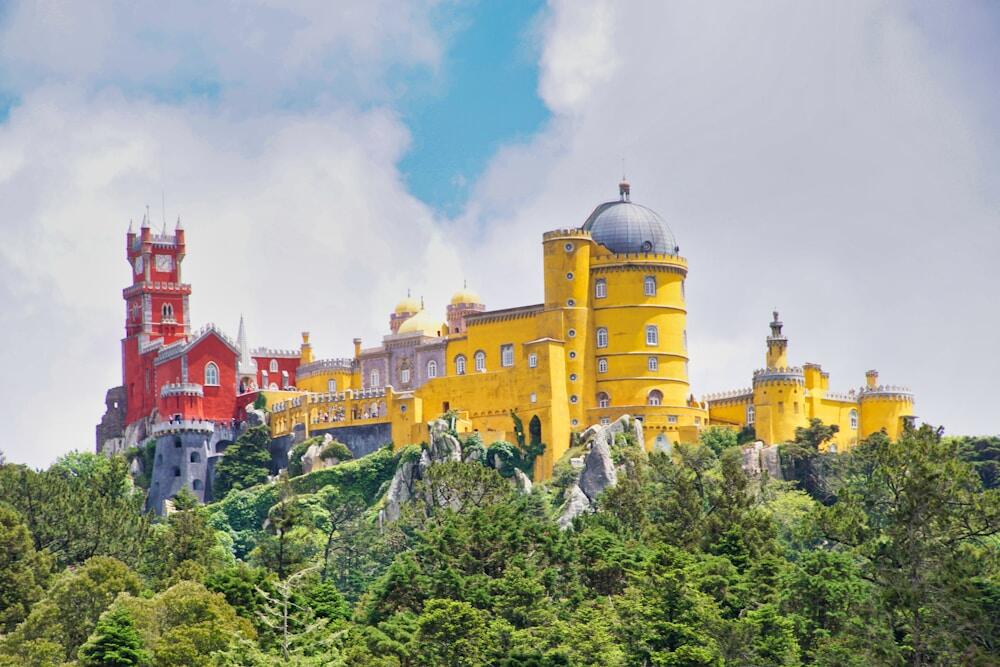
A full day, or better yet, an overnight stay, changes the experience entirely. Three palaces worth building your visit around:
- Pena Palace: the colorful, over-the-top Romanticist castle everyone photographs, best visited at opening time before the day-trippers arrive
- Quinta da Regaleira: more unusual, with an underground initiation well and esoteric symbolism woven throughout the estate
- Monserrate Palace: the least visited and arguably the most beautiful, surrounded by botanical gardens with species collected from around the world
If you can, stay the night. Sintra, after the crowds leave, is a completely different place.
11. Santander, Spain
Spain’s northern coast is a revelation for anyone who’s only seen the south. Santander is the capital of Cantabria and the name of the most popular Spanish bank. A region of green sea cliffs, fishing villages, prehistoric cave paintings, and one of the most ingredient-driven seafood cultures in the country. The beaches are wide and Atlantic-wild, and great for surfing. The old city is elegant.
Insight
Spain’s Atlantic north is gaining quiet momentum among travelers who’ve done Madrid, Barcelona, and San Sebastián and want something less crowded. Santander is the best entry point into that world.
The food scene is rooted in what’s caught or grown locally rather than what plays well to tourists. The Picos de Europa national park is less than two hours away and one of the most under-visited mountain ranges in Western Europe.
Africa
Africa’s most visited destinations are spectacular. But the continent has an entire second tier of extraordinary places that almost no one reaches.
12. Lalibela, Ethiopia
Lalibela is one of the most remarkable places in Africa and one of the least visited relative to its significance. The town holds eleven medieval rock-hewn churches carved directly into the earth, not built on top of the ground but cut downward into the volcanic rock over centuries. They were constructed in the 12th and 13th centuries and are still active places of worship today.
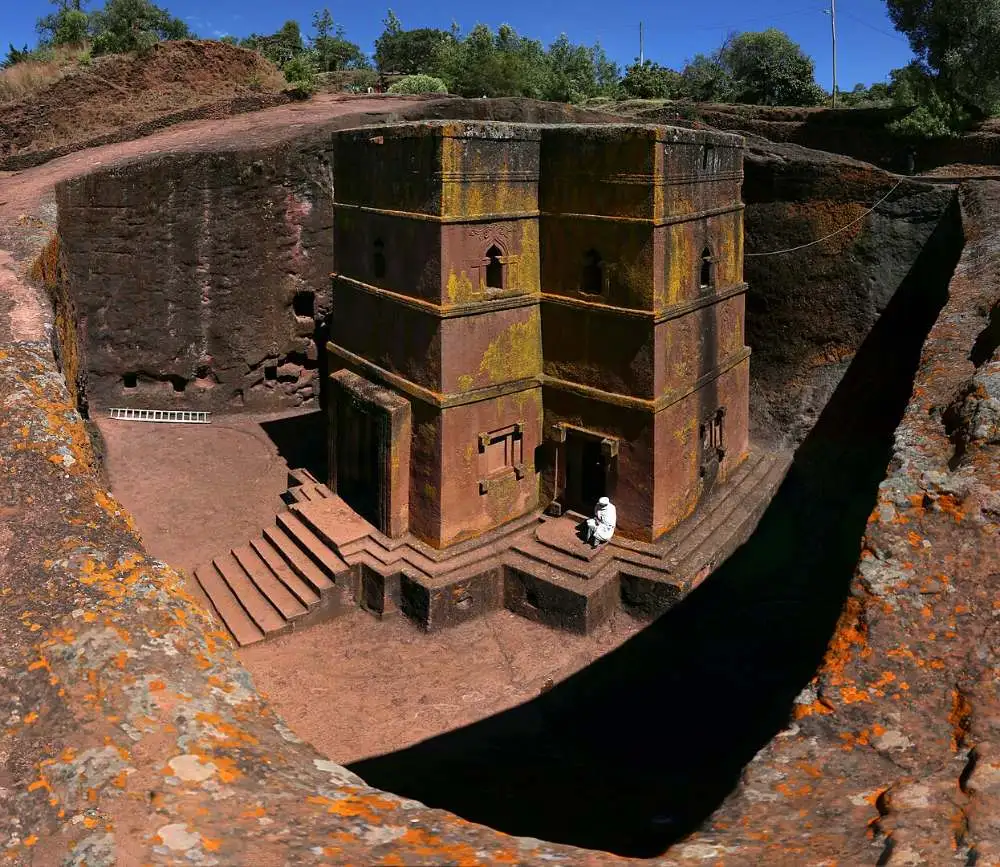
Ethiopian Orthodox pilgrims travel here for major religious festivals, and the atmosphere during those periods is deeply moving and unlike anything in mainstream tourism. The churches are organized into three main clusters:
- The Northwestern Group, including Bete Medhane Alem, the largest rock-hewn church in the world
- The Southeastern Group, centered on Bete Giyorgis (St. George’s Church), was carved into a deep trench in the earth and considered the finest of the eleven
- The Jordan River, a channel that separates the two main groups, is treated as holy water by pilgrims
If you can plan your visit around a major festival, do it. The combination of living religious practice and extraordinary architecture makes Lalibela genuinely unlike anywhere else.
13. Okavango Delta, Botswana
The Okavango River flows inland and fans out into a vast wetland in the middle of the Kalahari Desert, creating one of the world’s largest inland deltas.
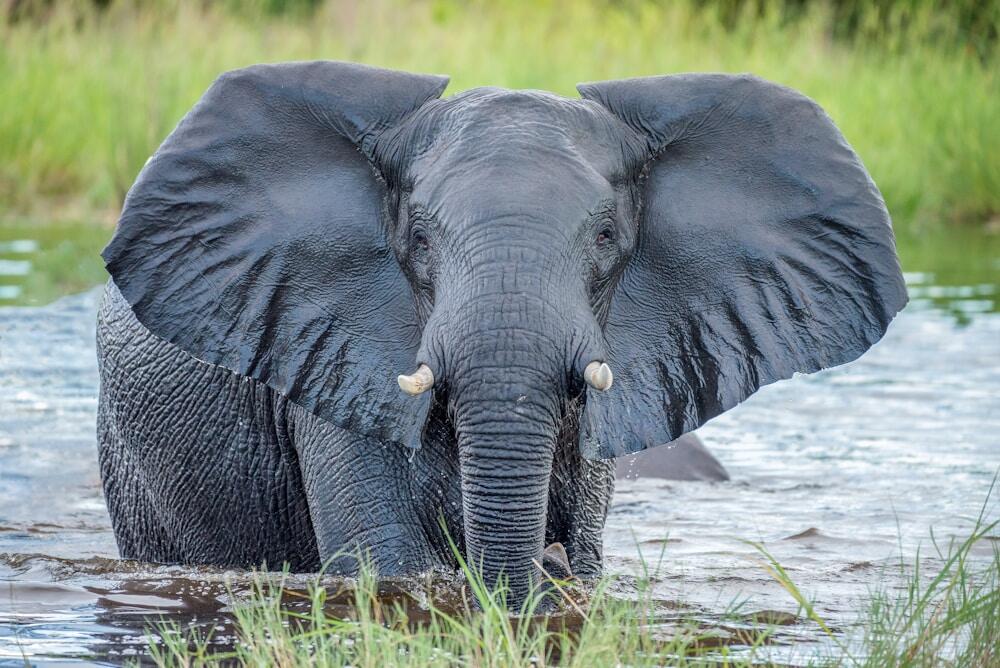
It’s one of the few wildlife destinations where you navigate by mokoro, a traditional dugout canoe poled by a local guide through channels of papyrus and water lilies. The wildlife is extraordinary: elephants, lions, leopards, wild dogs, hippos, and hundreds of bird species.
Tip
Go between June and October, when seasonal flooding peaks and wildlife concentrates on the islands. Botswana’s dry season also means clear skies, cooler temperatures, and better visibility on game drives and walking safaris.
Unlike the Serengeti, you won’t be watching from a convoy of Land Cruisers with 30 other vehicles. The mokoro approach keeps things quiet, close, and genuinely wild. For a safari experience that feels personal rather than managed, the Okavango is hard to match.
14. Namibia’s Skeleton Coast
The Skeleton Coast is the northern stretch of Namibia’s Atlantic coastline, named for the whale and seal bones that once littered its beaches and the countless ships wrecked here over centuries. Cold Benguela Current fog rolls over red dunes, desert-adapted lions stalk the shoreline, and Cape fur seal colonies are so large they create their own noise. It’s one of the most desolate and beautiful landscapes on Earth.
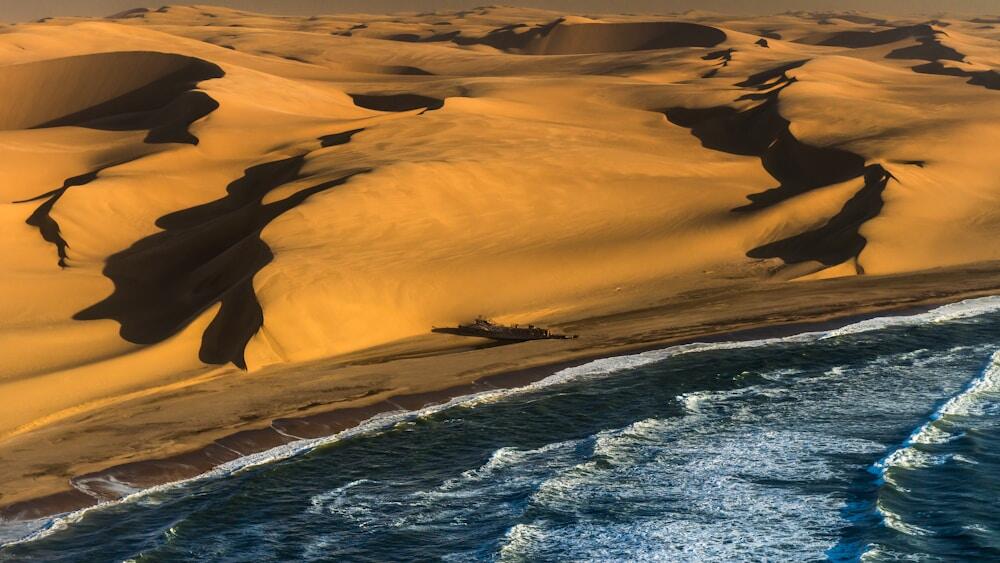
The national park restricts access to licensed fly-in operators, which keeps it genuinely wild. What sets it apart from the rest of Namibia:
- Desert-adapted lions and brown hyenas found in these specific coastal conditions almost nowhere else
- Cape Cross Seal Reserve, home to one of the largest Cape fur seal colonies in the world, with over 100,000 animals
- Historic shipwreck sites along the coast, some dating back centuries
- Organized fly-in safaris from Windhoek or Swakopmund are the primary access method for the park itself
If you’ve already done a standard Namibian road trip and want to push further, the Skeleton Coast is where the country becomes something else entirely.
15. Lesotho
Lesotho is entirely surrounded by South Africa and often overlooked because of it. But this small mountain kingdom sits at a remarkable altitude, with its lowest point still above 1,400 meters, and offers some of the most dramatic highland scenery in southern Africa. The country is known for pony trekking through mountain villages where Basotho blankets and conical straw hats are everyday dress.
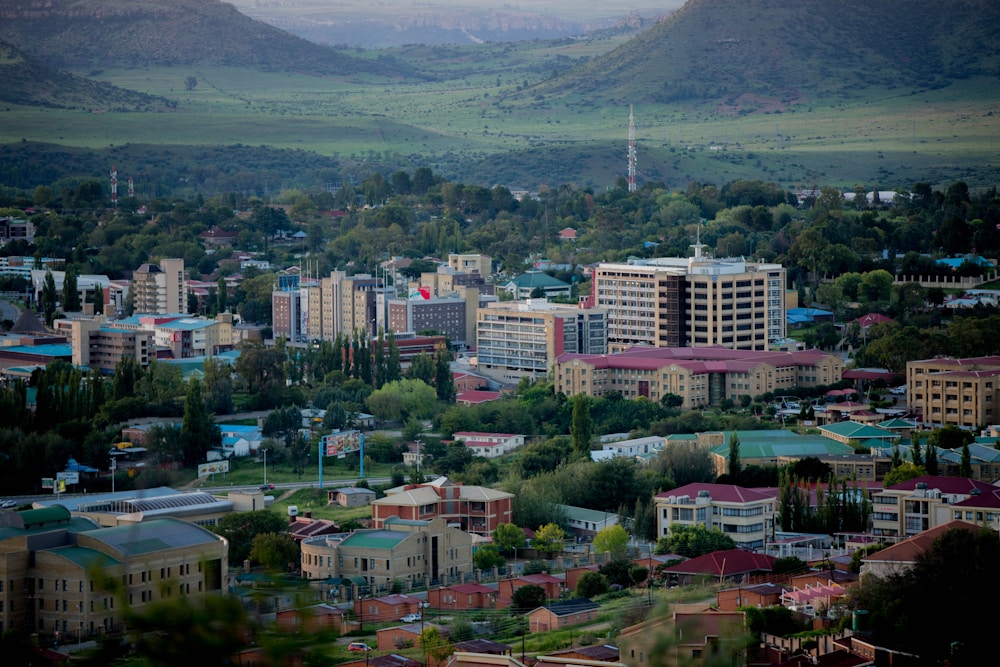
There are no Big Five here, but there’s a rawness and cultural authenticity that’s increasingly hard to find elsewhere in the region. A few things that tend to catch first-time visitors off guard:
- Lesotho requires no visa for most Western nationals and is very easy to enter overland from South Africa
- Sani Pass, which forms the border with KwaZulu-Natal, is one of the most dramatic mountain drives in Africa
- It’s one of the few places in Africa where snow is a reliable winter feature, with skiing available at Afriski Mountain Resort
- Ts’ehlanyane National Park offers walking, cold rivers, and indigenous Afromontane forest that feels completely disconnected from the typical safari circuit
Lesotho works well as a 2 to 3-day add-on from South Africa. The contrast with the country surrounding it is immediate and striking.
16. Ivory Coast
Ivory Coast is West Africa’s economic engine and one of its most underrated travel destinations. Abidjan is a city of real energy: modern towers, street food, live coupé-décalé music, and a coastal lagoon system that shapes the whole city. The historic town of Grand-Bassam, a former French colonial capital, is a UNESCO World Heritage Site about 40 kilometers east of Abidjan.
Tip
Grand-Bassam’s UNESCO-listed colonial quarter is an easy half-day trip from Abidjan. The faded pastel administrative buildings and active fishing village atmosphere are genuinely photogenic, and the site sees almost no international visitors despite its heritage status.
Further west, the beaches near Assinie and San-Pédro are beautiful and almost entirely tourist-free. The country has strong direct flight connections from Paris, making it more accessible than most West African destinations.
17. Cabo Verde
10 volcanic islands, 570 kilometers off the west coast of Africa, each one different. Sal and Boa Vista are flat, sun-baked, and fringed with turquoise Atlantic water. Santiago is the historical island, home to the haunting ruins of Cidade Velha, the first European colonial settlement in the tropics and a UNESCO site. Santo Antão is green and dramatic, laced with hiking trails through river gorges and cloud forest.
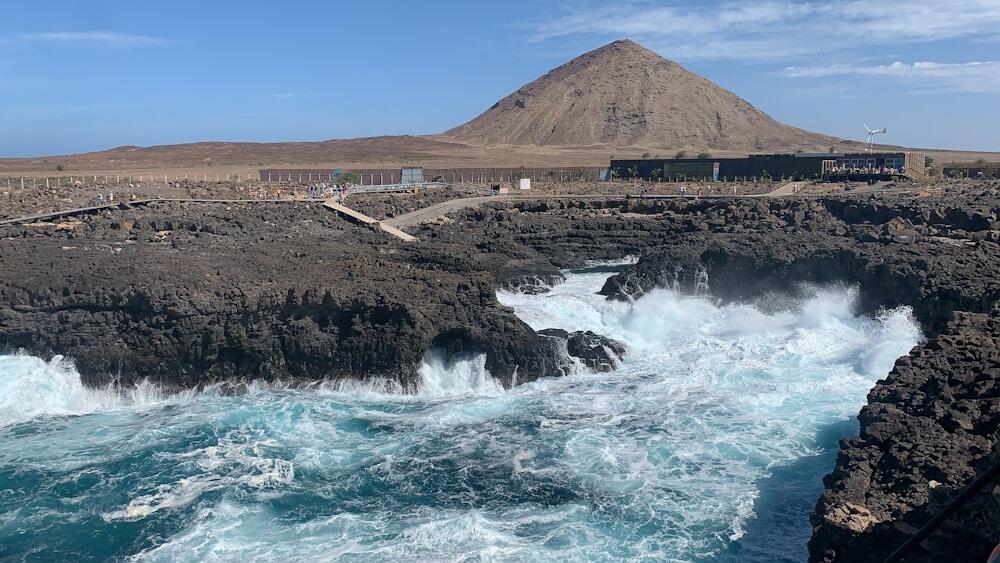
The music, called morna, is melancholy and gorgeous, and plays from every café and courtyard. Here’s a quick breakdown by island type:
- Sal: beach holidays, kitesurfing, easy direct flights from the US and Europe
- Santo Antão: serious hiking, dramatic volcanic scenery, minimal tourism infrastructure
- São Vicente: music, culture, and the town of Mindelo, the most cosmopolitan on the islands
- Santiago: history, the UNESCO ruins of Cidade Velha, and the capital, Praia
Most people start with Sal or Boa Vista for the beaches. Give yourself time to island-hop if you can, because the contrast between islands is part of what makes Cabo Verde worth a longer stay.
18. Madagascar
Madagascar broke away from the African mainland roughly 88 million years ago, and evolution went its own direction. Around 90 percent of the island’s wildlife exists nowhere else on Earth. Ring-tailed lemurs, chameleons small enough to sit on your thumbnail, and baobab trees that look like they were drawn upside down. It’s genuinely unlike anywhere else.
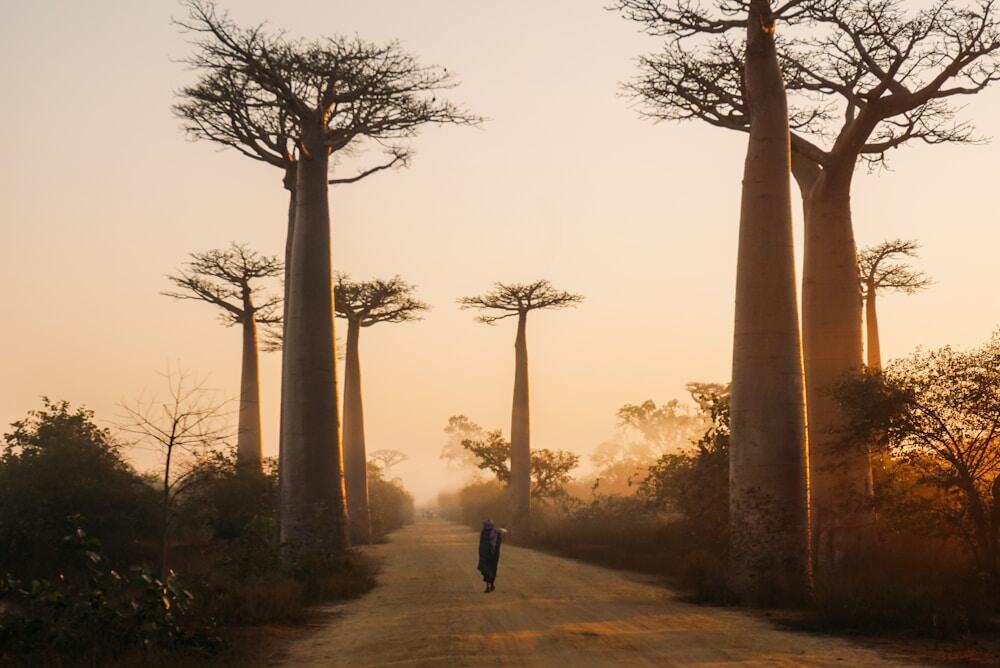
The Avenue of the Baobabs near Morondava is one of the most photographed landscapes in Africa. The reef systems, particularly in the northwest, are among the healthiest remaining in the Indian Ocean.
Tip
Travel between April and October to avoid cyclone season. The dry season also makes wildlife viewing more productive, particularly lemur-spotting in Andasibe-Mantadia National Park and the otherworldly spiny forest in the south.
Madagascar is also facing real ecological pressure from deforestation, and some of what exists today won’t be there in 20 years. Visiting while it’s intact matters.
19. Comoros Islands
Three volcanic islands in the Indian Ocean between Madagascar and Mozambique, and almost no one goes there. Ngazidja (Grande Comore) has an active volcano, Karthala, which you can hike to the caldera of; it’s one of the largest calderas in the world. Mohéli is so undeveloped that it’s one of the few places in the Indian Ocean where you can snorkel with whale sharks, sea turtles, and humpback whales with no other tourists present.
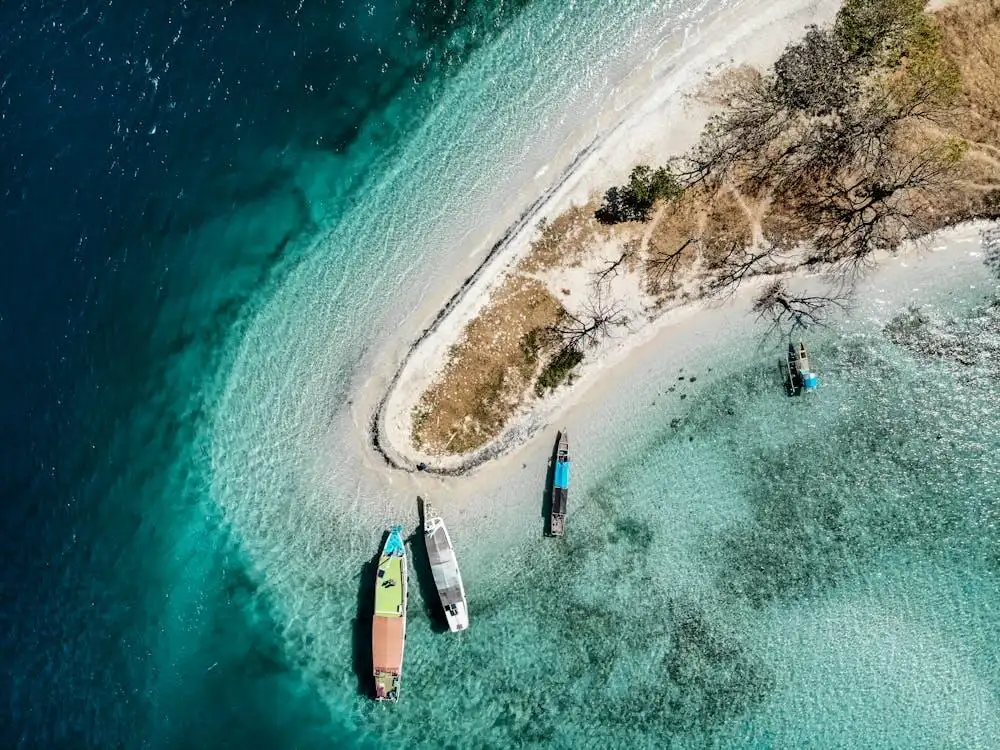
Anjouan has lush highland forests and ylang-ylang plantations that scent the entire island. Three experiences you’ll have almost entirely to yourself:
- Snorkeling and diving in Mohéli Marine Park, with some of the most pristine reef systems in the Indian Ocean
- Hiking to the Karthala caldera on Grande Comore, one of the most accessible active volcanoes in the world
- The ylang-ylang distilleries of Anjouan, which supply a significant portion of the global perfume industry, including several iconic French houses
Tourism infrastructure here is genuinely minimal, and that’s a feature. If you want a corner of the Indian Ocean that hasn’t been packaged for tourists yet, this is it.
Asia
20. Mongolia’s Gobi Desert
The Gobi is the largest desert in Asia, but it doesn’t look like most people picture when they hear the word desert. There are red flaming cliffs, ice-filled canyon valleys, vast grassland steppe, and the Khongoryn Els, singing sand dunes that emit a low hum as the wind moves across them.
The desert is also home to Bactrian camels, snow leopards in the surrounding mountains, and some of the richest dinosaur fossil beds ever discovered.
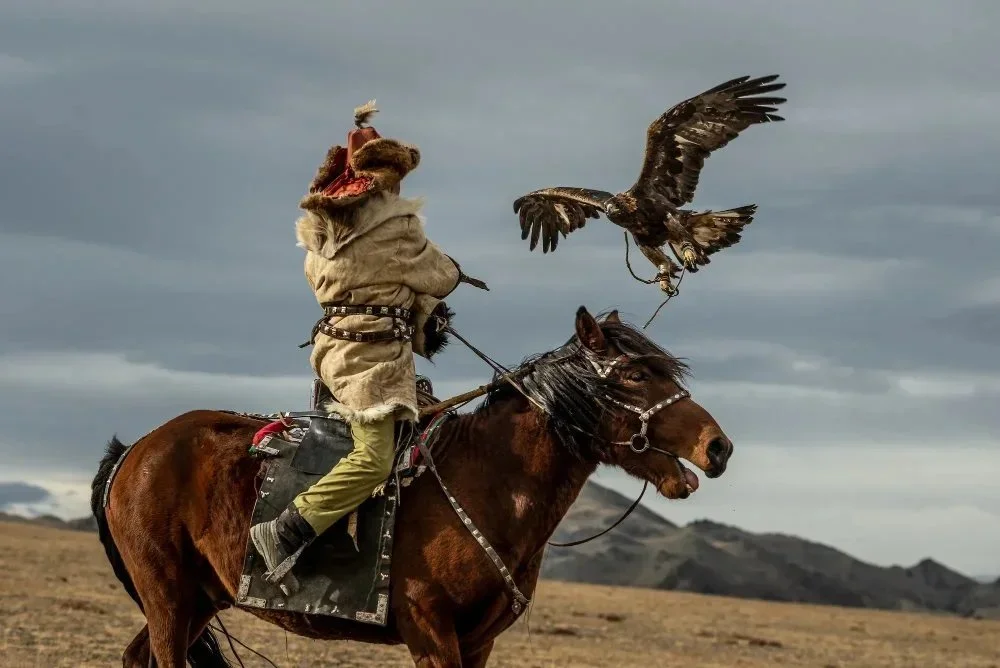
Then there’s the Golden Eagle Festival, held each October in the western Mongolian town of Ölgii, where Kazakh eagle hunters demonstrate a centuries-old tradition of hunting with trained golden eagles on horseback. Planning around it requires lead time, but it’s worth it. Key experiences by season:
- Golden Eagle Festival (early October): plan 8 to 10 months in advance; accommodation in Ölgii fills extremely early
- Khongoryn Els dunes (April to May and September to October): most dramatic in spring and autumn light
- Yol Valley ice canyon (June to August): permanent ice formations in summer heat create a surreal contrast
- Fossil sites in the Nemegt Basin: accessible by guided 4×4 expedition throughout the warm season
The Gobi rewards slow travel. A week gets you the highlights. Two weeks lets you actually settle into the scale of the place.
21. Andaman Islands, India
The Andaman Islands are a chain of 572 islands in the Bay of Bengal, geographically closer to Myanmar than to mainland India. Most are uninhabited. The accessible islands, centered around Port Blair, offer some of the best snorkeling and diving in Asia, with visibility that can reach 30 meters in clear conditions. Havelock Island, officially renamed Swaraj Dweep, is home to Radhanagar Beach, consistently ranked among Asia’s finest.
Tip
Foreign nationals require a Restricted Area Permit (RAP) for the Andamans, now issued on arrival at Port Blair. Some outer islands require an additional permit; check India’s Ministry of Home Affairs list before planning your route, as these rules are updated periodically.
The Cellular Jail in Port Blair, where the British imprisoned Indian independence activists, is a sobering and historically important site. It gives the islands a deeper layer than pure beach tourism and is worth a full morning.
The Americas
22. Tatacoa Desert, Colombia
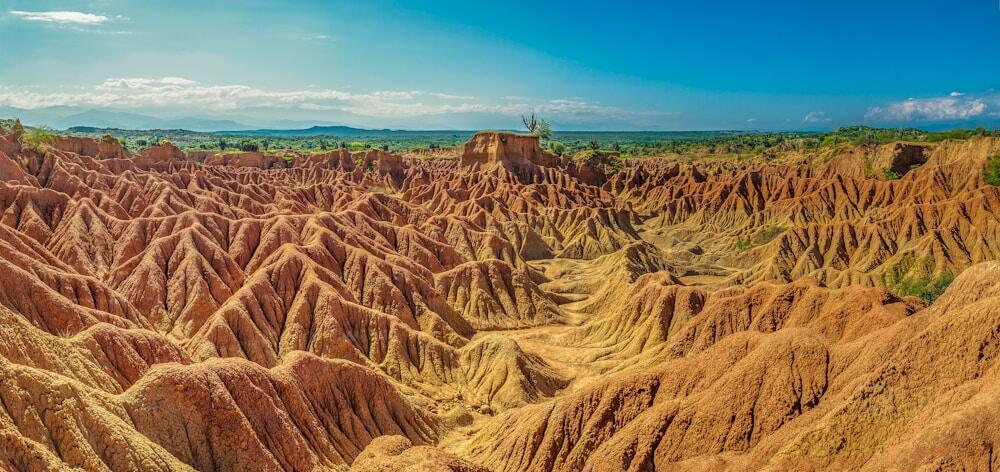
Most people think of Colombia as Cartagena’s coast or Medellín’s transformation. The Tatacoa Desert in the Huila department is an entirely different Colombia. It’s a tropical dry forest reduced to badland canyons over centuries, split into two distinct color zones: the ochre-red Cuzco area and the grey-white Los Hoyos section. The erosion-sculpted terrain is visually stunning by day and world-class for stargazing at night.
There’s an observatory, the Observatorio Astronómico de la Tatacoa, and several local guides offer nighttime sessions. The whole area is only a few hours from Bogotá by road, which makes it a realistic add-on to almost any Colombia itinerary. It doesn’t feel like anywhere else in the country.
Polar & Remote
23. Falkland Islands
The Falkland Islands sit in the South Atlantic, about 300 miles off the coast of Argentina, and they are one of the most extraordinary wildlife destinations on Earth. There are more penguins here than people, far more. The islands host five penguin species: gentoo, king, rockhopper, Magallanes, and macaroni.
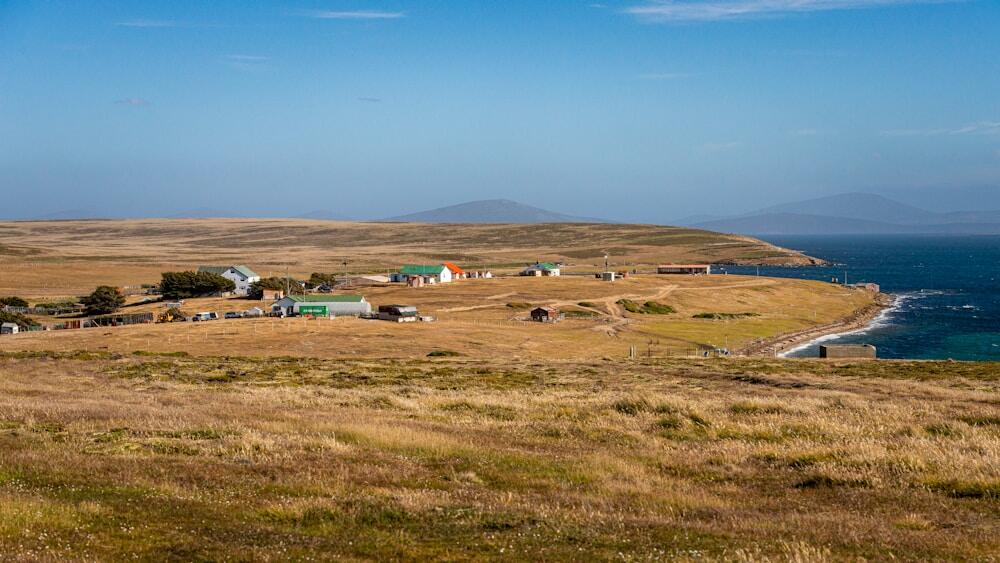
You can walk among colonies of thousands at sites like Volunteer Point with almost no crowd management involved. Elephant seals, black-browed albatross, and upland geese are everywhere. Best wildlife encounters by month:
- October to November: eggs hatch, penguin chicks appear, seabird colonies are at their most active
- December to February: peak summer, all species present, best hiking conditions
- March to April: young penguins beginning to moult, still accessible before the austral winter
- Year-round: black-browed albatross at Saunders Island, the world’s largest accessible albatross colony outside of South Georgia
The history of the 1982 conflict with Argentina adds a sobering and interesting layer to any visit, with battlefields and memorials that are still vivid.
24. Greenland
Greenland is the world’s largest island and one of its least populated, with no road network connecting its settlements. Travel between towns happens by boat, helicopter, or small plane.
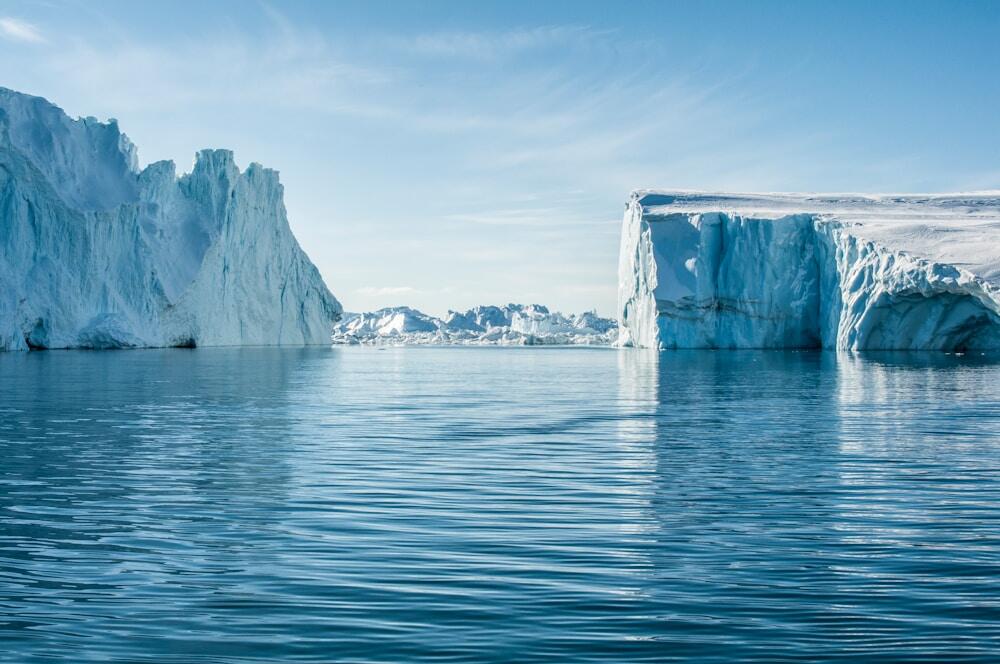
The Ilulissat Icefjord, a UNESCO World Heritage Site, is where some of the fastest-moving glaciers on Earth calve icebergs the size of city blocks into a fjord of improbable blue.
In summer, the midnight sun turns everything golden at 2 AM. In winter, the northern lights are among the most reliable on the planet, and the darkness that surrounds them is absolute in a way that’s hard to describe until you’re in it. Greenland by trip style:
| Budget explorer | the Arctic Umiaq Line coastal ferry connects western towns over several days, a spectacular, slow journey |
| Guided expedition | dog-sledding in the Tasiilaq region on the east coast, best in March to May |
| Short visit | fly into Ilulissat directly from Copenhagen or Reykjavik for 3 to 5 days; the icefjord alone justifies the trip |
| Epic adventure | The Arctic Circle Trail between Kangerlussuaq and Sisimiut is a multi-day wilderness hike with no facilities |
There’s no wrong way to do Greenland. The scale of the place recalibrates something. However long you stay, you’ll wish you’d stayed longer.
25. Paradise Bay, Antarctica
Paradise Bay is in the Antarctic Peninsula, reachable by expedition cruise from Ushuaia, Argentina. It’s the southernmost destination on this list and one of the most quietly spectacular places on Earth. Expedition cruises depart between November and March, and the most popular 10 to 12-day itineraries book out 12 to 18 months in advance.
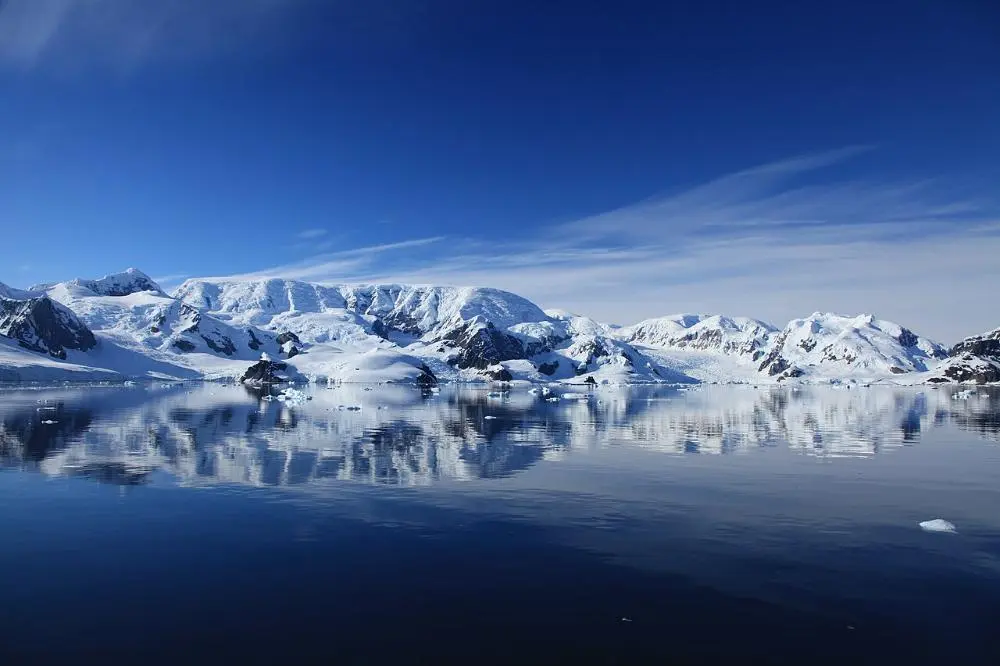
Zodiac dinghies carry you through channels of ice to shore landings near research stations, surrounded by glaciers that calve directly into the bay with a deep crack and an echo that carries for miles. Humpback whales surface nearby.
Chinstrap penguins toboggan down snowfields. The silence, broken only by ice and wind, is unlike anything most people have experienced.
The World Still Has Places Like This
The common thread across all 25 of these destinations: they reward the extra effort. Most require more planning, sometimes more paperwork, and occasionally more nerve than a standard trip. A few involve real risk assessments that deserve honest research before you commit.
But the world’s most visited destinations are popular partly because they’ve been optimized for easy access, and something gets lost in that optimization. The places on this list haven’t been optimized yet. The dragon blood forests of Socotra don’t have a gift shop. The Door to Hell doesn’t have a parking attendant. The Wakhan doesn’t have Wi-Fi.