Oahu has 112 miles of coastline. Most visitors see about 2 of them. They land in Honolulu, set up in Waikiki, and call it a Hawaii beach trip. That’s a perfectly fine choice, but it leaves a lot of island behind.
- Waikiki: Where Everyone Starts
- Surf Lessons in Waikiki
- Monk Seals Near Fort DeRussy
- Snorkeling with Turtles at Turtle Canyon
- Beyond the Main Waikiki Strip
- North Shore: Waves, Wildlife, and Wide Sand
- Watching Pipeline from the Beach
- Summer Swimming at Waimea Bay
- Turtle Watching at Laniakea Beach
- Tip
- Beginner Surf at Puaena Point
- Snorkeling at Shark’s Cove
- Waianae: Oahu’s Quietest Coast
- Swimming at Pokai Bay
- Big Wave History at Makaha
- Spinner Dolphins Offshore
- Practical Notes for Waianae
- Waikiki, North Shore, and Waianae Side by Side
- How to Plan Your Oahu Beach Days
- Oahu’s 3 Coasts Are Worth Knowing
- Read more
The North Shore flips between surf spectacle and quiet wildlife sanctuary depending on the season. The Waianae coast barely makes it onto most itineraries, and that’s exactly what makes it worth the drive. This Oahu beach guide breaks down what each stretch actually looks like, who it’s best for, and what you’ll miss if you stay put in the famous bits.
Waikiki: Where Everyone Starts
Waikiki gets a lot of eye-rolls from seasoned Hawaii travelers. Too busy, too commercial, too many matching resort chairs lined up in identical rows. All of that is true. It’s also the most reliably swimmable stretch of Hawaii beach on Oahu, with gentle conditions that work for nearly every age and ability. If you’re making your first trip to hawaii waikiki, starting here makes practical sense.
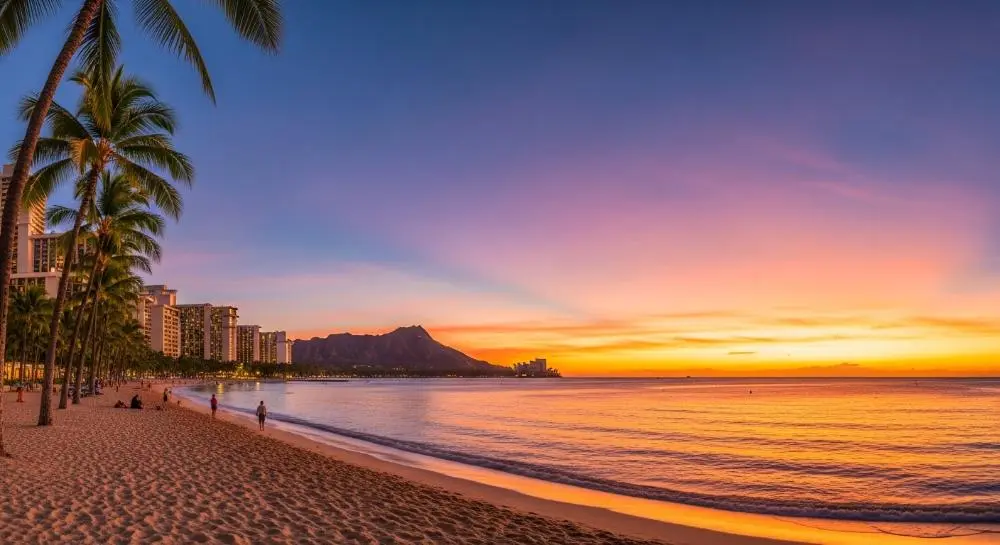
The beach itself stretches about two miles and is technically made up of several smaller named sections. Diamond Head sits at the eastern end like a backdrop someone placed too perfectly. The water is warm, usually calm, and watched by lifeguards throughout the day.
Surf Lessons in Waikiki
Hawaii surf culture was born right here. Duke Kahanamoku, the Olympic swimmer credited with spreading surfing to the world, grew up riding these waves. The long, gently rolling break that Waikiki produces is almost uniquely suited to learning. Lessons run on the beach daily, and most beginners stand up on their first or second try.
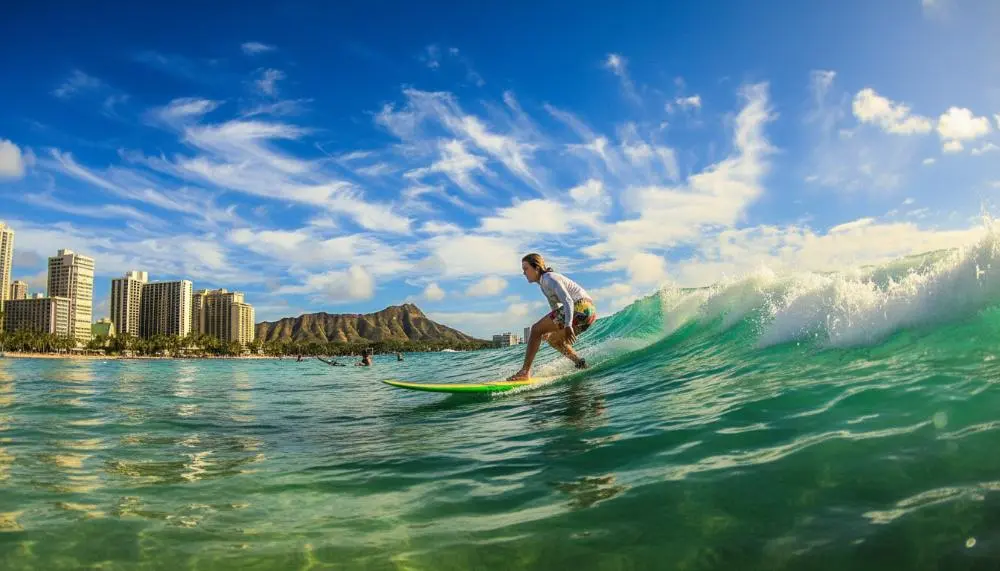
Boards are wide, instructors are patient, and the sandy bottom keeps wipeouts friendly. Dozens of surf schools operate along the shore, so you won’t need to book far in advance. An hour-long lesson typically costs between $50 and $80, depending on the school and group size. Summer conditions are particularly ideal, with south swells keeping waves small and consistent.
Monk Seals Near Fort DeRussy
At the western end of Waikiki, Fort DeRussy Beach is quieter than the stretch fronting the big hotels. It’s popular with locals and military families, and the vibe is noticeably more relaxed. It’s also one of the spots where a Hawaiian monk seal occasionally hauls out to rest on the sand.
Hawaiian monk seals are critically endangered, with a population of fewer than 1,600 animals. Seeing one on the beach is genuinely rare, and the reaction when it happens is something to watch.
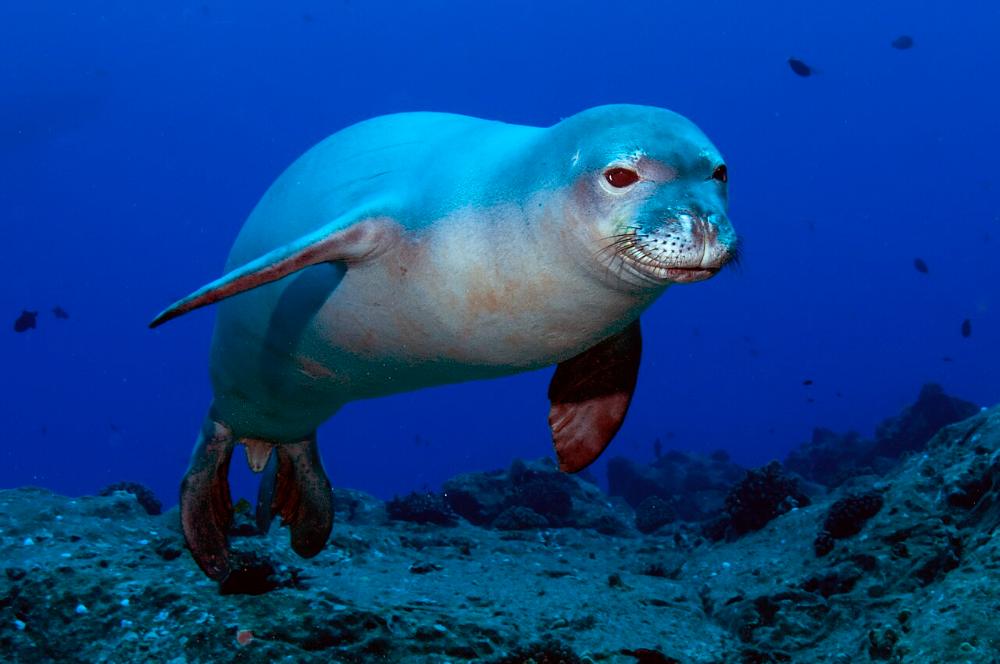
A perimeter of rope goes up fast, volunteers appear, and everyone instinctively drops their voices. The seal doesn’t care. It just wants a nap in the sun, ideally undisturbed for several hours.
If you encounter a monk seal, stay at least 50 feet away. Do not attempt to return it to the water; it’s there on purpose. You can report a sighting to the NOAA monk seal hotline at 888-256-9840 if no volunteers are present.
Snorkeling with Turtles at Turtle Canyon
The most reliable turtle experience near Waikiki is not on the beach at all. Turtle Canyon is an offshore reef site about a mile out from shore, reached by a short boat ride from Kewalo Basin Harbor, which sits roughly 10 minutes west of the main Waikiki strip.
Hawaii turtles gather here in consistent numbers, drawn by the cleaning stations on the reef where small fish remove parasites from their shells. It’s one of the best Hawaii underwater encounters on the island, and it’s accessible to swimmers of all levels.
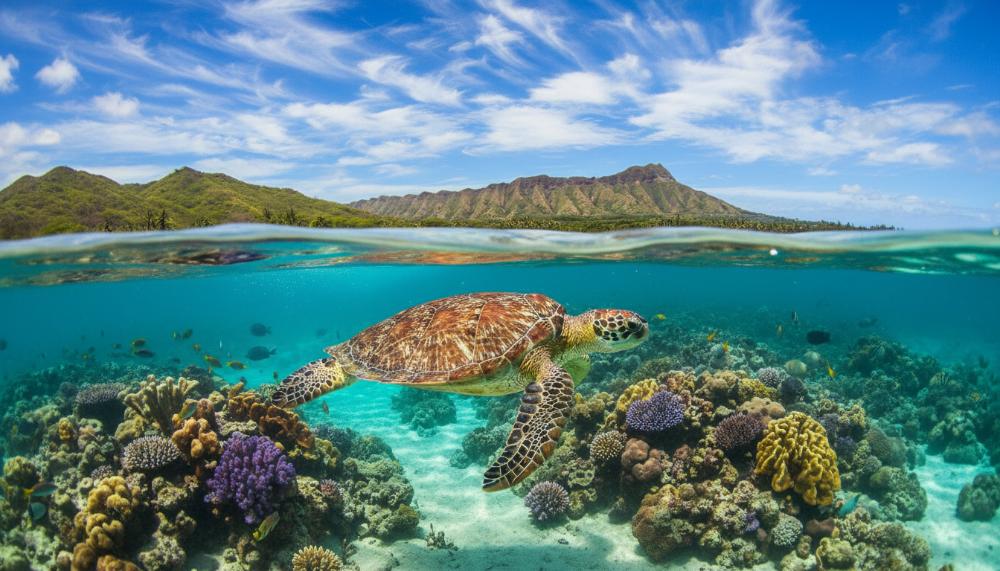
Snorkeling tours run daily and typically last 2 to 3 hours. Visibility on calm days is excellent, and guides keep groups at a respectful distance from the animals. If you want a guaranteed-feeling encounter with honu in the water rather than an opportunistic sighting from the beach, booking a tour to Turtle Canyon is the most practical way to make it happen without driving to the North Shore.
Hanauma Bay, a nature preserve about 25 minutes east of Waikiki, is the stronger option if you prefer snorkeling from shore; the reef is healthy, and turtle sightings are common.
Beyond the Main Waikiki Strip
Queen’s Surf Beach sits at the eastern end of Waikiki, closer to Kapiolani Park. It draws locals more than tourists, gets noticeably less foot traffic than the central stretch, and tends to attract people who are there to actually swim rather than photograph themselves. Sans Souci, also called Kaimana Beach, is another calm option just past the New Otani Kaimana Beach Hotel.
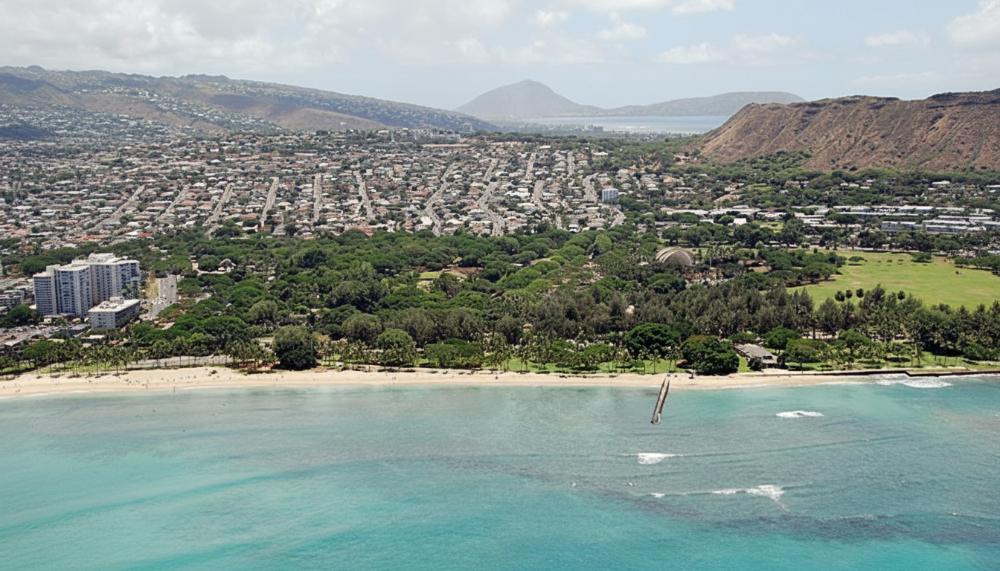
Both sections are within easy walking distance of the main resort corridor. If you’re staying in Waikiki and want a slightly different experience without getting in a car, just keep walking east. The crowds thin out quickly once you’re past the central cluster of hotels. Parking in Waikiki is expensive and stressful, so staying on foot is always the smarter play.
North Shore: Waves, Wildlife, and Wide Sand
The North Shore of Oahu has a clear identity: it’s where Hawaiian surf becomes something otherworldly. In winter, waves at Pipeline reach 20 to 30 feet and attract the best surfers on the planet. In summer, those same beaches become peaceful and swimmable, with clear water and reliable wildlife sightings. The key is knowing which season you’re visiting in.
The stretch of coast running roughly from Haleiwa to Sunset Beach is sometimes called the Seven Mile Miracle. That nickname isn’t hyperbole for the professionals who surf here. For everyone else, it’s a spectacular place to watch, walk, snorkel, and encounter wildlife in conditions you won’t find closer to the city.
Watching Pipeline from the Beach
Banzai Pipeline sits off Ehukai Beach in Pupukea, and it is one of the most photographed surf breaks on earth. The wave breaks over an extremely shallow, cavernous reef, forming thick hollow barrels that explode close to shore. You can stand on the beach and watch it happen from a few meters away, which gives you a visceral sense of exactly how dangerous it is.
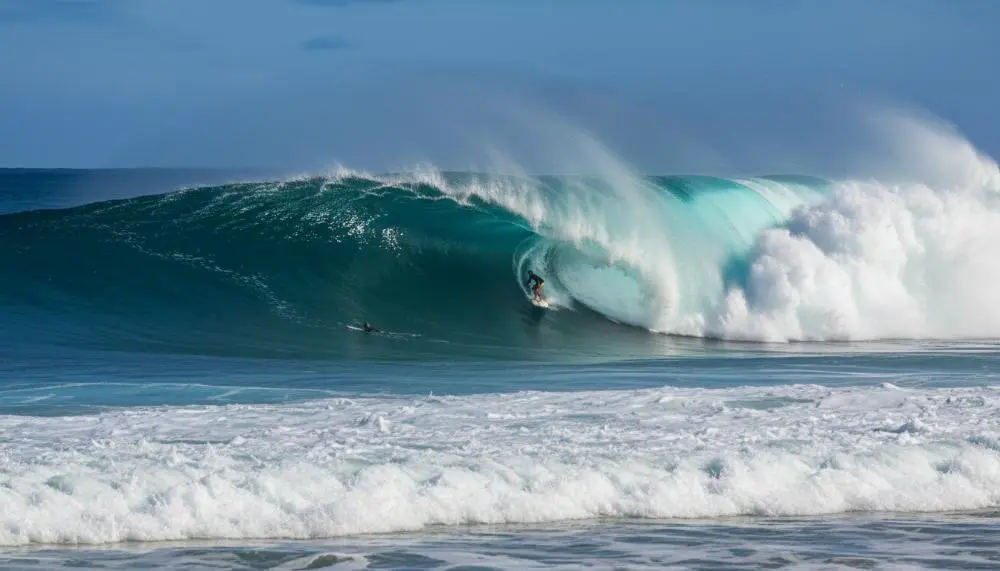
From November to April, do not get in the water here unless you are an elite surfer with local knowledge. The warnings posted on the beach are not exaggerated. What you can do is watch for free, and it’s one of the best free spectacles on the island.
Professional competitions, including the Pipe Masters, run during the winter season, and the beach fills with photographers, coaches, and crowds holding their breath in unison every time a set rolls in.
Summer Swimming at Waimea Bay
The same bay that hosts Eddie Aikau’s big wave competitions in winter transforms completely by June. The swells drop, the water clears, and Waimea Bay becomes one of the best swimming spots on the entire island. The water is deep, brilliantly blue, and the cliff rock jump on the north side of the bay is a rite of passage for visitors and locals alike.
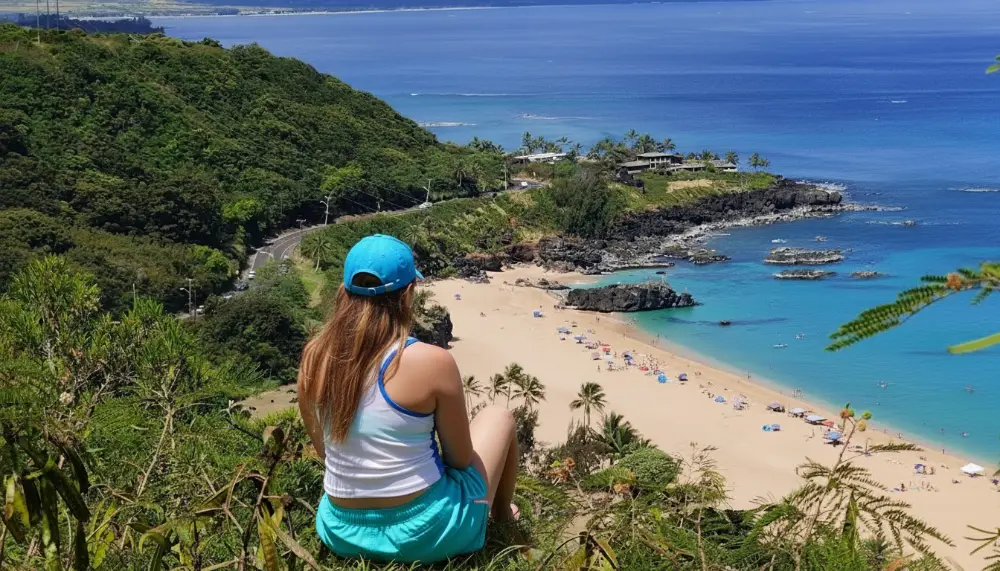
Summer is when the Hawaii ocean on the North Shore shows a completely different face. Snorkelers find excellent visibility, sea turtles move through the bay regularly, and the rocky edges of the beach hold colorful reef fish. There’s good parking and basic facilities at Waimea Bay Beach Park, making it a logistically easy choice for a full day out.
Turtle Watching at Laniakea Beach
Laniakea Beach is about a mile north of Haleiwa, and it earns its nickname honestly. “Turtle Beach” is where Hawaiian turtles are most reliably seen anywhere in the state. Green sea turtles haul out here almost daily to bask on the sand, warm themselves, and rest after feeding. Volunteers from the Malama Na Honu organization are usually on site to manage viewing distances and answer questions.
Tip
Summer is the best season for Laniakea. Calmer water means turtles spend more time feeding near shore, and the beach isn’t being managed around powerful surf. Weekday mornings are noticeably quieter than weekends.
The turtles climb out of the water and park themselves on the warm sand for hours at a time. The volunteer team ropes off a 10-foot buffer around any turtle that comes ashore, so you get a clear view without putting stress on the animal. The beach has no restrooms or showers, so stop in Haleiwa Town beforehand. Parking fills fast on weekends; arriving before 9 a.m. is a reliable way to find a spot.
Beginner Surf at Puaena Point
Most of the North Shore’s surf is not for beginners, but Puaena Point, on the outer edge of Haleiwa, is the exception. It has a sandy bottom, mellow rolling waves, and a welcoming atmosphere that’s more forgiving than anything you’ll find further up the coast. Several surf schools based in Haleiwa offer lessons here specifically.
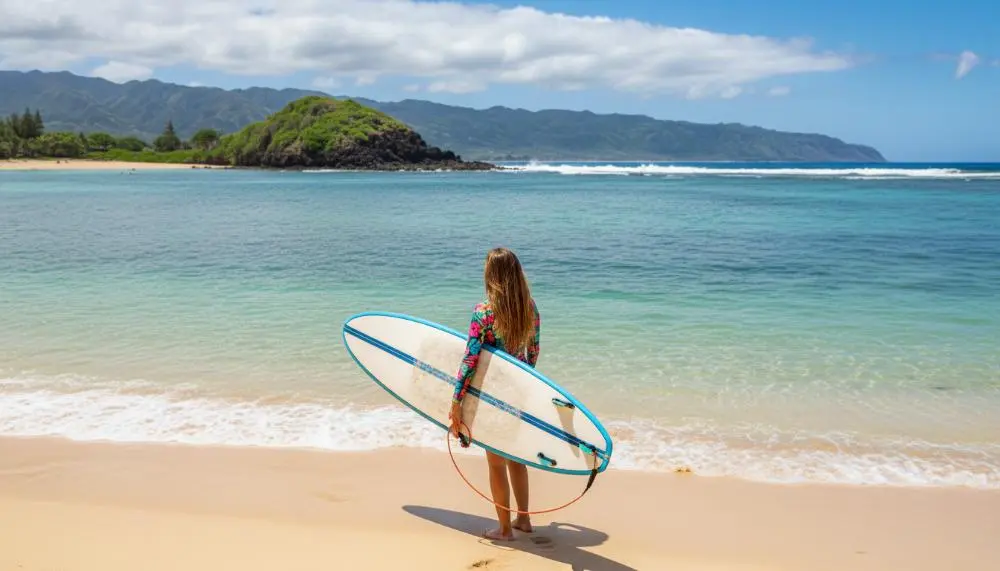
Waves at beginner spots on the North Shore typically range from two to four feet in height during the summer, which is manageable with instruction. Puaena Point also sees turtles in the water regularly, which makes the experience feel more like a true Hawaii underwater encounter than a standard surf class. Learning to surf with a sea turtle drifting past is one of those details that stays with you long after you get home.
Snorkeling at Shark’s Cove
Despite the name, Shark’s Cove is one of the safest and most rewarding snorkeling spots on Oahu. The cove sits within a rocky lava formation that creates a natural pool, and the underwater visibility here is excellent in summer. You’ll find tropical fish, moray eels, and the occasional turtle without going more than a few meters from shore.
Here’s what to expect at Shark’s Cove:
- Best season: May through September
- Visibility: Up to 30 feet on calm days
- What you’ll see: Parrotfish, wrasse, eels, and sea turtles
- Facilities: Parking lot; no showers on site
- Nearby food: Foodland Farms in Pupukea for snacks before you go
The cove is closed to swimming in winter when the surf makes entry dangerous. Check conditions before you go, and be aware that lava entry points can be slippery. Gear rental is available near the parking area. It’s one of the most consistently praised snorkeling spots on the north shore of Hawaii, and access is completely free.
Waianae: Oahu’s Quietest Coast
The Waianae Coast runs along Oahu’s western edge for about 20 miles, stretching from Ko Olina north to Ka’ena Point. It receives less rainfall than the rest of the island because the Waianae Mountain Range blocks most of the trade wind moisture. That translates to more sunny days, drier air, and a coastline that looks genuinely different from Waikiki or the North Shore.
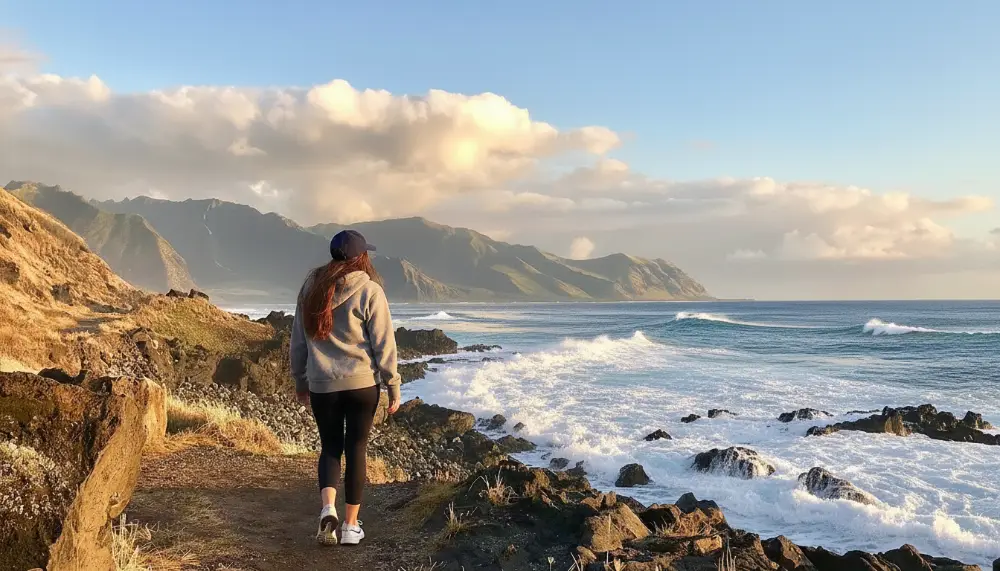
Most tourists skip it entirely. The drive from Waikiki takes about 90 minutes with stops, and the area is primarily residential. There are no major resort clusters until you get to Ko Olina at the southern end. What you get instead is uncrowded beach parks, strong Hawaiian cultural identity, and the kind of coast where you might be the only visitor in sight.
Swimming at Pokai Bay
Pokai Bay Beach Park, in the town of Waianae, has a protective breakwater that makes it the calmest swimming beach on the entire leeward coast. The water inside the bay stays flat even when conditions elsewhere are rough. It’s genuinely good for kids, for people who aren’t strong swimmers, and for anyone who wants a low-stress day at the beach without crowds.
The park has restrooms, picnic tables, and grassy areas. Locals come here regularly, and you’ll often see families set up for long afternoons with grills going and kids in the water. It’s one of the most practical beaches in the region and consistently gets overlooked simply because it doesn’t have an attention-grabbing name.
Big Wave History at Makaha
Makaha Beach is where big-wave surfing was born. Before Pipeline became the global symbol of Hawaii surf culture, Makaha was the wave that drew surfers from the mainland in the 1950s to test themselves against something they’d never seen. The beach still hosts an annual longboard contest, and local surf culture here runs deep.
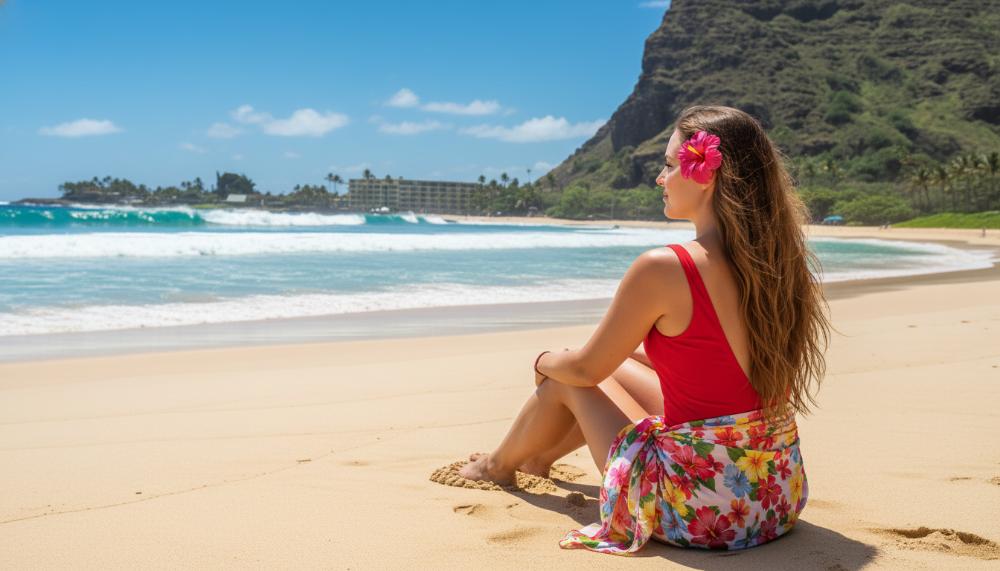
The wave at Makaha is powerful and produces serious swell in winter. It’s not for beginners during those months, and the sloping sand beach can create unexpected backwash that catches visitors off guard. In summer, conditions calm considerably, and the wide white sand beach becomes an easy place to spend the day. The Waianae Range rises steeply behind the town, making for one of the better mountain-and-ocean views on the island.
Spinner Dolphins Offshore
The bays and coves along the Waianae coast are frequented by spinner dolphin pods, particularly in the morning hours when they rest inshore after feeding overnight in open water. Makua Beach and several smaller coves north of Waianae town are known spots. Watching from the shoreline or an elevated point above is the right way to observe them.
Hawaii has strict regulations around interacting with spinner dolphins in the wild. Avoid swim tours that put you in the water with them, as these regularly violate federal marine mammal guidelines. Watching a pod spin and leap from the beach in early morning is a genuinely moving experience, and it requires nothing but patience and a good vantage point. Some mornings you’ll see nothing; others you’ll count twenty animals moving their way along the coast.
Practical Notes for Waianae
The Waianae coast requires a bit of preparation before you go. Vehicle break-ins are reported at some beach parks, particularly in the more remote northern sections. Don’t leave anything visible in your car. Farrington Highway, which runs along the coast north of Waianae town, is narrow and has a reputation for accidents, so drive carefully and give yourself plenty of time.
Key Waianae logistics at a glance:
- Drive time from Waikiki: Approximately 90 minutes with stops
- Access road: Farrington Highway via H-1 West
- Nearest hotel base: Ko Olina, about 20 minutes south of Waianae town
- Best swimming beach: Pokai Bay Beach Park
- Wildlife highlights: Spinner dolphins, sea turtles, and possible Hawaii monk seal sightings
- Food options: Very limited; stock up in the Ko Olina area before heading north
Ko Olina, at the southern end of the coast, is a comfortable base for exploring the area. The Four Seasons and Aulani Disney Resort are both located there, alongside calm artificial lagoons that are good for swimming. It’s about 20 minutes from Waianae town and offers facilities that the rest of the leeward coast does not. If you want to explore Waianae but prefer a more convenient home base, Ko Olina is the straightforward answer.
Waikiki, North Shore, and Waianae Side by Side
Here’s how the three coasts compare on the factors that matter most when planning your days:
| Feature | Waikiki | North Shore | Waianae |
|---|---|---|---|
| Best for | Beginners, families, first-timers | Daily at Laniakea, Waimea Bay in summer | Off-the-beaten-path seekers |
| Swimming conditions | Calm year-round | Summer only (May to September) | Varies; Pokai Bay is safest |
| Surf | Beginner-friendly year-round | Expert-only in winter; beginner spots in summer | Big waves at Makaha in winter |
| Hawaii turtles | Possible at Kuhio Beach groynes | Daily at Laniakea; Waimea Bay in summer | Present; less reliable spotting |
| Hawaii monk seal | Possible near Fort DeRussy | Occasional sightings at Turtle Bay | Occasional sightings |
| Snorkeling | Moderate near Kuhio groynes | Shark’s Cove (summer only) | Electric Beach nearby |
| Crowds | Very high | Moderate to high in summer | Low to very low |
| Drive from Waikiki | 0 minutes | 45 to 60 minutes | 60 to 90 minutes |
| Facilities | Excellent | Good near Haleiwa | Basic to minimal |
| Food options | Extensive | Giovanni’s Shrimp Truck, Haleiwa Town | Very limited; plan ahead |
How to Plan Your Oahu Beach Days
The simplest way to think about it: Waikiki is where you get comfortable with the ocean, the North Shore is where the ocean shows off, and Waianae is where you get the island mostly to yourself. Most visitors benefit from spending time on at least two of these coasts during a week-long trip.
If wildlife is the priority, build a North Shore day around summer. Start at Laniakea for turtles in the morning, move to Shark’s Cove for snorkeling late morning, grab a plate from Giovanni’s Shrimp Truck, and finish the afternoon at Sunset Beach. That’s one of the better beach days you can put together anywhere in Hawaii.
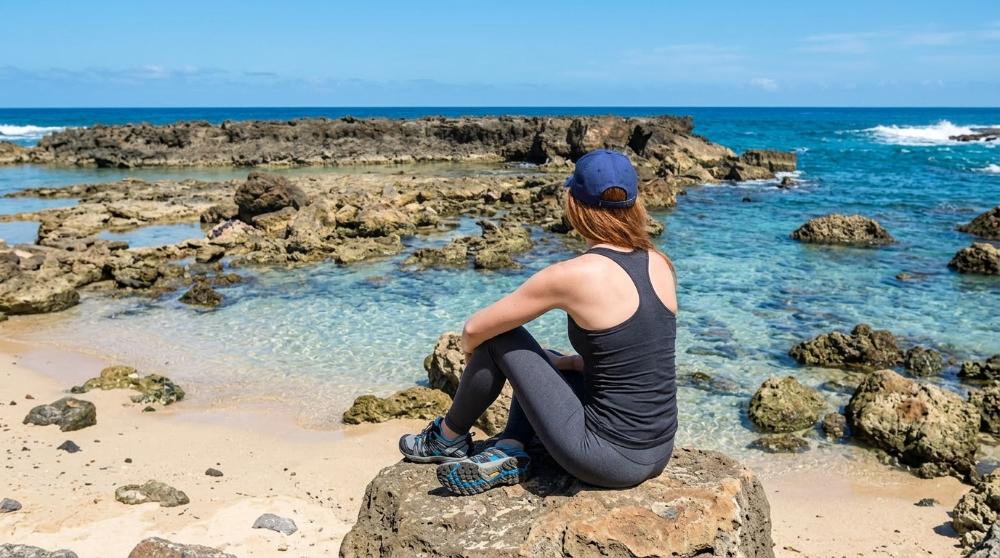
If surfing is the reason you’re coming, the North Shore in winter is the only destination worth planning around. Arrive early at Pipeline, watch from the beach, and consider timing your trip around the Pipe Masters or the Eddie Aikau invitational. Both competitions are free to watch from the beach and take place on some of the most dramatic waves in the world.
For a quieter day with a sense of real discovery, drive the Waianae coast on a weekday. Stop at Pokai Bay first for a swim, continue north to Makaha, and watch the sunset from the beach with the mountains behind you. It takes longer to get there, but it feels like a place rather than a destination. That’s a distinction worth chasing.
Oahu’s 3 Coasts Are Worth Knowing
Waikiki will always be the starting point. It works, it delivers, and there’s no shame in spending most of your trip there. But even a single day on the North Shore or the Waianae coast changes how you understand the island.
The Hawaii beach you remember most might not be the famous one. It might be a quiet bay on the west side where you watched dolphins from a rocky point in the early morning, or a stretch of North Shore sand where a turtle hauled itself out of the water ten feet in front of you and went to sleep in the sun.
Those moments don’t require a resort chair or a reservation. They just require getting in the car and driving a little further than most people bother to go. And if you find yourself heading up the windward coast, the quiet stretch around Waikane has its own kind of pull: lush valleys, calm bay water, and the real-life filming locations from 50 First Dates tucked along Kamehameha Highway for anyone who knows where to look.